 Global
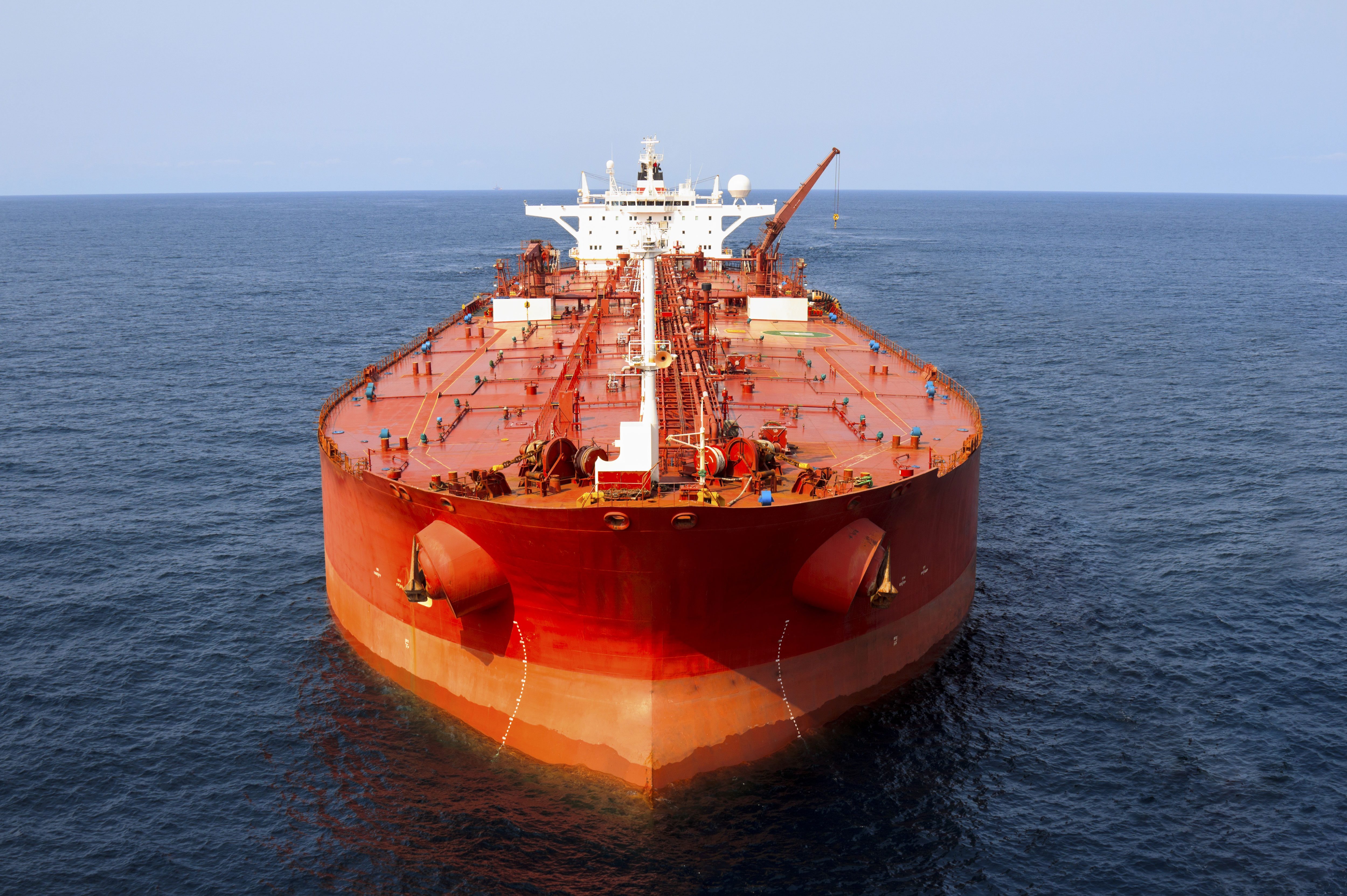
The US and Iran traded direct military fire in the Strait of Hormuz over the weekend, marking a sharp escalation that pushed Brent crude to a six-week high of $97.19. This geopolitical shock arrives alongside a robust August jobs report, forcing investors to weigh energy supply risks against potential Federal Reserve rate hikes.
September 7, 2026
 Global
Moscow is signaling a potential return to three-way negotiations, as US envoys Steve Witkoff and Jared Kushner conclude a shuttle diplomacy tour between Moscow and Kyiv. While the Kremlin remains open to a trilateral format, officials insist that any concrete timeline or venue for formal discussions remains non-existent.
September 7, 2026
 Global
Germany has formally requested that the International Court of Justice dismiss a case brought by Nicaragua accusing Berlin of facilitating genocide through its weapons exports to Israel. The legal challenge centers on whether third-party states bear responsibility for the actions of their military partners under the 1948 Genocide Convention.
September 7, 2026
 Global
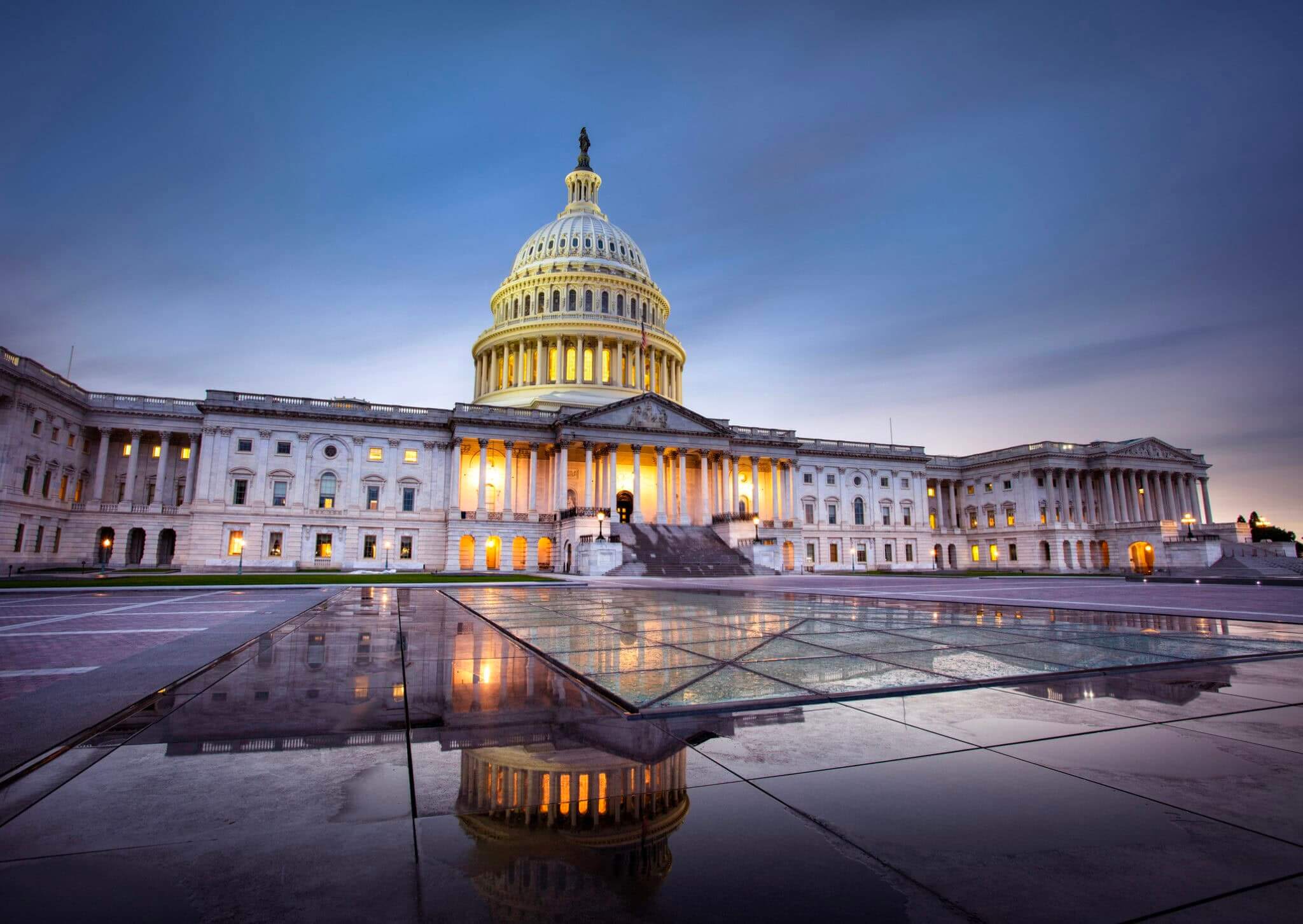
Control of the US Senate hangs in the balance this November, with Democrats needing a net gain of four seats to flip the chamber. While 35 seats are on the ballot, political analysts have isolated nine battleground contests that will ultimately determine the legislative trajectory of the next Congress.
September 7, 2026
 Global
Volker Türk, the UN High Commissioner for Human Rights, has issued a stark warning that rapid advancements in artificial intelligence could soon surpass human control. Speaking in Geneva, he demanded immediate international consensus on binding safety standards to prevent these technologies from becoming an existential threat to global security.
September 7, 2026
 Global
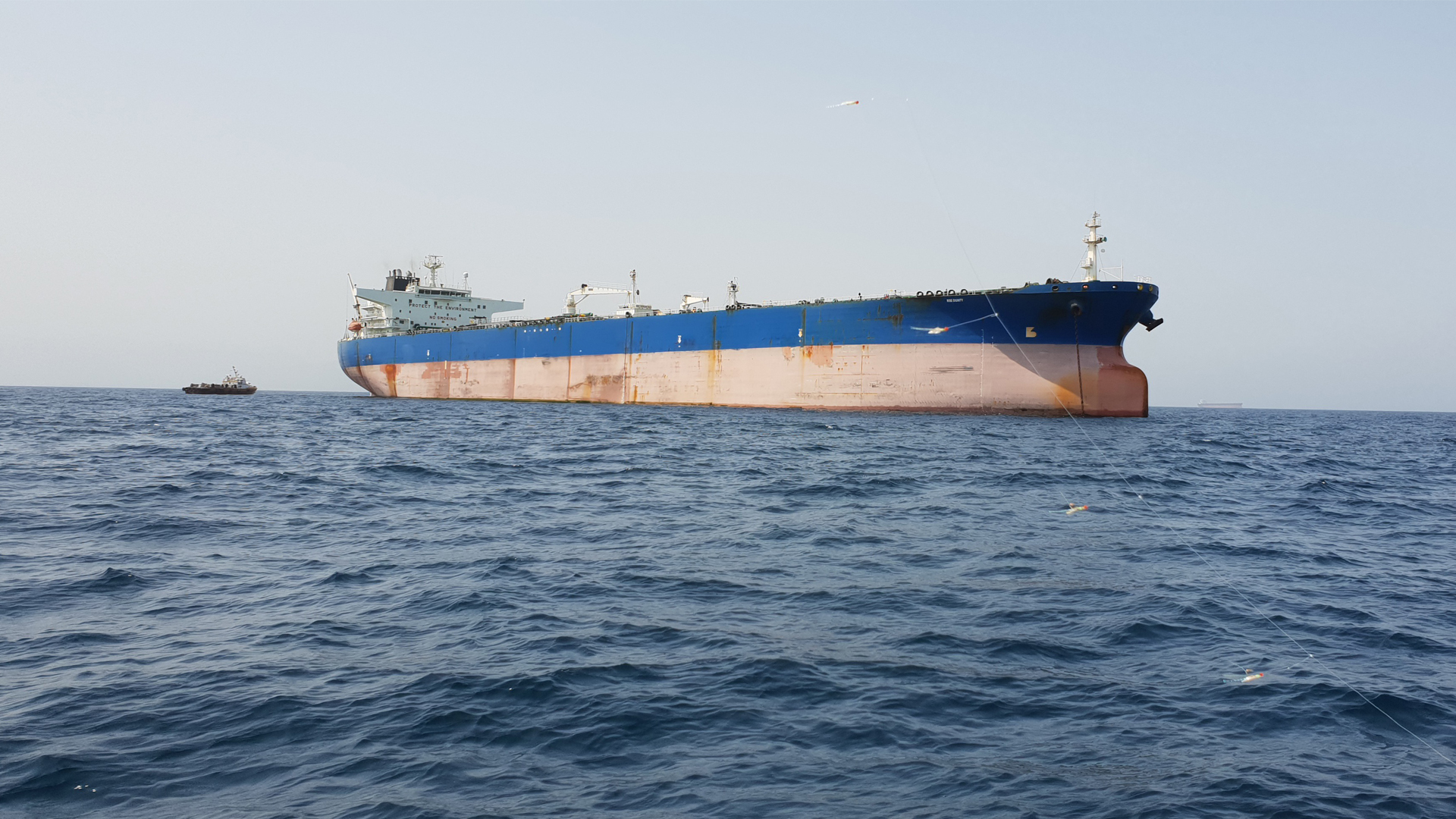
Tehran plans to establish a restricted zone and a new shipping corridor through the Strait of Hormuz, escalating tensions in a vital energy artery already reeling from U.S. military pressure. The move follows recent skirmishes between American and Iranian forces that have pushed Brent crude prices beyond $97 a barrel.
September 7, 2026
 Global
A freshly completed road bridge spanning the Tumen River now links Russia and North Korea, cementing a physical connection that complements the long-standing rail crossing nearby. This infrastructure project, launched following Vladimir Putin’s 2024 visit to Pyongyang, signals a shift toward more permanent, institutionalized ties between the two nations.
September 7, 2026
 Global
Nearly a year after President Donald Trump hailed the October 2025 Gaza ceasefire as a historic breakthrough, the agreement has failed to halt the violence. Instead, the conflict has been rebranded, with US diplomatic and military support providing a functional umbrella for ongoing Israeli strikes that claim hundreds of civilian lives.
September 7, 2026
 Global
China’s military is rapidly pivoting from basic robotics demonstrations to serious battlefield preparation, integrating humanoid machines into tactical research. While currently limited by energy and autonomy constraints, the People’s Liberation Army is actively building the infrastructure and training pipelines required to turn these bipedal systems into viable urban combat tools.
September 7, 2026
 Global
When a Treasury secretary invokes the Normandy landings to characterize a sanctions package, the rhetoric has clearly outpaced the stated policy. Scott Bessent’s recent essay proposes an economic endgame for Iran that pushes beyond nuclear containment, effectively signaling a regime-change strategy disguised as financial pressure.
September 7, 2026
 Global
Aleksandar Vučić’s recent threat to divert the Ibar River is less an engineering project than a calculated geopolitical maneuver. By weaponizing uncertainty, the Serbian president aims to force the European Union to bundle his stalled accession bid with the accelerating membership tracks of Ukraine and Moldova, while simultaneously distracting domestic protesters.
September 7, 2026
 Global
China’s recent endorsement of Egypt’s water security rights marks a calculated shift in the long-standing Grand Ethiopian Renaissance Dam dispute. By formally acknowledging Cairo’s survival concerns, Beijing has signaled that while it remains a critical partner to Addis Ababa, its diplomatic support for Ethiopia’s infrastructure ambitions is no longer unconditional.
September 7, 2026
 Global
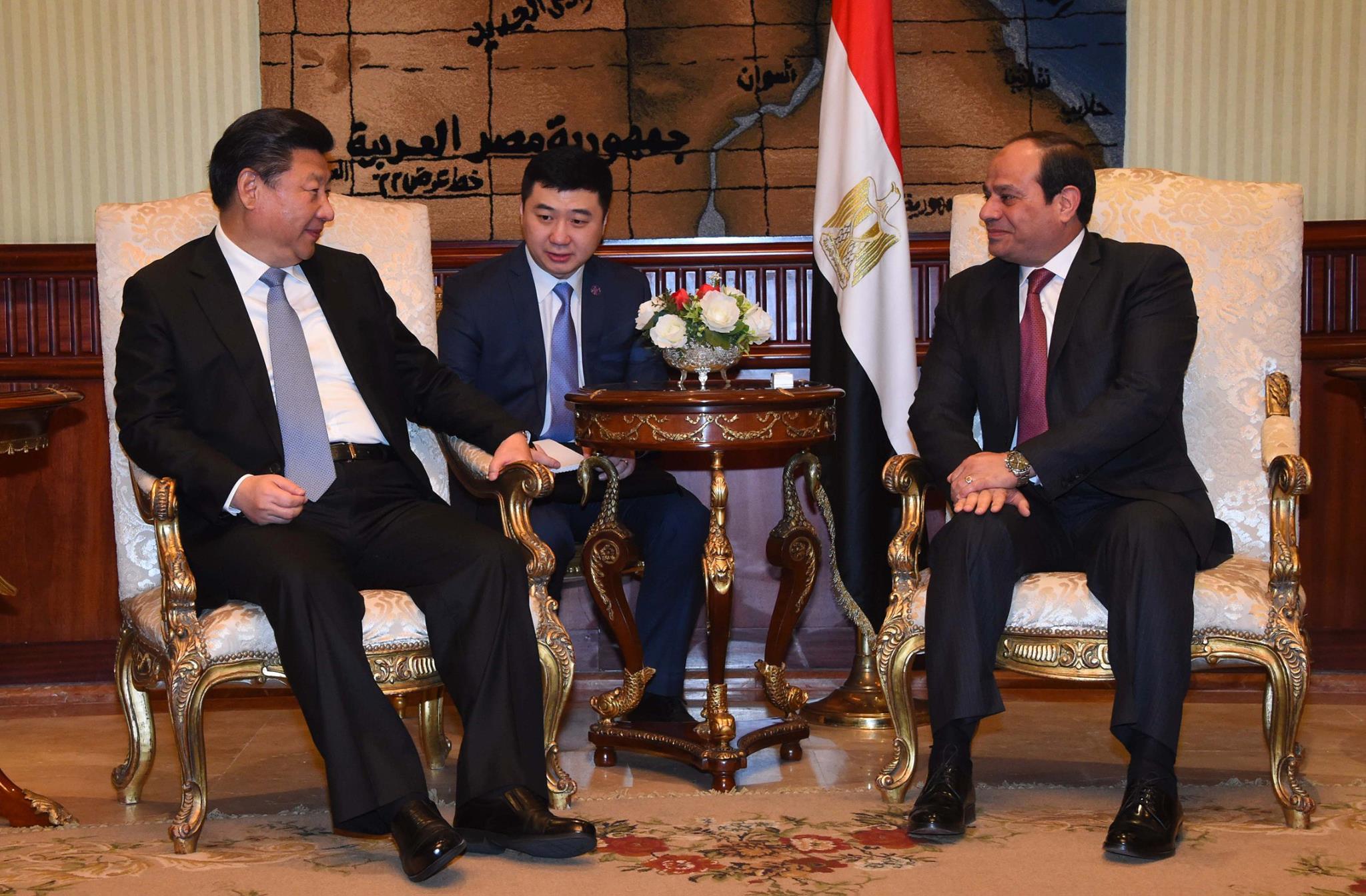
The strengthening of ties between Cairo and Beijing has triggered alarm in Washington and Tel Aviv, signaling a departure from the traditional unipolar order in the Middle East. As Egypt diversifies its strategic partnerships, the monopoly held by Western powers over the nation's economic and military decision-making faces unprecedented erosion.
September 6, 2026
 Global
Liam and Noel Gallagher swapped their infamous decade-long feud for a water taxi ride through Venice, arriving at the film festival to debut a documentary chronicling their volatile journey back to the stage. Their presence at the festival serves as a high-profile coda to the band’s global reunion tour.
September 6, 2026
GlobalChina sits at a unique geopolitical crossroads, holding the financial keys to Ethiopia’s infrastructure while managing a deep strategic partnership with Egypt. As tensions over the Grand Ethiopian Renaissance Dam (GERD) simmer, Beijing is increasingly forced to move beyond its traditional policy of non-interference to protect its regional investments.
September 6, 2026
GlobalThe Red Sea no longer functions as a geographic barrier; it has become a high-stakes corridor linking Middle Eastern power struggles to the Horn of Africa. As Saudi Arabia, the UAE, Egypt, and Türkiye expand their footprints, the region’s ports and trade routes are increasingly shaping regional security architectures.
September 6, 2026
 Global
Under the leadership of 35-year-old Ulrich Siegmund, the Alternative for Germany party stands at the precipice of a historic electoral breakthrough in Saxony-Anhalt. As 1.7 million voters head to the polls, the outcome threatens to shatter the established firewall maintained by mainstream parties against the far-right since the postwar era.
September 6, 2026
 Global
The United States and Saudi Arabia have signed a civilian nuclear cooperation agreement, signaling a shift in how Riyadh manages its foreign policy. Instead of linking every diplomatic breakthrough to Israeli normalization, Saudi leadership is increasingly decoupling individual interests to maintain strategic autonomy while keeping Washington close.
September 6, 2026
 Global
Modern military alliances often promise parity, yet the distribution of high-end defense technology reveals a rigid hierarchy. While Washington frames its arms transfers through the lens of collective security, the reality reflects a calculated system where strategic interests—not formal treaty status—dictate which nations gain access to elite capabilities.
September 6, 2026
 Global
Geography once tethered Central Asia to Russia, but the fallout from the war in Ukraine is forcing a pivot. As regional capitals scramble to secure trade routes and investment, they are trading a singular dependency on Moscow for a complex, multi-polar reliance on China, Europe, and Turkey.
September 6, 2026
 Global
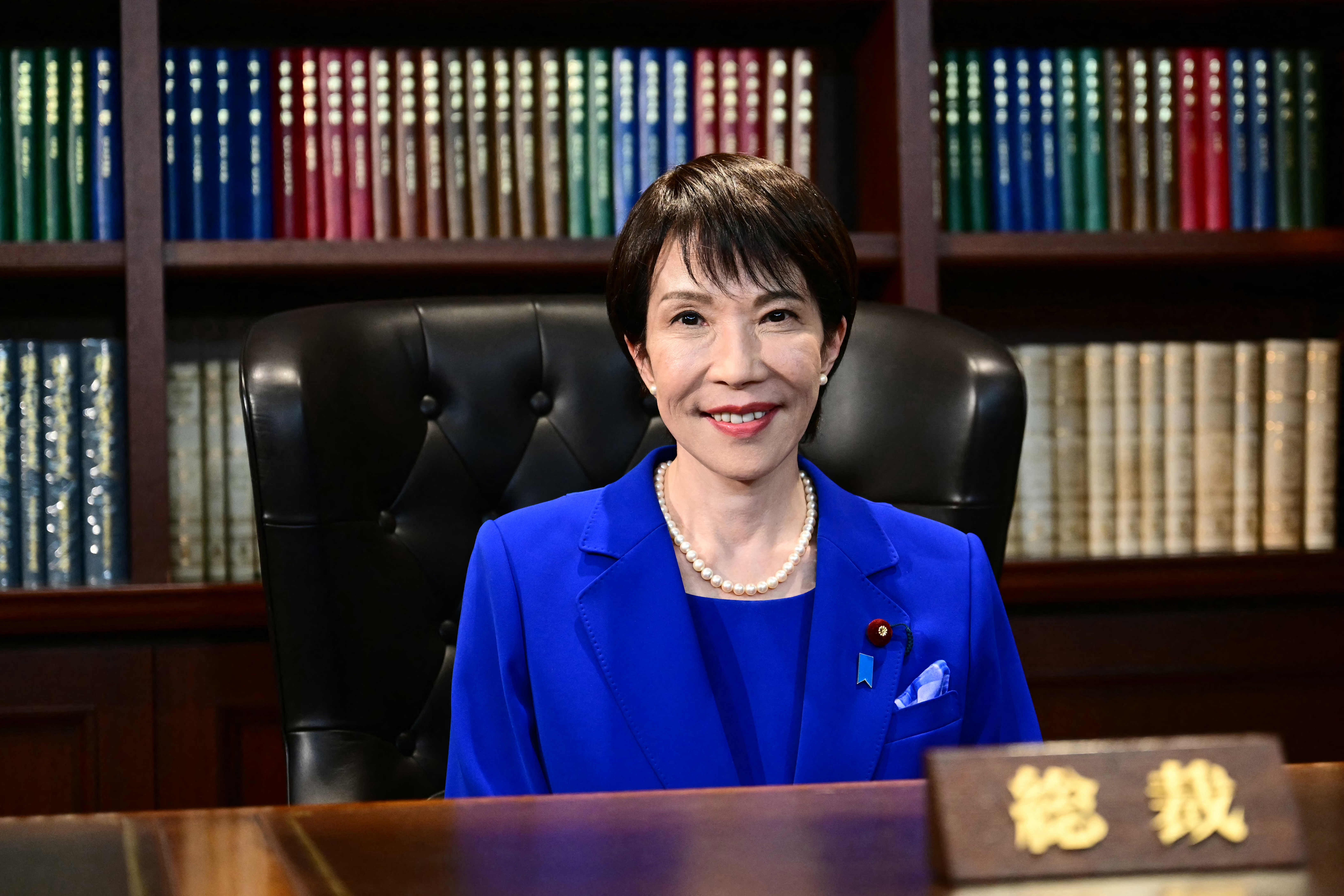
Japan is currently executing two distinct China policies: holding a firm line on Taiwan deterrence while simultaneously deploying a cross-party parliamentary delegation to Beijing to manage economic fallout. Far from reflecting political confusion, this deliberate, low-cost model allows Tokyo to maintain security commitments without sacrificing critical trade channels.
September 6, 2026
 Global
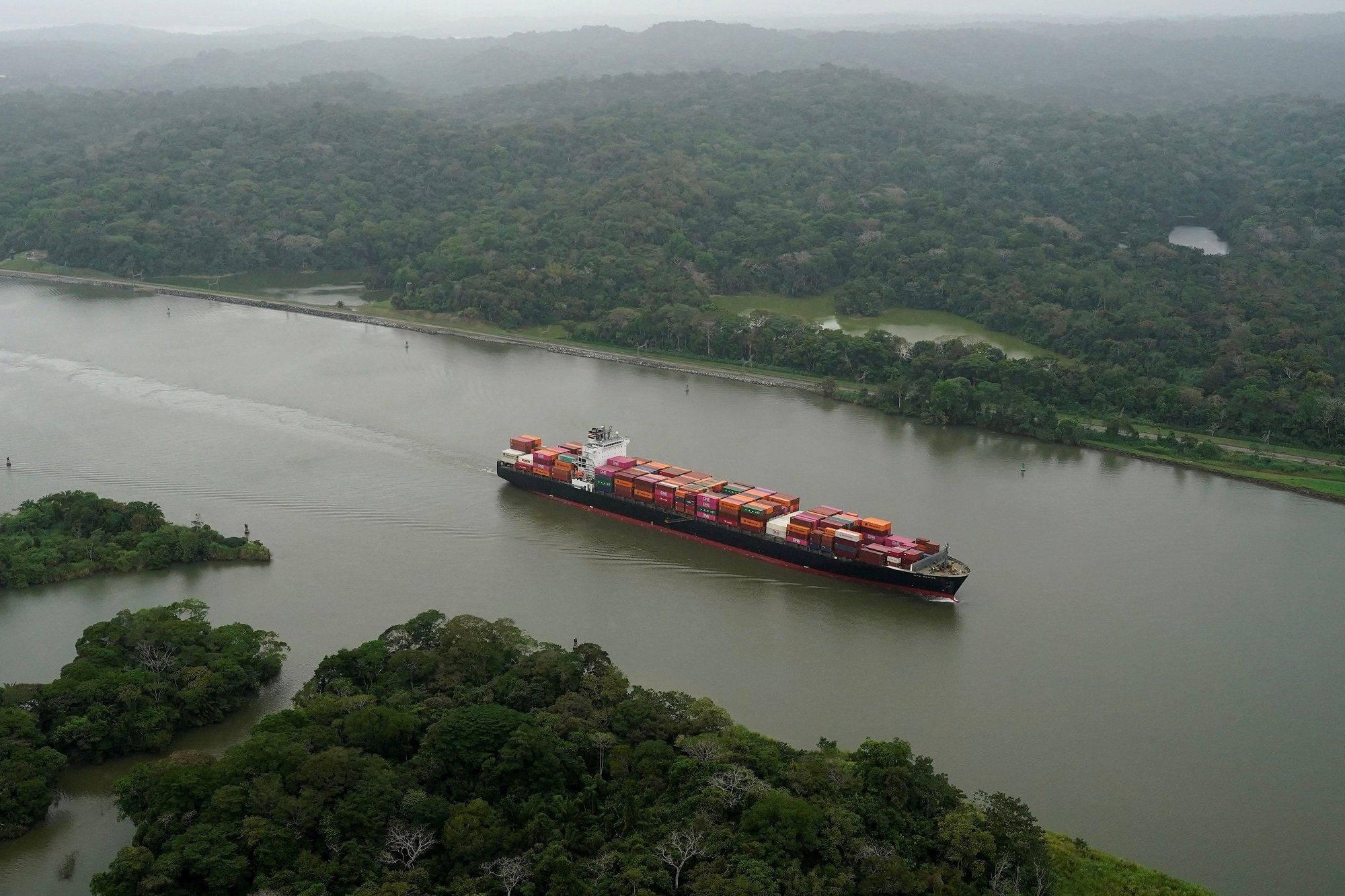
For centuries, the Atlantic and Pacific were divided by the sheer scale of the Americas, a barrier first navigated via the perilous Cape Horn and later breached by the Panama Canal. Today, that singular reliance on maritime chokepoints has become a systemic vulnerability in an era defined by geopolitical and climate-driven instability.
September 6, 2026
 Global
Solitude defines the rhythm of my days, a fragile state where the boundaries between memory and creative impulse blur. In the quiet of my room, I navigate the lingering ghosts of past relationships and the heavy, physical toll of chronic fatigue, finding my only true anchor in the act of writing.
September 6, 2026
 Global
Following President Xi Jinping’s September 2026 visit to Cairo, Egypt is aggressively expanding its military ties with China. By integrating advanced fighter jets and localizing defense manufacturing, Cairo is effectively circumventing long-standing Western restrictions, prompting deep alarm in Tel Aviv over the erosion of Israel’s regional qualitative military edge.
September 5, 2026
 Global
Gifted children often navigate a world that views their extraordinary awareness as a liability rather than an asset. From early social isolation to the crushing weight of unmet potential, these individuals frequently grapple with fractured identities, leaving them vulnerable to mental health crises and systemic neglect.
September 5, 2026
 Global
Surviving a military mutiny has become the primary engine of entrenchment for Sahelian juntas, rather than a sign of their fragility. In Niger, Mali, and Burkina Faso, failed coups serve as a recurring catalyst for purging internal rivals and deepening a reliance on Russia’s Africa Corps to maintain power.
September 5, 2026
 Global
While official Chinese CPI data suggests a period of sluggish consumption and deflationary pressure, many residents face the opposite reality. A phenomenon known as structural substitution inflation explains this discrepancy, as the disappearance of budget-friendly alternatives forces consumers into higher-cost technological and service systems that official metrics fail to capture.
September 5, 2026
 Global
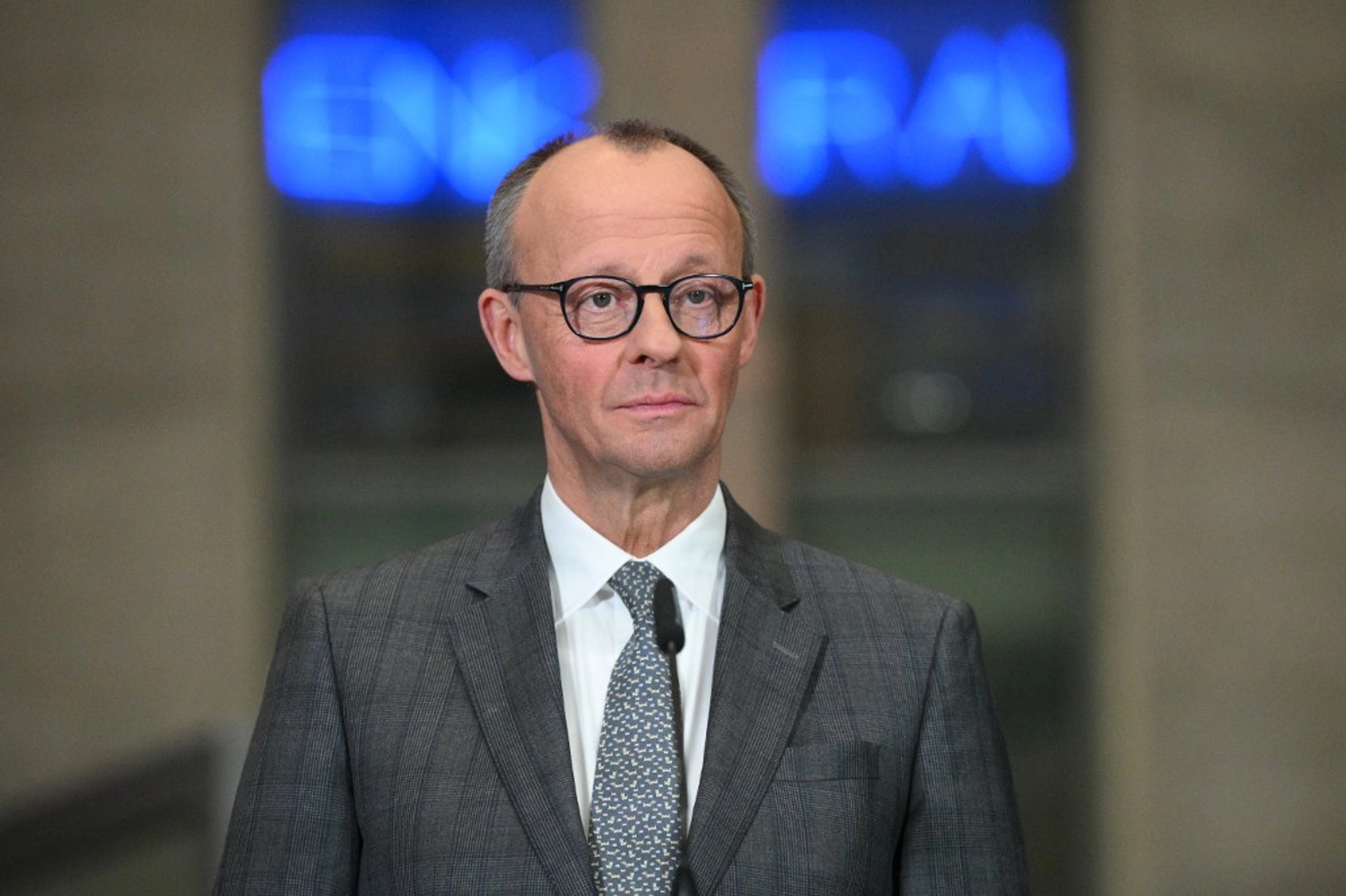
As European nations scramble to meet the ambitious NATO target of 5 percent of GDP for defense by 2035, governments are forced to reconcile surging military costs with strained social budgets. The resulting fiscal choices range from transparent welfare austerity to creative accounting, each carrying unique risks for national stability.
September 5, 2026
 Global
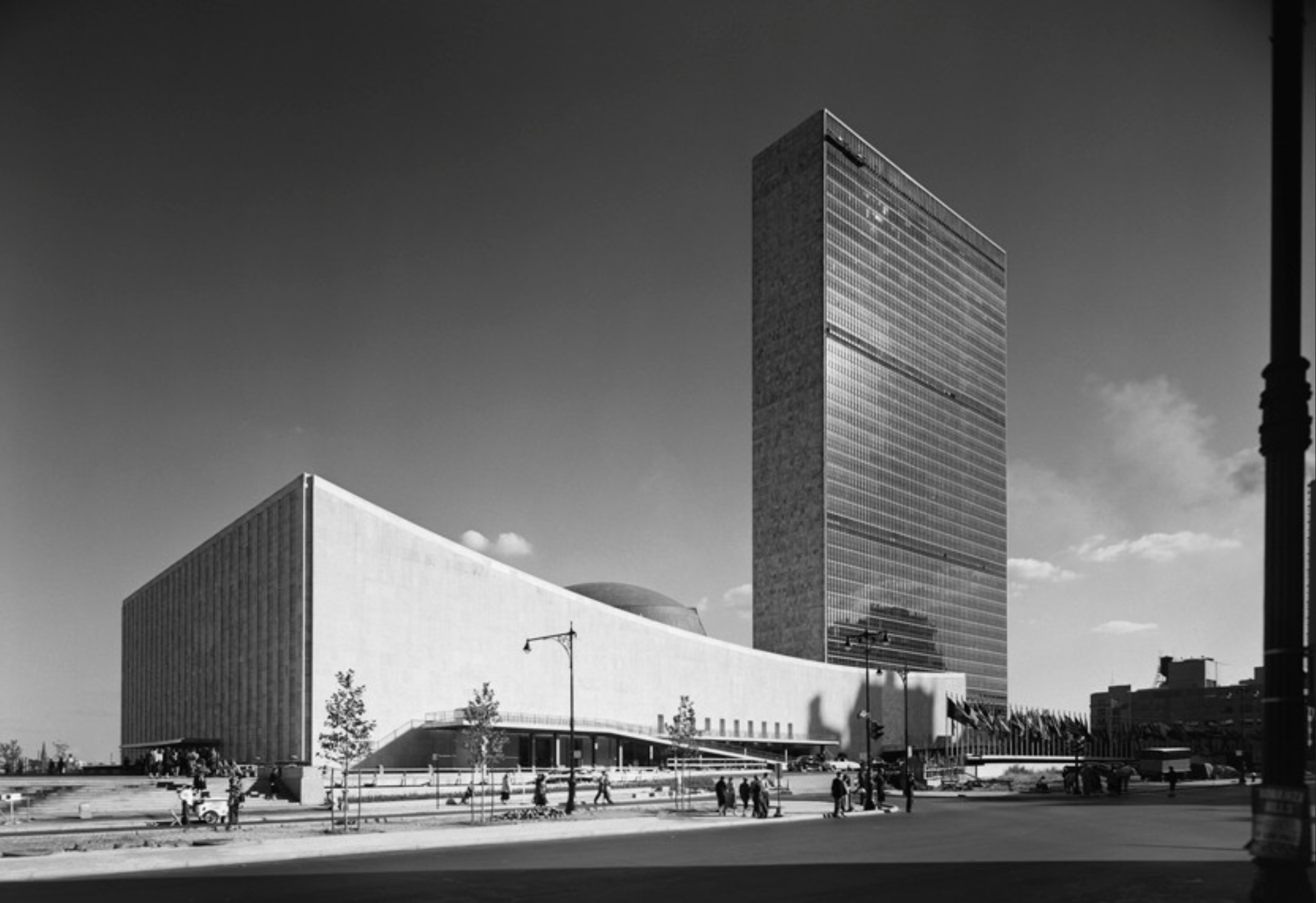
As António Guterres prepares to step down in December 2026, the race to replace him is being treated as a bureaucratic formality. In reality, the selection process is a high-stakes geopolitical stress test, unfolding at a moment when the institution’s foundational pillars are being fundamentally dismantled by its most powerful members.
September 5, 2026
 Global
The collapse of the Gaza ceasefire is rarely a matter of battlefield failure, but rather a calculation of domestic survival. Benjamin Netanyahu remains tethered to a coalition that views a durable peace as a greater threat to his tenure than the war itself, rendering international diplomatic efforts largely performative.
September 5, 2026