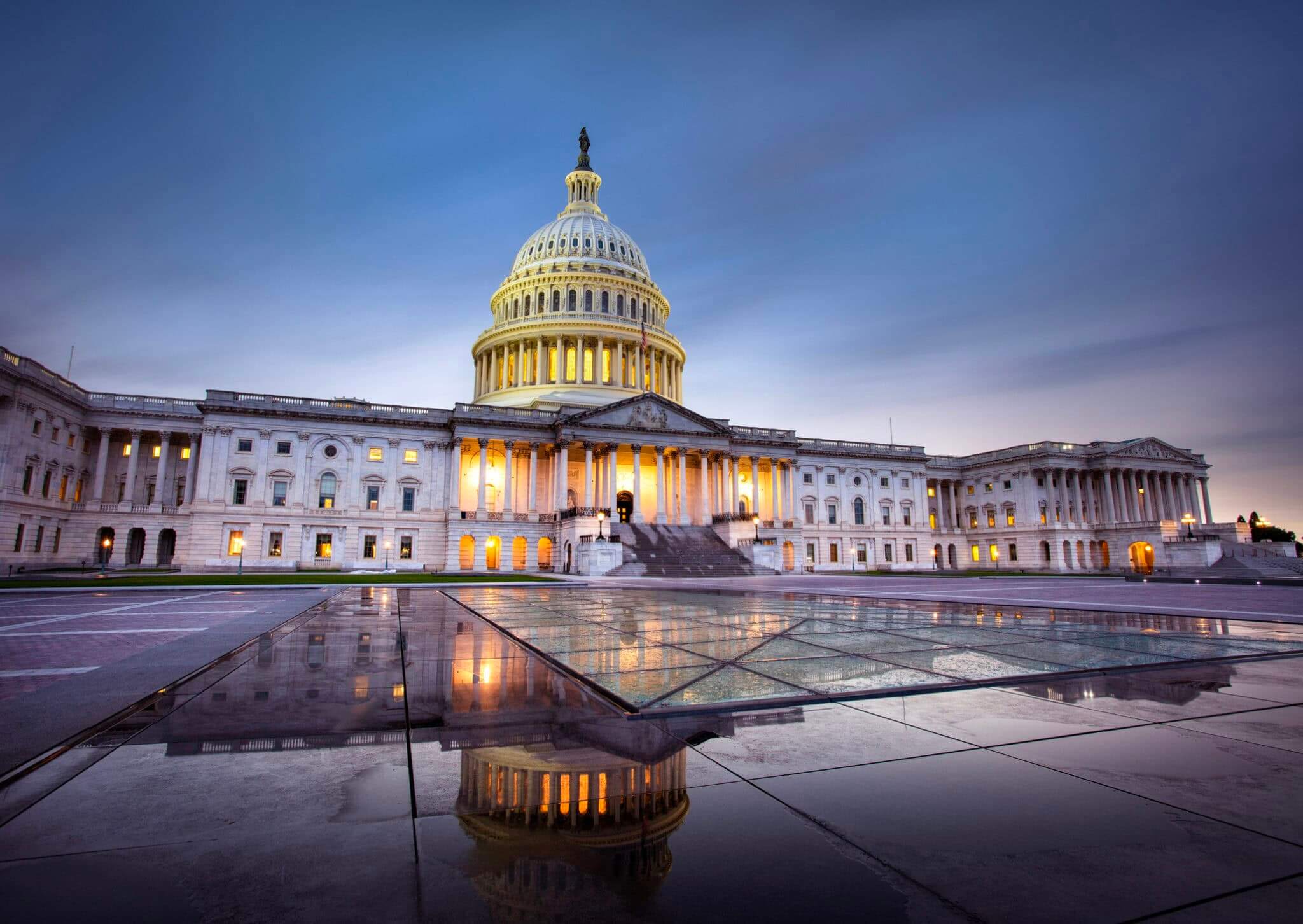
The path to a majority is fraught with geographic and ideological volatility. In states like Texas and Iowa—long considered Republican strongholds—incumbent vulnerabilities and shifting local economic concerns have turned once-predictable contests into toss-ups. Meanwhile, Democrats face the dual challenge of defending open seats in Michigan and New Hampshire while attempting to capitalize on Republican fractures in North Carolina and Ohio.
Candidate quality and alignment with the national political environment remain the primary variables. In Alaska, the implementation of ranked-choice voting adds a layer of unpredictability to the face-off between Senator Dan Sullivan and challenger Mary Peltola. Simultaneously, in Georgia, Senator Jon Ossoff’s reelection bid against Mike Collins serves as a litmus test for the state’s status as a persistent swing state. These elections are not merely local referendums; they function as a check on the influence of the Trump administration, dictating the pace of judicial confirmations and the viability of future legislative agendas. As national party organizations funnel resources into these nine states, the ability of candidates to bridge the divide between their party’s base and moderate, independent voters will define the final makeup of the Senate.



Comments (0)
No comments yet. Be the first!