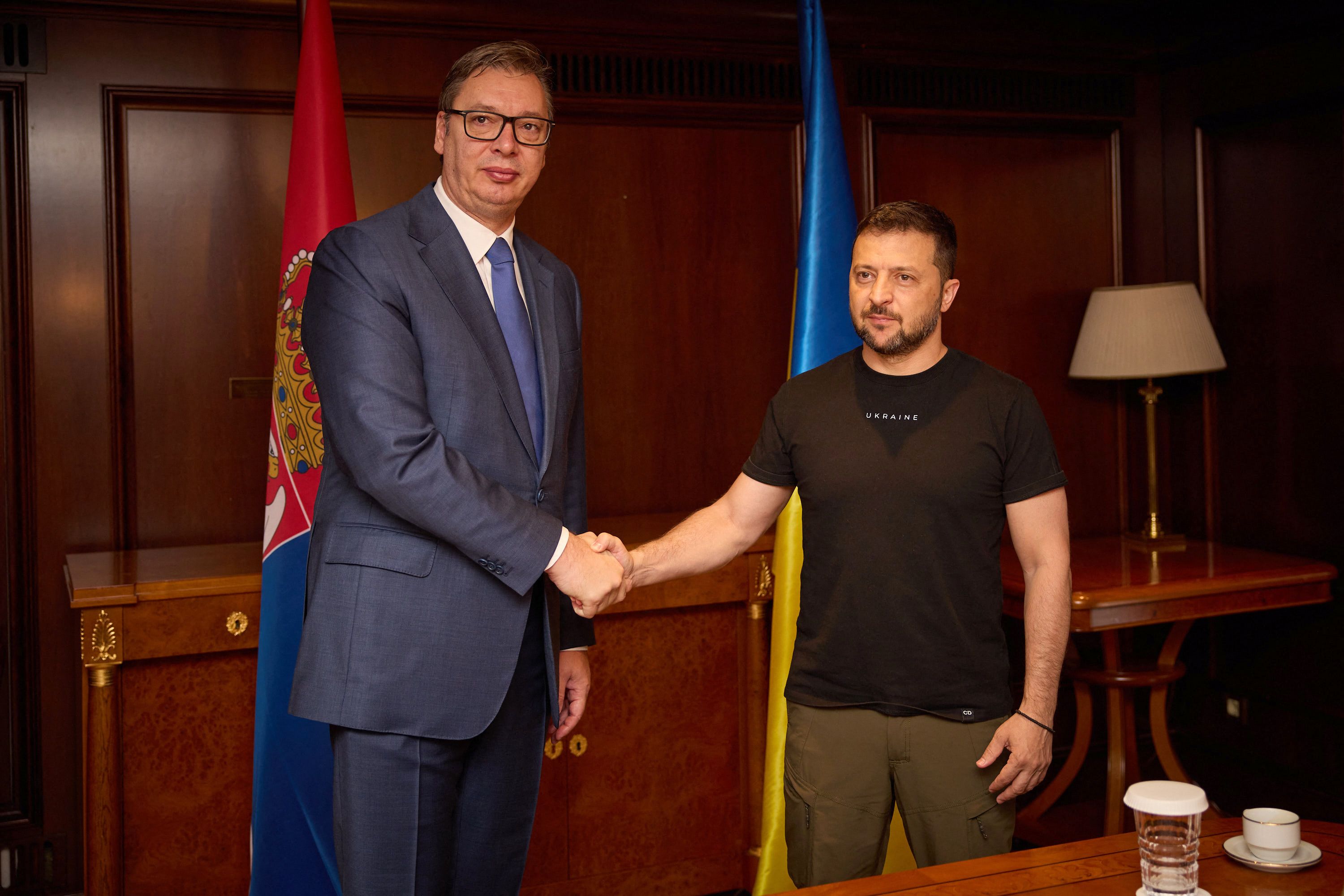
The Ibar is a transboundary river vital to northern Kosovo, and diverting it would require a level of engineering—such as a 30-kilometer tunnel or massive riverbed elevation—that experts consider near-impossible. Yet, the lack of feasibility is exactly the point. By framing the river as a bargaining chip, Vučić has successfully forced Pristina, Brussels, and NATO’s KFOR mission to treat a hypothetical threat as a legitimate security crisis. This move arrives at a critical juncture: Serbia’s EU candidacy has stagnated since 2021 due to rule-of-law concerns and a refusal to sanction Russia, while Ukraine and Moldova have rapidly surged ahead in the readiness rankings.
For Vučić, the timing serves three distinct goals. First, he seeks to pressure sympathetic EU member states—including Italy, Austria, and Greece—to formally link Serbia’s frozen Cluster 3 negotiations to the progress of Kyiv’s accession. Second, he gains a potent diversion from domestic unrest, as the nationalist posturing helps reframe the national conversation away from corruption and a recent infrastructure collapse in Belgrade. Finally, he exploits Brussels' limited diplomatic bandwidth. With the European Commission already managing complex negotiations over Russian assets and Ukraine’s fast-track integration, a manufactured conflict in the Balkans creates a nuisance that the bloc cannot afford to ignore indefinitely. Whether this gamble succeeds depends on the upcoming autumn enlargement report: if it signals a move toward coupling Serbia’s interests with those of Ukraine, Vučić will have proven that brinkmanship remains a more effective tool than technocratic reform.

Comments (0)
No comments yet. Be the first!