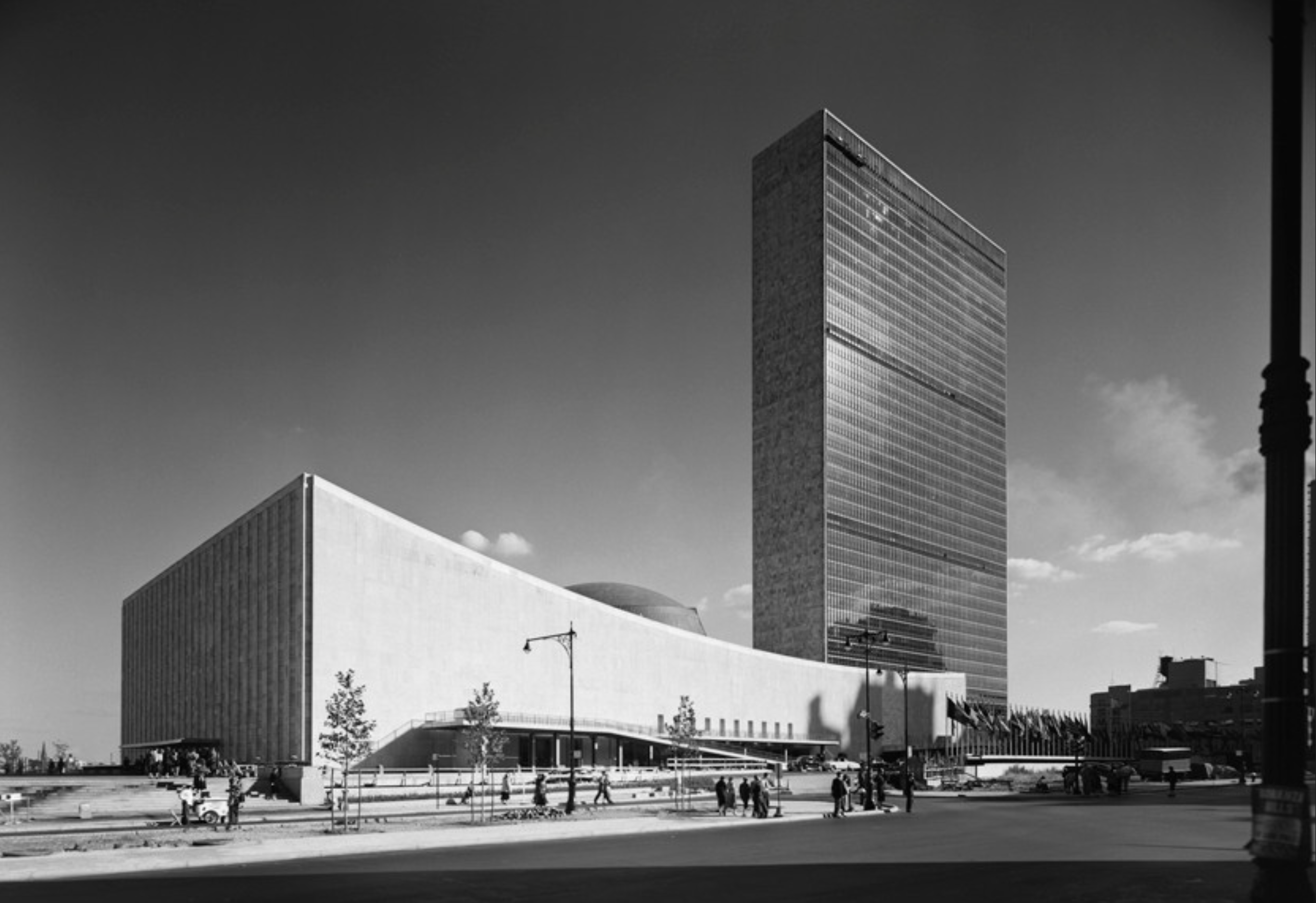
The current succession cycle is defined by a lack of consensus among the Security Council’s permanent members. While eight candidates from Latin America, the Caribbean, and Africa remain in the running, the straw polls reveal deep indecision. Candidates like Guyana’s Carolyn Rodrigues-Birkett and Costa Rica’s Rebeca Grynspan have seen their support fluctuate, while former Chilean president Michelle Bachelet has faced a sharp decline in backing. Unlike previous transitions, no clear favorite has emerged to command the durable coalition typically required for the role, signaling that the next leader will likely be a compromise choice with limited political capital.
This leadership vacuum is exacerbated by a historic shift in American engagement. The current administration has adopted an "à la carte" approach to the United Nations, suspending support for critical entities like the World Health Organization and the Human Rights Council while formalizing withdrawal from dozens of international frameworks. With the U.S. no longer acting as a reliable financial or diplomatic anchor, the incoming Secretary-General will be forced to navigate a precarious, transactional landscape. Success will require the ability to secure funding outside of traditional channels and the political dexterity to manage crises where permanent members are active antagonists rather than neutral arbiters. The outcome of this contest will ultimately determine whether the UN evolves into a multipolar forum or continues its slide toward institutional obsolescence.


Comments (0)
No comments yet. Be the first!