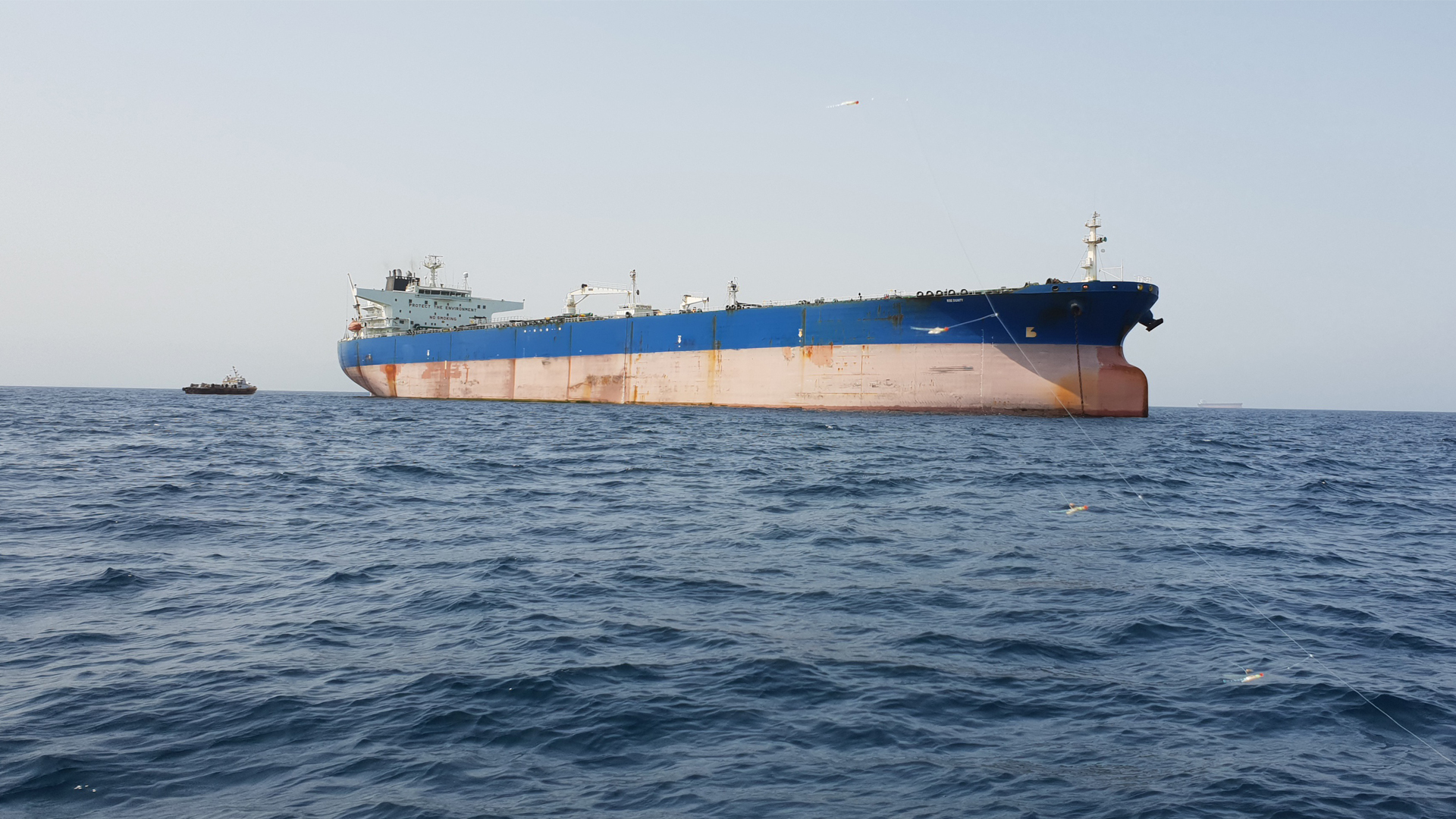
Mohsen Rezaei, secretary of Iran’s Supreme National Security Council, announced that the new restricted zone will overlap with areas affected by the U.S. blockade. Any vessel entering these waters faces potential sanctions, though the practical enforcement of this system remains unclear. Concurrent with this, Iran is finalizing maps for an international shipping route spanning Iranian and Omani waters, asserting its role as the primary manager of the transit corridor.
The military situation has intensified following a relative lull in August. U.S. forces recently struck three Iranian oil tankers, including a target near the critical Kharg Island export hub, while the Islamic Revolutionary Guard Corps has engaged U.S. warships directly. Shipping activity has plummeted to an average of 10 commodity vessels per day—the lowest volume since May—as U.S. Central Command continues to board, disable, or redirect commercial traffic to enforce its sanctions regime.
Inside Iran, the economic toll of the conflict is mounting. Parliament Speaker Mohammad Baqer Qalibaf and Economy Minister Ali Madanizadeh acknowledge significant domestic challenges, including high inflation and currency volatility, yet maintain that the state will not bow to external pressure. Kharg Island, which previously handled 90% of Iranian crude exports, has reportedly sustained 550 strikes in recent months, yet it remains a central, functioning target in the ongoing blockade.

Comments (0)
No comments yet. Be the first!