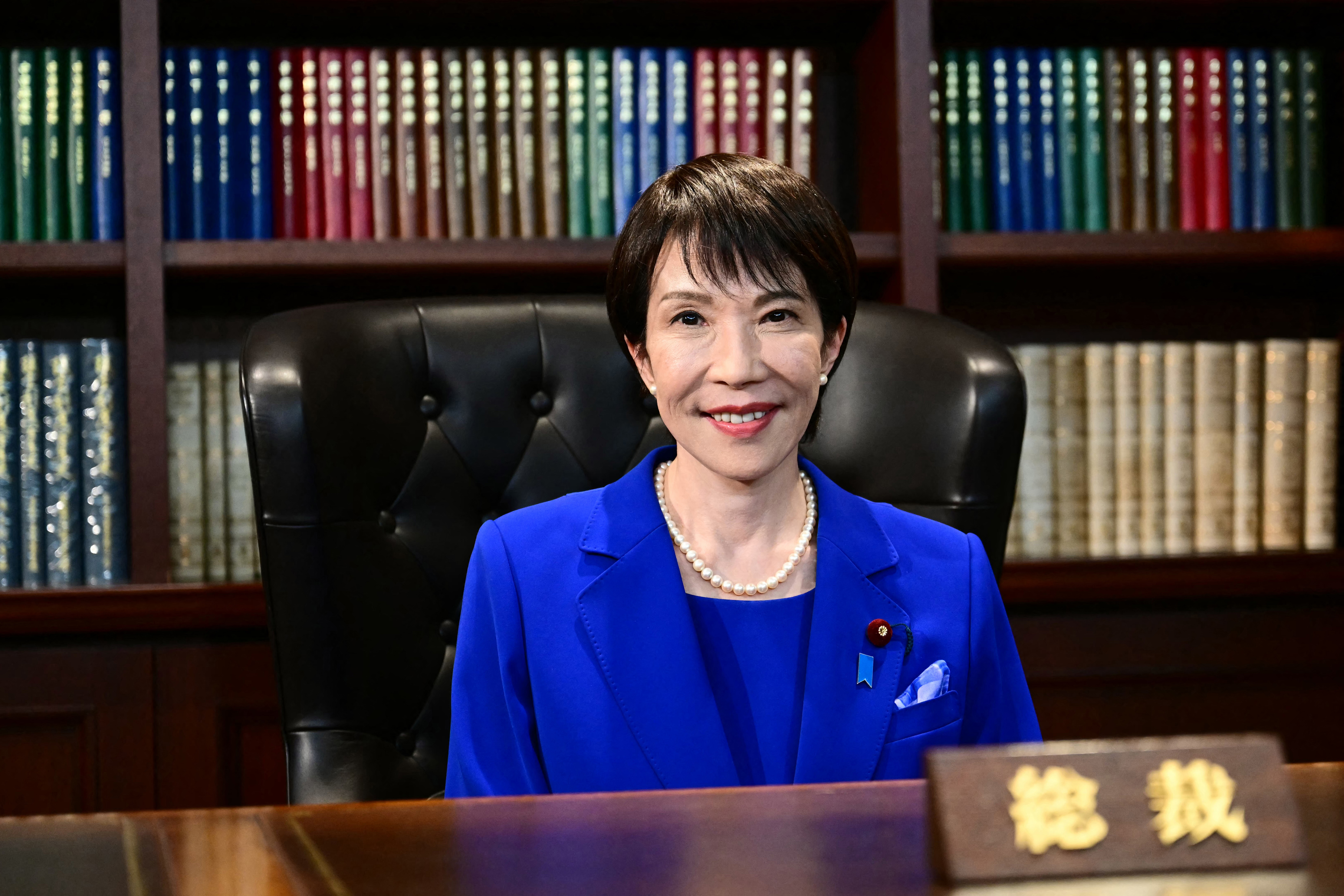
The strategy surfaced in August 2026, when Japanese lawmakers traveled to Beijing despite the ongoing diplomatic freeze triggered by Prime Minister Sanae Takaichi’s November 2025 declaration. Takaichi framed a potential Chinese move on Taiwan as a survival-threatening situation for Japan, a stance that invited Beijing’s economic retaliation—including restrictions on rare earths and seafood imports. By keeping these tracks separate, Tokyo ensures that the government retains its security posture while backbenchers and opposition figures, such as Gaku Hashimoto and Shinichi Isa, maintain a pressure valve for trade and diplomatic dialogue.
This division of labor serves as a pragmatic workaround for the unpredictability of Washington’s foreign policy. By operating a semi-official backchannel, Tokyo avoids the need for a formal, politically costly climbdown on Taiwan. Beijing, for its part, accepts this arrangement as a convenient method to calibrate pressure without needing to fully sever ties. This model is now being mirrored by other U.S. allies, including South Korea, Australia, and the Philippines, all of whom are juggling hard-line security alignments with Washington alongside independent efforts to stabilize their respective economic relationships with China. If the parliamentary channel continues to yield even incremental economic concessions, such as eased licensing for critical minerals, it will confirm this dual-track approach as the standard operating procedure for nations navigating the U.S.-China divide.


Comments (0)
No comments yet. Be the first!