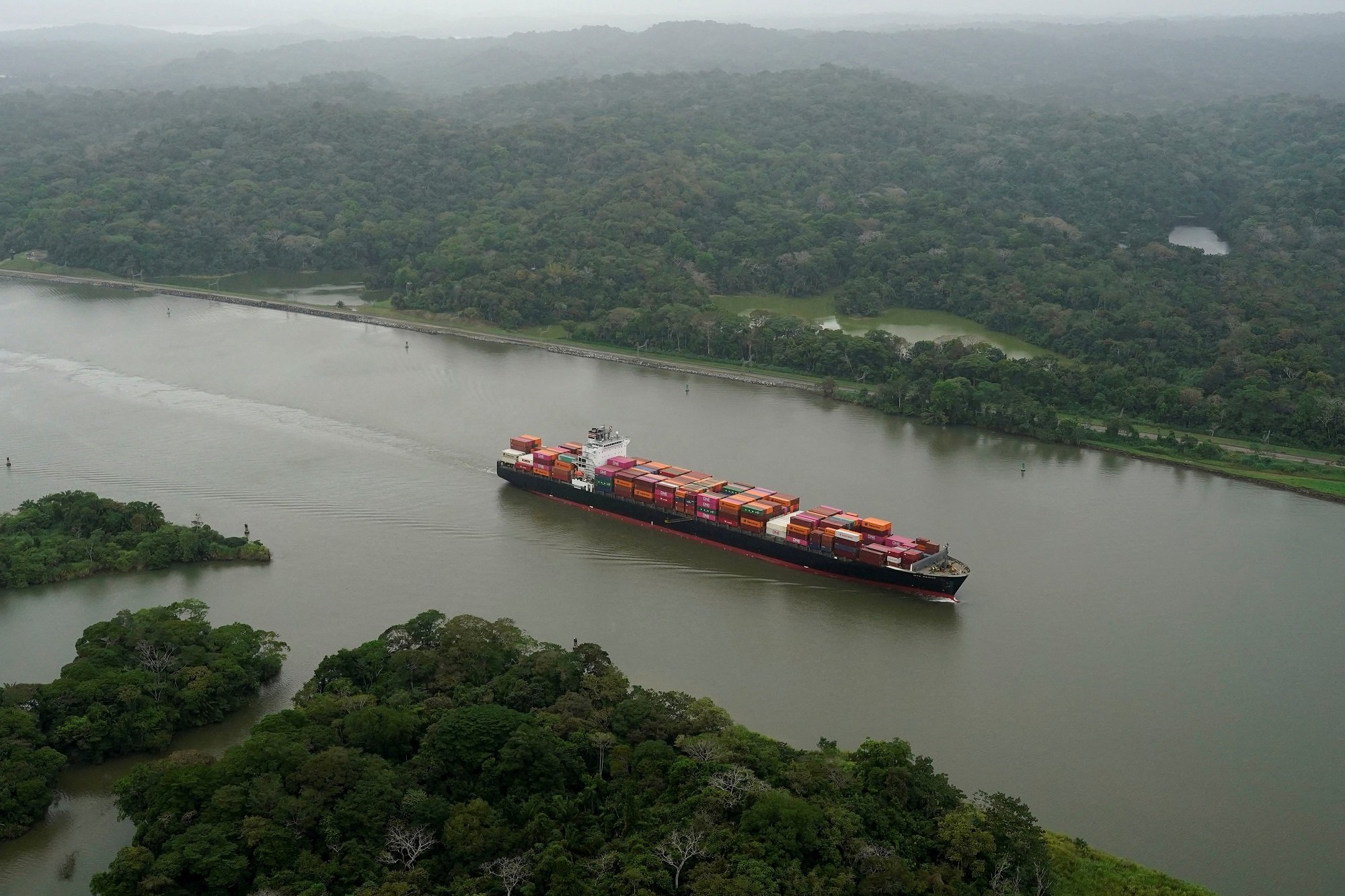
The Panama Canal has long served as the definitive solution to a geographic divide, yet its success highlights a dangerous paradox: concentration creates efficiency, but it also creates a single point of failure. Recent disruptions—from the war in Eastern Europe to insecurity in the Red Sea—reveal that when established corridors buckle, the global supply chain has few alternatives. The lesson is that resilience can no longer be defined by the capacity of a single route, but by the redundancy of an interconnected system.
Central America is uniquely positioned to lead this shift toward a multimodal approach. Rather than viewing projects like a potential Nicaraguan canal as mere competitors to Panama, planners should treat them as components of an integrated ecosystem. By combining maritime, rail, and road infrastructure, the region could facilitate a 'speedway' of transport that allows cargo to shift modes based on real-time conditions. This strategy, championed by the GAFG/GMGF Connectivity Doctrine, prioritizes interoperability over isolated efficiency. Beyond physical infrastructure, the credibility of this network depends on a consistent application of international law. If maritime norms remain negotiable for powerful actors, the resulting uncertainty will continue to manifest in higher insurance premiums and supply chain costs. Ultimately, the future of global trade requires moving beyond the race for the largest corridor and toward a resilient, multi-layered web of connectivity.



Comments (0)
No comments yet. Be the first!