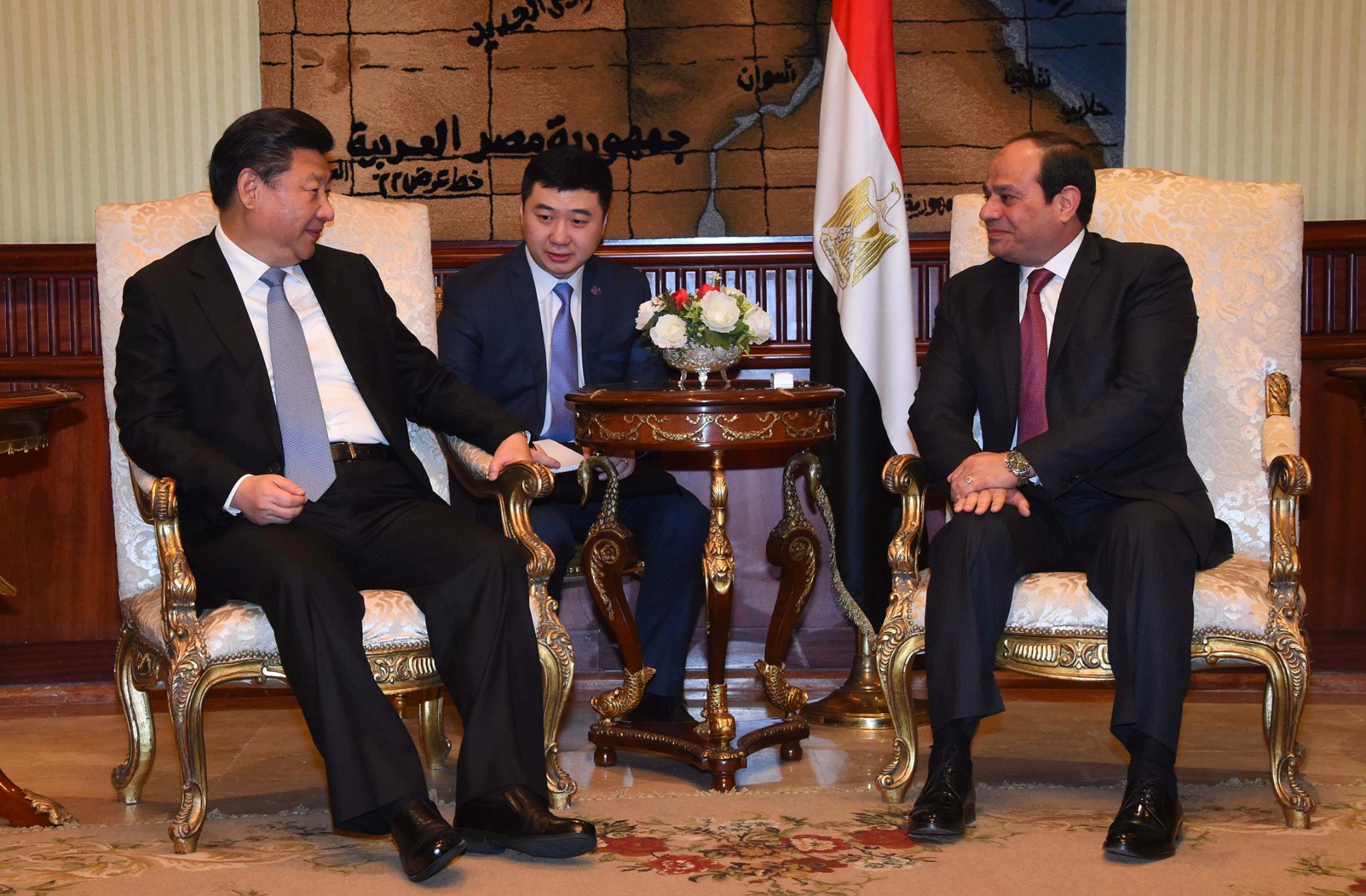
Washington views the deepening cooperation—ranging from the TEDA Economic Cooperation Zone near the Suez Canal to the integration of Chinese telecommunications—as a direct threat to its long-standing influence. U.S. officials remain particularly wary of the Belt and Road Initiative, fearing that Chinese infrastructure projects and digital footprint, including Huawei’s involvement in government AI data centers, provide Beijing with leverage that undermines American security architecture. By joining BRICS and seeking alternative military partnerships, Cairo is effectively insulating its economy from Western pressure tactics.
Israel’s apprehension centers on the potential loss of its qualitative military edge. Security circles in Tel Aviv are increasingly concerned that joint exercises like the “Eagles of Civilization” and the diversification of Egyptian arms procurement will weaken the efficacy of the Israeli lobby in Washington. For Cairo, however, this recalibration is a calculated move toward strategic autonomy. By balancing competing global powers, Egypt aims to safeguard its national interests—from water security to border stability—without the constraints of Western mandates, signaling a broader regional shift toward a multipolar landscape where Arab nations hold greater agency in their foreign policy.

Comments (0)
No comments yet. Be the first!