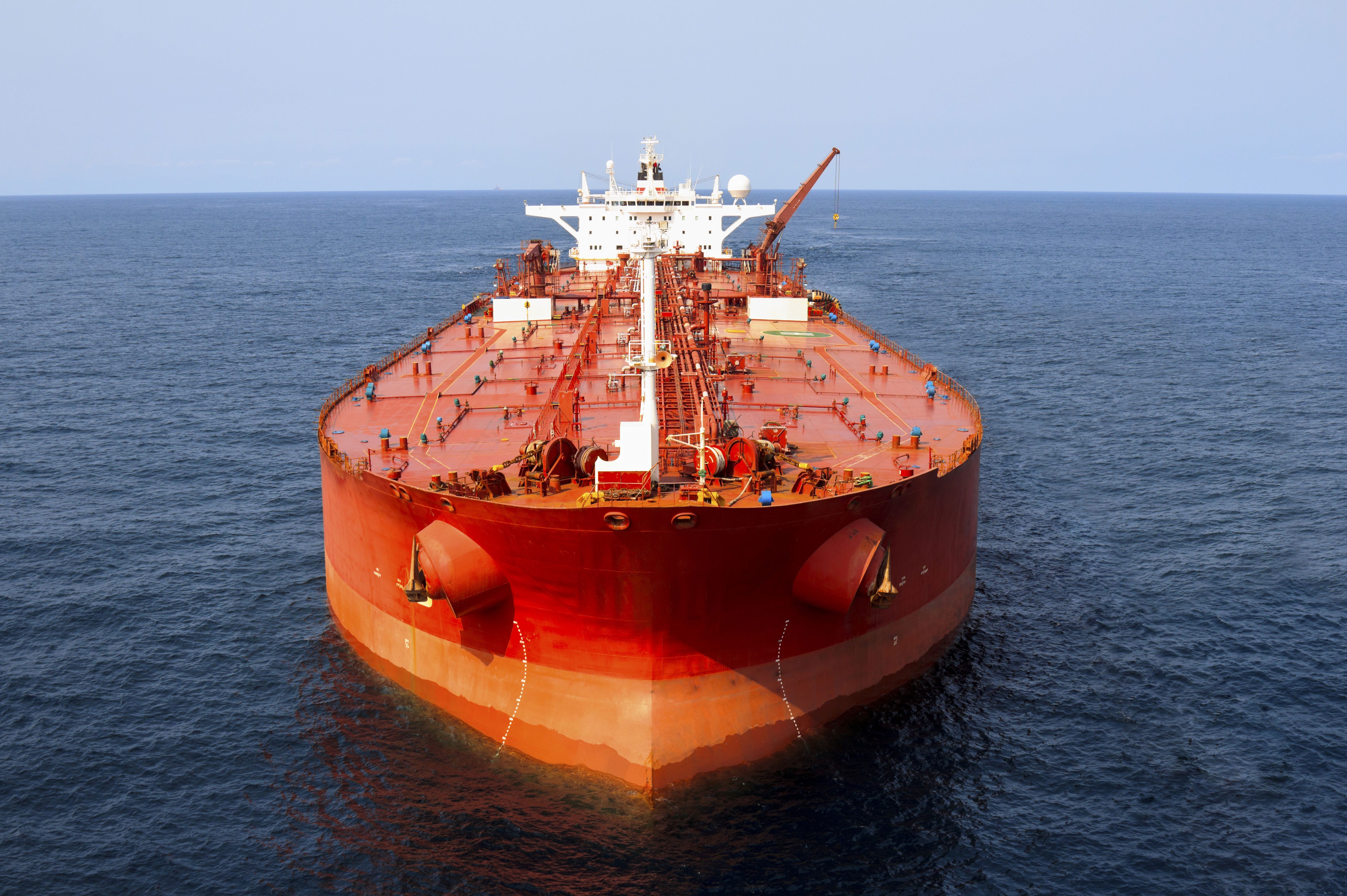
Admiral Brad Cooper, commanding US naval forces in the region, confirmed the engagement followed a series of strikes on Iranian vessels near Kharg Island. Iran’s Revolutionary Guard responded with ballistic missiles aimed at US naval assets, subsequently targeting three additional tankers. While the energy sector reacts with volatility—evidenced by US retail diesel hitting a record $5.85—broader financial markets remain focused on the Federal Reserve’s upcoming September 15–16 meeting. Unexpectedly strong payroll growth of 162,000 jobs has largely overshadowed the conflict’s traditional safe-haven appeal, causing gold to slip to $4,402 an ounce and 10-year Treasury yields to climb to 4.79%.
This dynamic leaves major energy producers like Saudi Arabia and the UAE positioned as market stabilizers, using spare capacity to influence prices while Asian refiners face supply disruptions. For the White House, the situation creates a complex balancing act. As the temporary pause in the Ukraine conflict expires, the administration must manage a dual-front foreign policy crisis while the Fed decides whether to prioritize inflation control over the inflationary pressure of rising oil costs. The market’s current indifference toward gold suggests investors view the Gulf hostilities as a contained energy-specific shock rather than a systemic threat.



Comments (0)
No comments yet. Be the first!