 Business
With the 15th Ministerial Conference on the horizon, WTO delegates gathered in Geneva on 5–6 October to transition from procedural debates to concrete policy outcomes. The focus remains on reconciling development priorities with the demands of digital trade and agricultural reform, even as smaller delegations warn of mounting capacity constraints.
October 7, 2026
 Business
Rwanda has reached a staff-level agreement with the International Monetary Fund, paving the way for a $35.7 million disbursement. The deal follows a period of robust economic expansion, though officials remain locked in a battle against inflation that continues to outpace the National Bank of Rwanda's medium-term targets.
October 7, 2026
 Business
The closure of the Strait of Hormuz has triggered a sharp economic reversal across the Middle East, North Africa, Afghanistan, and Pakistan. The World Bank projects a 2.1% regional output contraction in 2026, marking a stark departure from the previous year’s growth as energy exports stall and trade routes remain paralyzed.
October 7, 2026
 Business
With 2.1 million more citizens falling into poverty over the last year, Bangladesh faces a deepening economic malaise. The World Bank projects growth will hover at 3.4% through 2027, constrained by severe banking instability, stagnant job creation, and a fiscal deficit that leaves the government with little room to maneuver.
October 7, 2026
 Business
Growth across Sub-Saharan Africa is projected to reach 4.3% by 2026, yet the World Bank warns that these gains fail to translate into sufficient job creation. While reforms have bolstered resilience in nations like Nigeria and Ethiopia, rising debt and inflation continue to threaten the stability of household incomes.
October 7, 2026
 Business
The East Asia and Pacific region is poised for 4.5% growth in 2026, buoyed by the global hunger for high-tech components. While AI-linked manufacturing provides a vital economic tailwind, the World Bank warns that translating this export success into domestic productivity and job creation remains a complex, uneven hurdle.
October 7, 2026
 Business
North Macedonia faces a critical economic crossroads where current growth trajectories fall short of bridging the income gap with the European Union. A new World Bank report suggests that a targeted reform package could accelerate annual growth to 3.8%, potentially generating 53,000 jobs while upgrading conditions for 196,000 existing workers.
October 7, 2026
 Business
South Asia is poised for a 6.9% economic expansion in 2026, outperforming initial forecasts as robust domestic demand and structural reforms buffer the region against global instability. According to the World Bank, this resilience provides a critical window to leverage artificial intelligence for productivity gains and improved public service delivery.
October 7, 2026
 Business
India is set to maintain its status as a global growth engine with a projected 7.1% expansion in fiscal year 2027. According to the World Bank, this momentum relies on resilient domestic demand and export strength, though the country remains vulnerable to external shocks like oil price volatility and capital market fluctuations.
October 7, 2026
 Business
Facing a $400 billion annual financing gap, the African Development Bank Group and ODI Global have formalized a strategic partnership to overhaul development funding mechanisms. The collaboration aims to lower borrowing costs and mobilize private capital by integrating independent research with the Bank’s operational expertise in African markets.
October 7, 2026
 Business
While Sri Lanka’s GDP has officially returned to 2018 levels following twelve consecutive quarters of expansion, the national recovery has yet to reach the average household. Despite a projected 4.4% growth rate by 2026, poverty remains stuck at 16.9%, leaving families to navigate persistent inflation and stagnant job prospects.
October 7, 2026
 Business
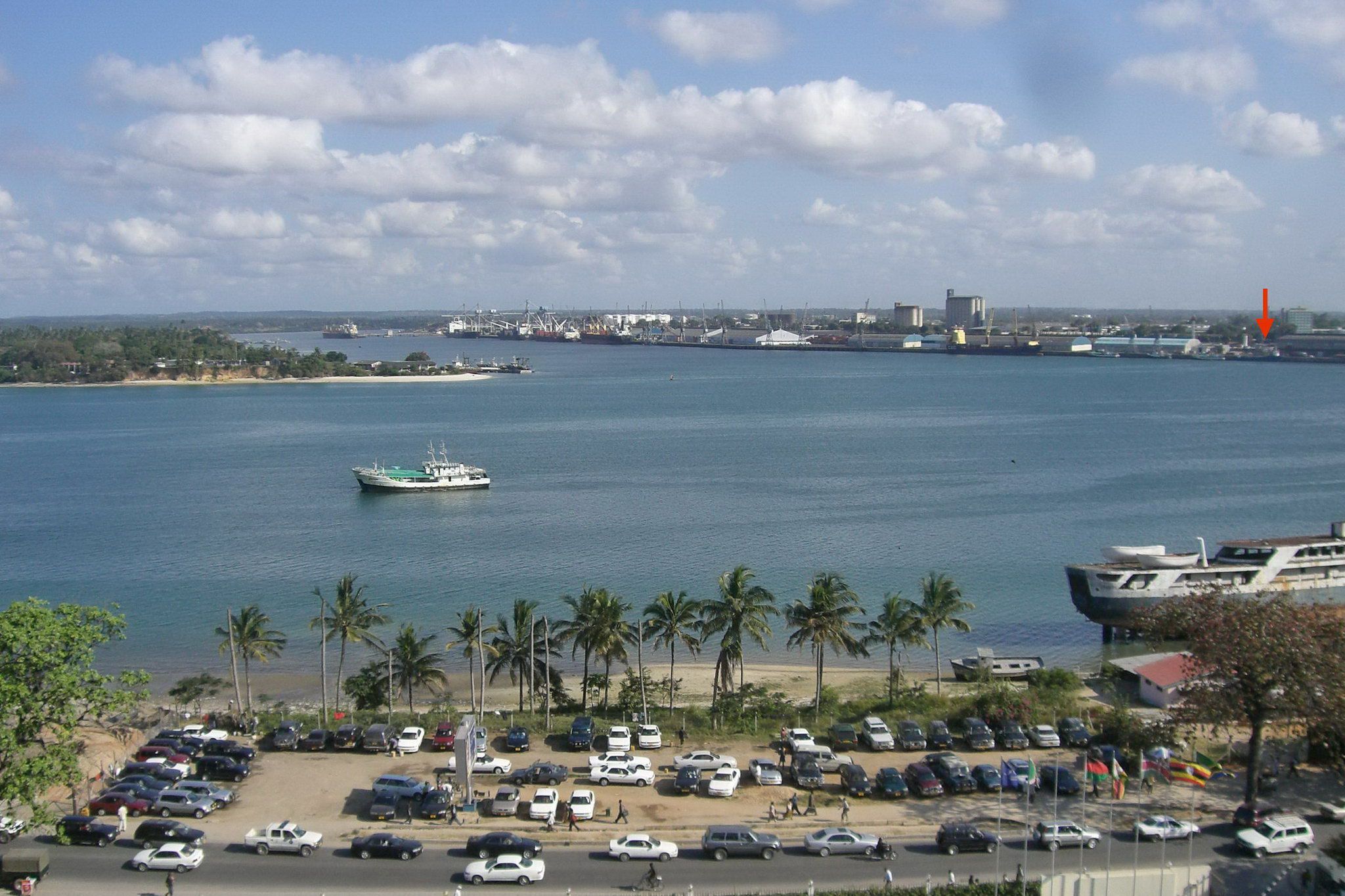
A $10 million trade finance guarantee, signed in Dar es Salaam on September 28, arms Exim Bank Tanzania with the capacity to shield import transactions from non-payment risks. By securing letters of credit, the African Development Bank Group aims to bolster local SMEs and accelerate Tanzania’s integration into regional markets.
October 7, 2026
 Business
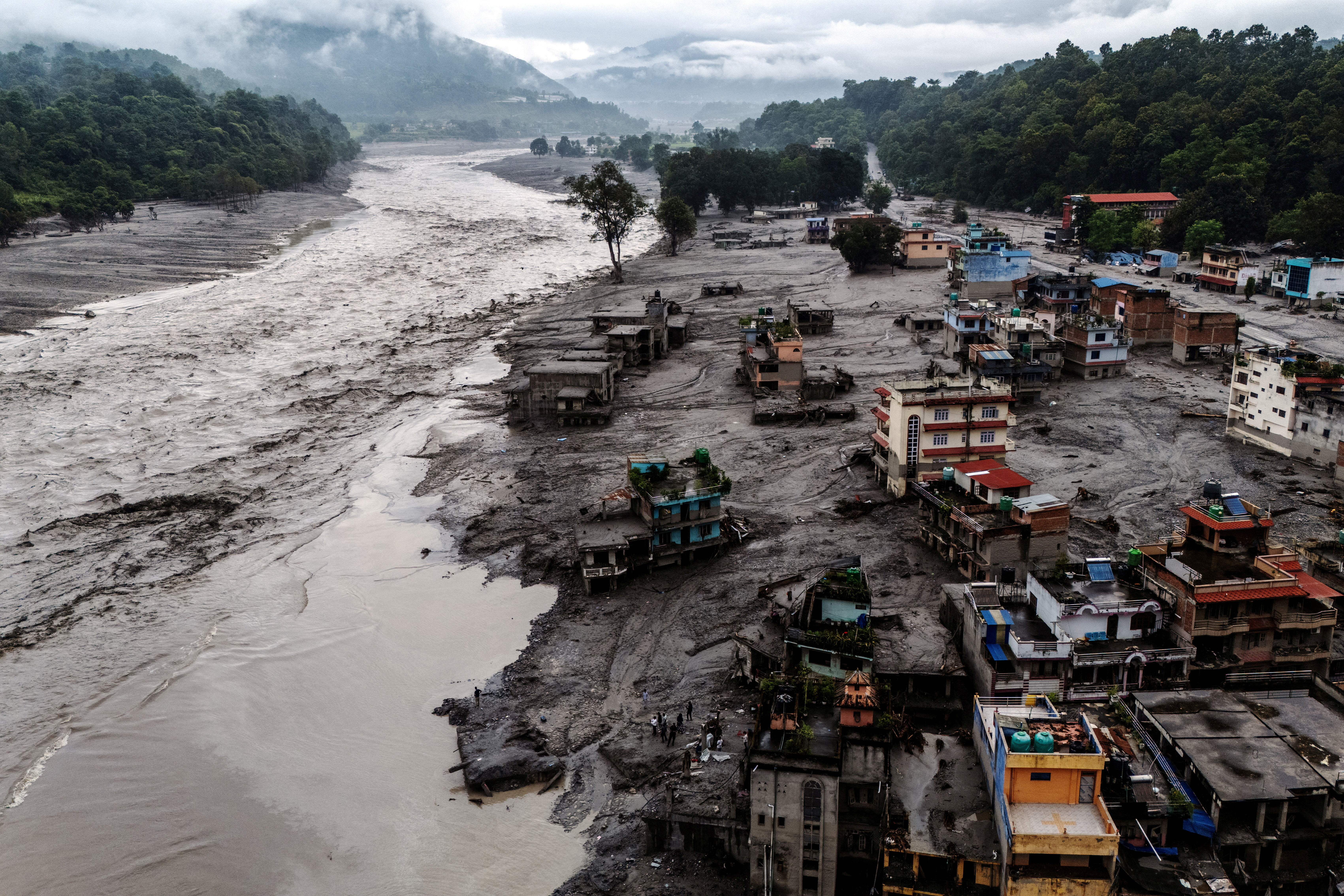
The August 26 Rasuwa flood has forced a downward revision of Nepal’s economic growth to 3.7% for the 2027 fiscal year. As the nation pivots from emergency relief to long-term reconstruction, the World Bank warns that future stability hinges on integrating climate-resilient infrastructure and advanced disaster preparedness into national development plans.
October 7, 2026
 Business
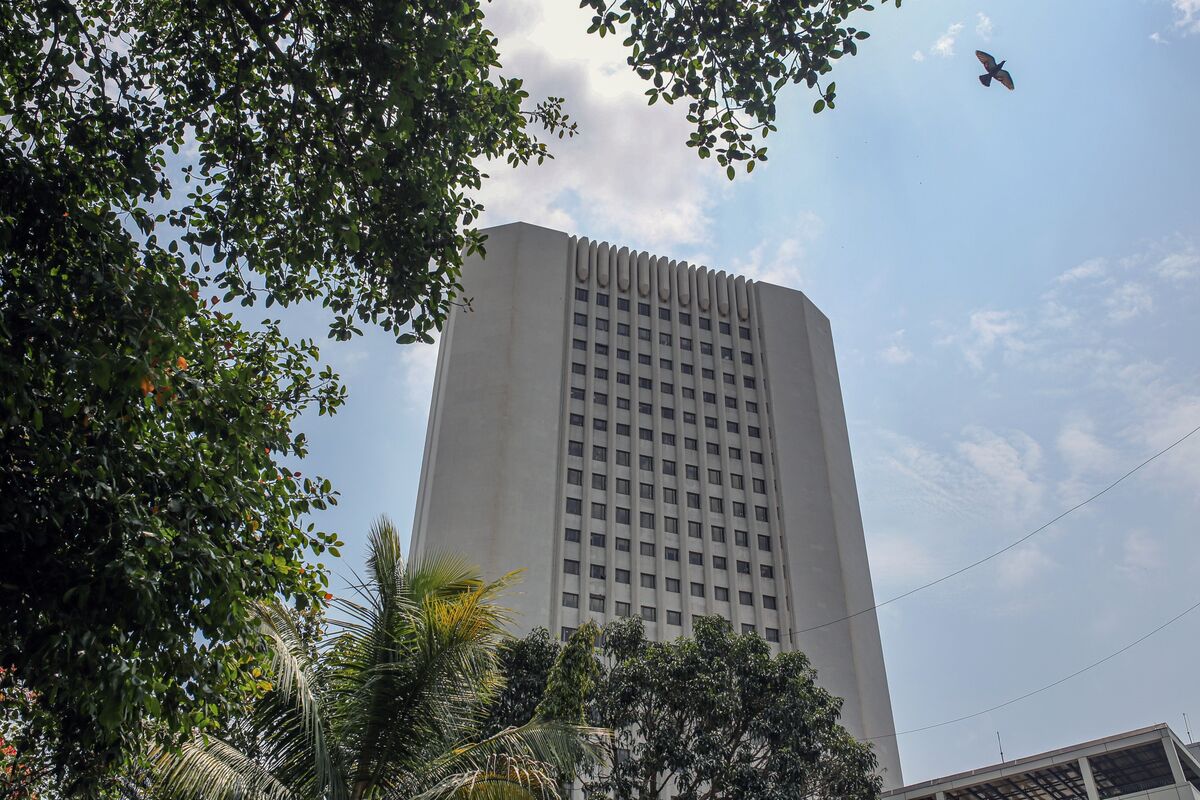
With the repo rate held at 5.25 percent since August, the Reserve Bank of India’s Monetary Policy Committee faces a critical juncture this Wednesday. Economists remain split on whether the central bank will trigger an immediate 25-basis-point hike or delay the tightening cycle until December to gauge domestic price pressures.
October 7, 2026
 Business
Somali households rely on diaspora money to survive personal emergencies, yet this private support falters when catastrophe hits the entire community. New research suggests that while remittances effectively buffer individual shocks like illness or job loss, they cannot replace formal public protection during climate-driven disasters or systemic economic volatility.
October 6, 2026
 Business
Ninety-six percent of employer organizations across 22 Asia-Pacific countries report that labour and responsible business requirements are now central to commercial competitiveness. Rather than peripheral compliance issues, these standards have become primary factors in preserving market access and navigating complex international export relationships.
October 6, 2026
 Business
With only 17% of Sustainable Development Goals currently on track, researchers Oksana Kiseleva, Anna Firsova, and Alla Vavilina argue that the primary obstacle is systemic fragmentation. Rather than viewing artificial intelligence as an autonomous problem-solver, they propose using it to build a workforce capable of bridging disparate development paradigms.
October 6, 2026
 Business
South Asia enters 2027 with robust projected growth, yet the region’s reliance on energy imports and dwindling fiscal buffers threatens long-term stability. While headline figures remain strong, the primary challenge is transitioning from consumption-driven expansion to productive job creation before the region’s demographic advantage begins to fade.
October 6, 2026
BusinessThe Middle East, North Africa, Afghanistan and Pakistan face a projected 2.1 percent economic contraction in 2026, signaling a sharp reversal from the previous year's growth. The downturn is driven by a logistical crisis in the Gulf, where physical trade disruptions have effectively decoupled hydrocarbon production from global energy prices.
October 6, 2026
 Business
While the East Asia and Pacific region heads into 2026 with a projected 4.5% growth rate, a stark divide is emerging between nations capitalizing on the global AI manufacturing boom and those struggling with domestic stagnation, limited technical infrastructure, and a lack of high-complexity employment roles.
October 6, 2026
BusinessCustoms systems, once streamlined for speed and simple paperwork, are buckling under a new generation of complex regulatory demands. As governments mandate rigorous traceability for environmental and social standards, the border has become a bottleneck where policy ambition currently outpaces operational infrastructure.
October 6, 2026
 Business
The recent slide in Indian equities transcends traditional fears of rising crude oil prices and geopolitical friction. According to a Nomura strategy report, investors are pivoting away from the market due to mounting anxiety over long-term growth prospects, technological disruption, and a fundamental shift in global capital allocation.
October 6, 2026
 Business
With revenue projected to hit Rs 2,641 crore, Bank of America anticipates a robust second quarter for Paytm, driven by aggressive expansion in payments and financial services. The brokerage firm maintains a Buy rating, citing consistent growth and improved margins as key indicators of the company’s strengthening financial health.
October 6, 2026
 Business
Sri Lanka has secured a staff-level agreement with the International Monetary Fund, paving the way for a $345 million infusion. This milestone, however, remains contingent on the government delivering a 2027 budget that satisfies international lenders and finalizing complex debt-restructuring commitments to ensure the nation’s fragile recovery remains on track.
October 6, 2026
 Business
The yield spread between Indian and US 10-year government bonds has tightened to a two-decade low of roughly two percentage points. While rising global interest rates have pressured bond markets, analysts at Jefferies argue this compression is not an anomaly, but rather a reflection of converging inflation profiles between the two nations.
October 6, 2026
 Business
Since 2016, a strategic partnership between Angola and the African Development Bank has delivered electricity to 1.3 million people and safe water access to 550,000 residents. Unveiled in Luanda, the new Development Effectiveness Review quantifies the impact of $2.9 billion in investments spanning energy, agriculture, and human capital.
October 6, 2026
 Business
With regional growth projected at 4.5% for 2026, East Asia is leveraging its dominance in high-tech manufacturing to weather global economic headwinds. While the AI hardware boom provides a vital tailwind for exports, the challenge remains shifting from supplying the world’s AI infrastructure to fostering meaningful productivity gains at home.
October 6, 2026
 Business
Smaller manufacturers account for 57% of industrial employment across OECD economies, yet they remain dangerously excluded from the massive investments pouring into semiconductors and electric vehicles. As governments prioritize flagship projects, the widening gap in resources and digital readiness threatens to fracture the stability of global supply chains.
October 6, 2026
 Business
While global renewable energy employment has surged to 16.6 million jobs, a massive disconnect persists between burgeoning industry demand and the readiness of the world's 1.2 billion young people. Sustainable energy success now hinges on whether governments can transform infrastructure projects into engines for long-term skill development and local economic stability.
October 6, 2026
 Business
Carbon border measures are evolving from environmental policy into potent industrial tools that reshape where global value is created. A new study indicates that as these tariffs alter the cost of carbon-intensive imports, they force a structural shift that favors domestic production in the West while isolating emerging markets.
October 5, 2026