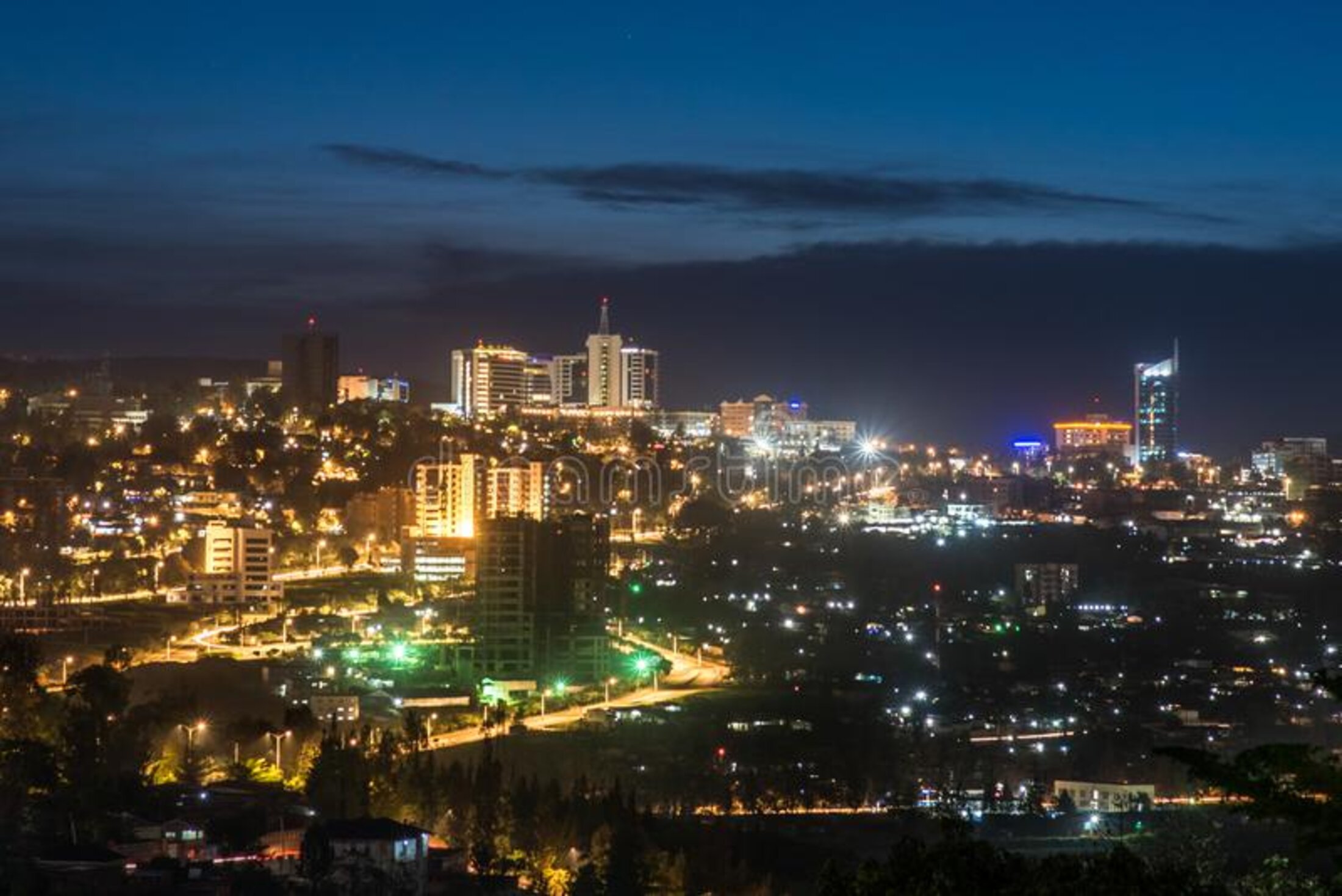
The country’s economy grew by 9.7 percent during the first half of 2026, bolstered by resilient exports and steady remittances. While foreign exchange reserves remain stable, covering four months of imports, the cost of living has surged. Inflation hit 15.7 percent in August, driven by volatile global prices for oil and fertilizers. The IMF has urged the central bank to maintain a restrictive monetary policy to prevent these price pressures from embedding themselves deeper into the economy.
Fiscal discipline has played a significant role in this progress, with the deficit shrinking to 4.8 percent in the 2025/26 financial year. By passing international fuel costs to consumers and limiting subsidies, the government has managed to keep debt risks at a moderate level. Looking ahead, the focus shifts to the second Medium-Term Revenue Strategy and the careful selection of capital projects. As the IMF Executive Board prepares to review the arrangement in December 2026, the government must balance these fiscal consolidation efforts against the potential for climate-related shocks and global geopolitical instability.

/newsdrum-in/media/media_files/oAauYbLHbz3orhTrK8NP.jpg)
Comments (0)
No comments yet. Be the first!