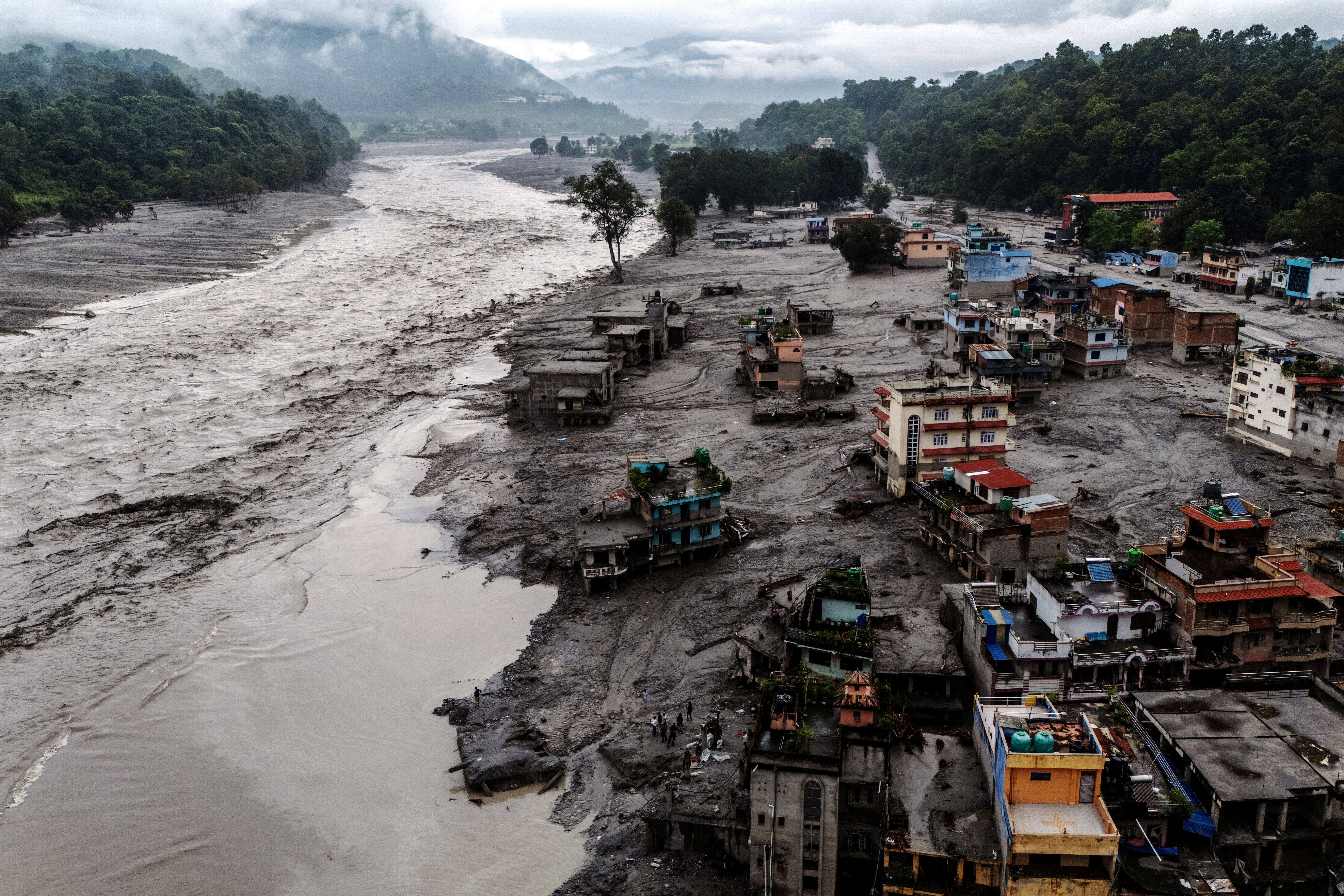
Industry and services bear the brunt of the recovery challenge. Extensive damage to hydropower plants, solar installations, and critical transport networks has choked electricity generation and the flow of goods across the country. While agricultural output remains largely insulated at the national level, local communities face acute livelihood crises as farming families struggle with the immediate aftermath of the disaster.
David Sislen, the World Bank’s Division Director for Maldives, Nepal, and Sri Lanka, emphasized that the catastrophe exposes deep vulnerabilities in existing infrastructure. He urged authorities to prioritize redundancy in energy and communications, noting that traditional planning methods no longer suffice under evolving climate conditions. The proposed recovery strategy calls for updated hazard assessments and an integrated social protection system to ensure rapid financial aid reaches the most vulnerable households during future climate shocks.
Beyond immediate reconstruction, Nepal must align with broader regional shifts. A wider World Bank analysis suggests that adopting artificial intelligence could help bridge foundational gaps in health, education, and labor productivity. Franziska Ohnsorge, the bank’s Chief Economist for Asia, noted that while South Asia’s growth remains robust at a projected 6.9% for 2026, the long-term potential of these technologies requires significant investment in workforce skills and stable digital infrastructure to overcome systemic barriers.


Comments (0)
No comments yet. Be the first!