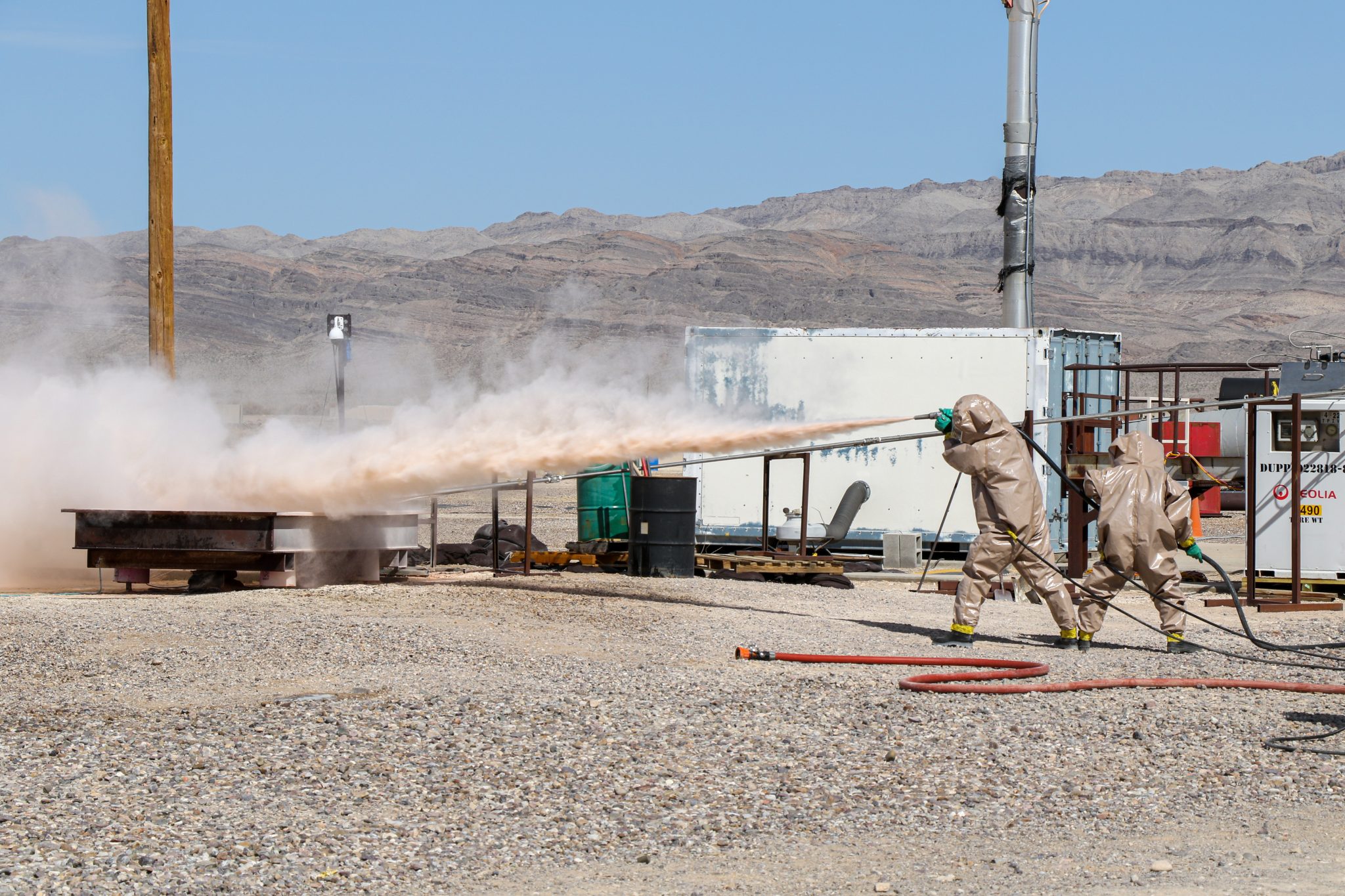
The Nevada experiment, designed to sharpen detection capabilities against so-called decoupled nuclear blasts, serves as a direct response to Washington’s allegations regarding a 2020 Chinese test at Lop Nur. While the activity remains non-nuclear and technically consistent with existing moratoriums, it underscores a dangerous shift in the geopolitical landscape. The two pillars sustaining the global ban—restraint among major powers and a trusted, transparent body of evidence—are fracturing simultaneously.
This erosion leaves the international community in a precarious position. Without functional mechanisms to resolve compliance disputes, the integrity of the nuclear test ban risks becoming a hostage to national rhetoric. The concern is not necessarily an immediate return to full-scale detonations, but rather the degradation of the process that once allowed for objective oversight. As the ability to independently verify claims diminishes, the global architecture governing nuclear restraint loses its foundational authority, leaving states to rely on the confidence of their own narratives.



Comments (0)
No comments yet. Be the first!