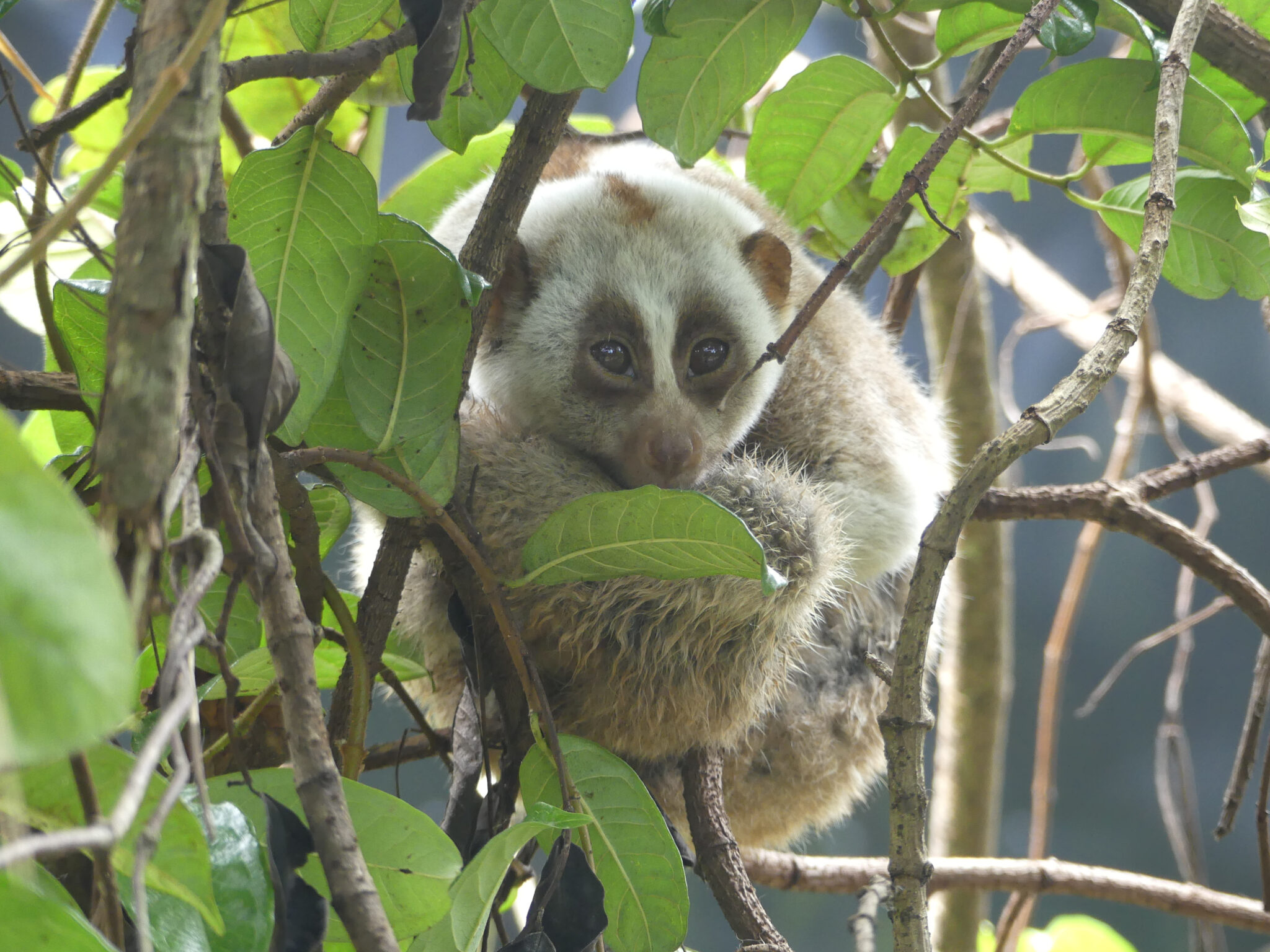
The rediscovery challenges previous assumptions that the species had gone extinct after its last formal documentation in 1937. Field surveys found these small, 10-inch primates navigating backyards, roadsides, and electrical lines across Bangka Island. The Alobi Wildlife Rescue Centre intervened to treat multiple injured animals, eventually releasing 86 of them back into the wild after incidents involving power lines and domestic animals.
Known for its unique ability to secrete venom by licking glands on its arms, the loris uses the toxin primarily for defensive grooming. While the venom can trigger anaphylactic shock in humans, it remains a vital evolutionary trait for the species. Despite the excitement of the find, the animal is currently listed as critically endangered. Habitat loss driven by illegal tin mining and the expansion of oil palm plantations continues to threaten the population. Study author Timon Glaw noted that the survival of the loris provides a glimmer of hope for other species long thought lost, though he emphasized that immediate, long-term conservation strategies are essential to prevent the loris from vanishing again.




Comments (0)
No comments yet. Be the first!