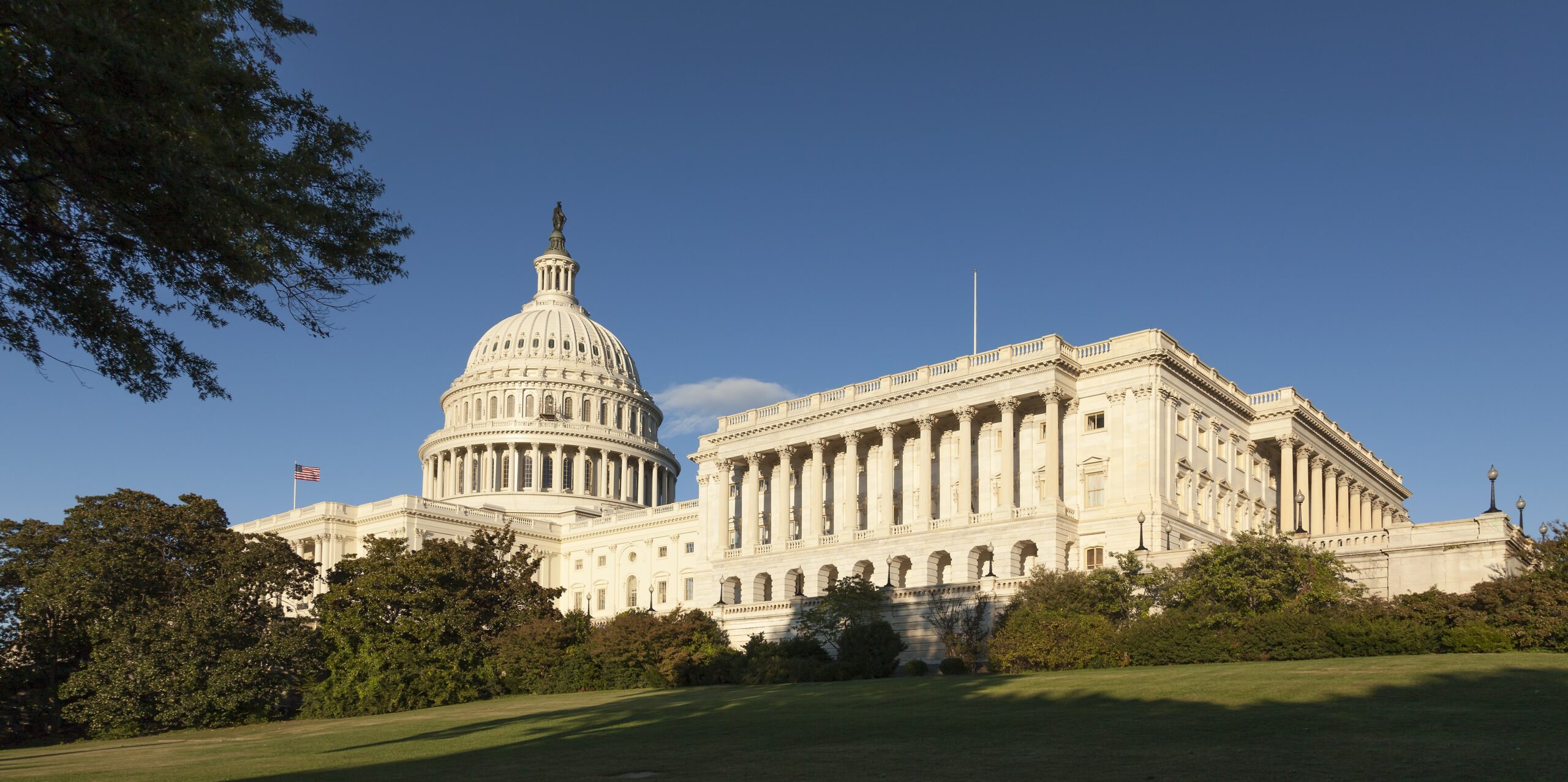
The path to a Democratic majority hinges on eight key races where polling errors and record-breaking campaign spending have blurred the lines between safe seats and toss-ups. In North Carolina, former governor Roy Cooper is testing the GOP’s hold on the seat vacated by Thom Tillis, while in Texas, state Attorney General Ken Paxton faces an unexpectedly stiff challenge from progressive James Talarico. Ohio remains a focal point for national spending as Sherrod Brown attempts a comeback against Jon Husted, a contest serving as a barometer for regional economic discontent.
Elsewhere, incumbents are facing significant pressure in states once considered reliably red. Susan Collins in Maine must navigate a challenging political climate, while Mary Peltola has turned Alaska into a competitive arena. Races in Kansas, Iowa, and Michigan further highlight the volatility of the map; in Kansas, Adam Hamilton’s bid against Roger Marshall marks an rare challenge in a state that has not sent a Democrat to the Senate since 1932. Meanwhile, the battle for the House of Representatives remains equally intense, with suburban districts from New York to Nebraska serving as critical indicators of whether a broader electoral wave is materializing against Republican incumbents.



Comments (0)
No comments yet. Be the first!