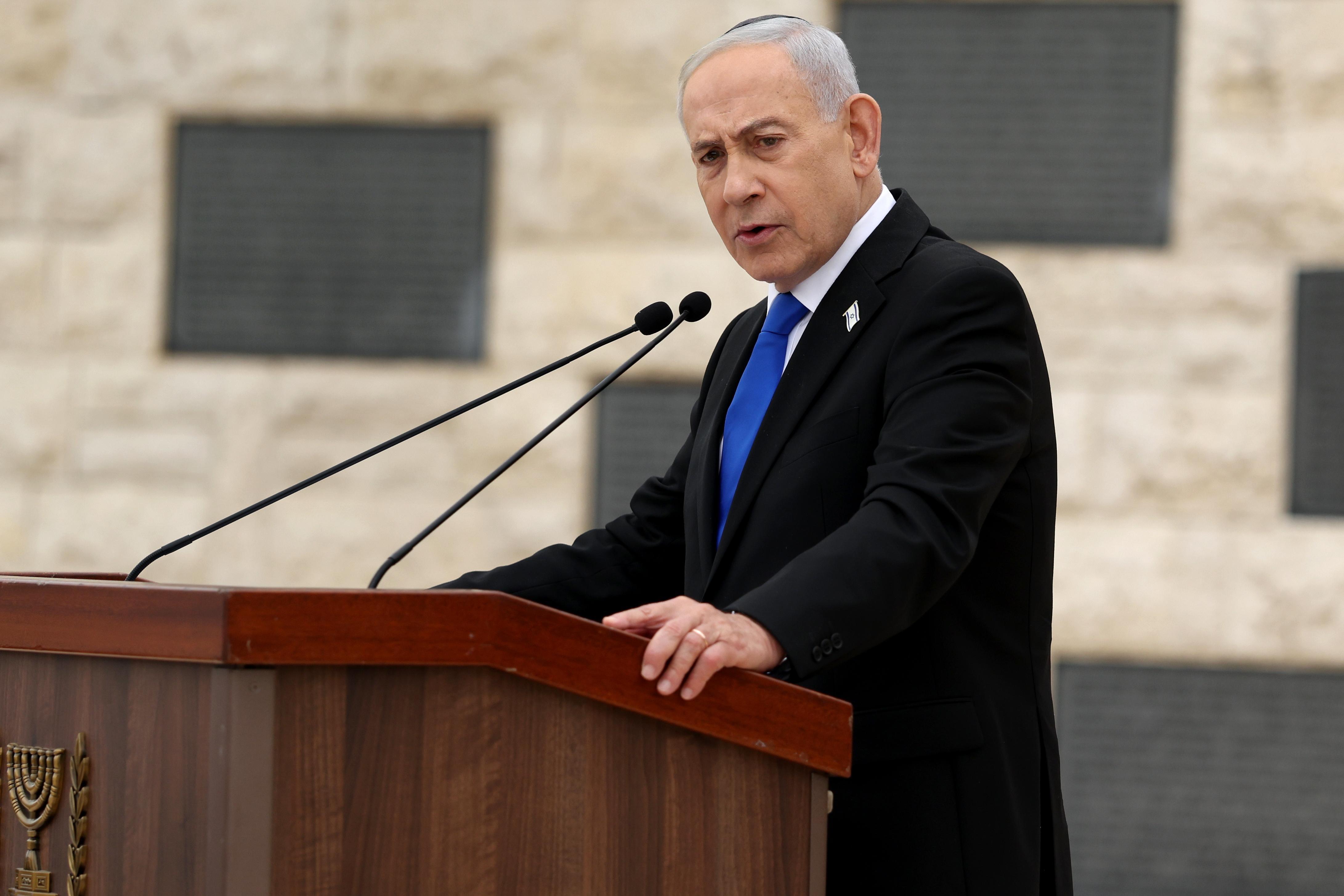
The contest between Netanyahu’s Likud party and a rival alliance led by former military chief Gadi Eisenkot reflects a deeply divided nation. Netanyahu has centered his campaign on his wartime record and his relationship with Donald Trump, positioning himself as the only leader capable of navigating the Iranian threat. Conversely, Eisenkot has framed the election as a referendum on Netanyahu’s governance, accusing the Prime Minister of exploiting fear and misinformation to cling to power.
Accountability remains the core issue for many voters. While supporters credit Netanyahu for his decisive military response in Gaza and against Iranian assets, critics point to the failure to prevent the 2023 attack that resulted in 1,200 deaths and 251 hostages. This divide is further complicated by the necessity of coalition politics in the 120-seat Knesset. Netanyahu may again rely on far-right figures like Itamar Ben-Gvir and Bezalel Smotrich, both of whom face international scrutiny over their rhetoric toward Palestinians. With neither camp guaranteed a majority, Israel faces the prospect of protracted negotiations or even a repeat election, leaving the country’s political future in a state of prolonged uncertainty.


Comments (0)
No comments yet. Be the first!