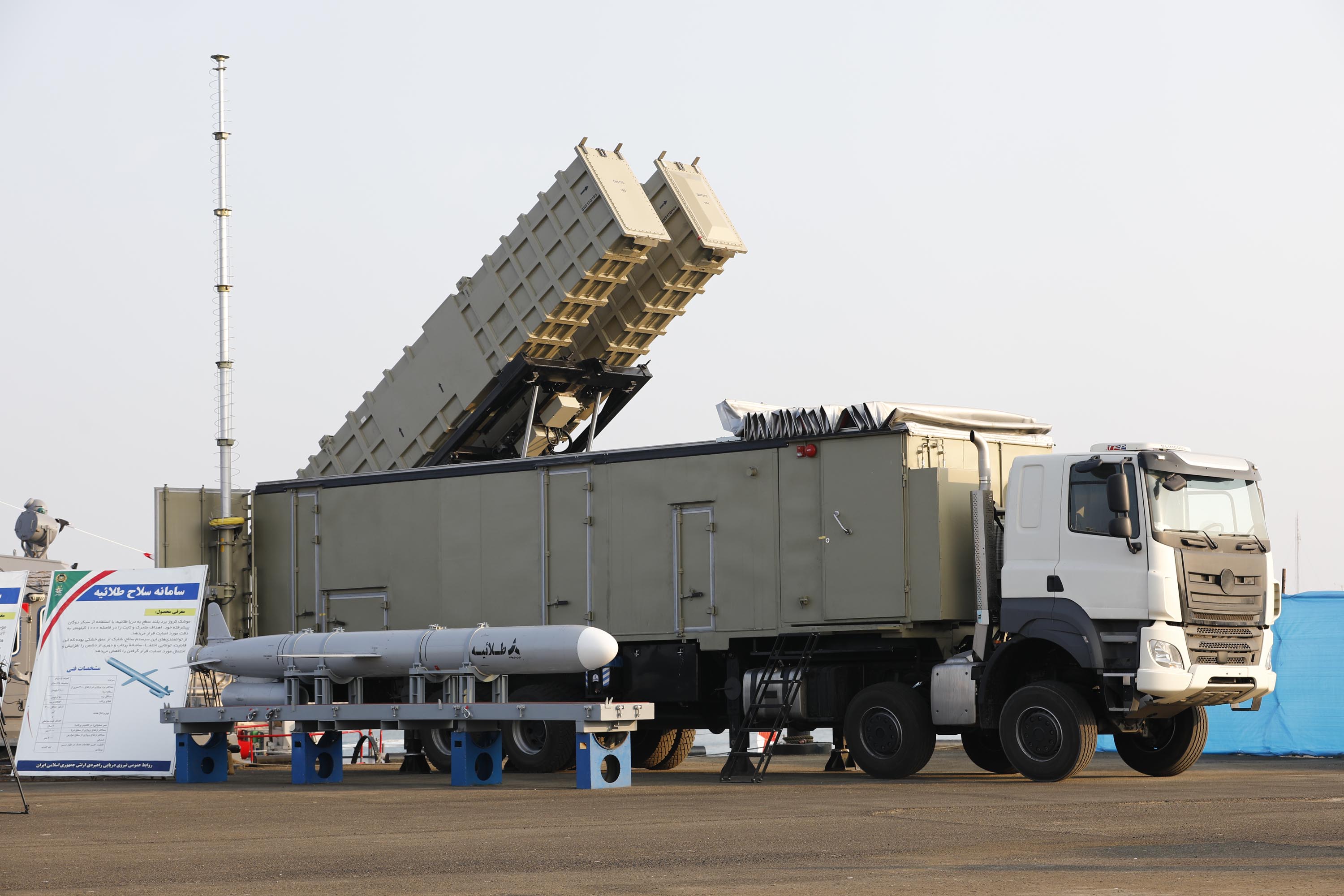
The project, which began taking shape in early 2023, centers on the integration of ramjet engines into Iran's existing missile arsenal. This propulsion system allows projectiles to travel at multiples of the speed of sound, drastically reducing the reaction time for naval defense systems to detect and intercept incoming threats. According to Fabian Hinz of Conflict Armament Research, such a transfer of highly sensitive military technology requires authorization from the highest levels of the Russian government, signaling a deepening strategic alliance between Moscow and Tehran.
Leaked documentation indicates that the formal contract for this cooperation was signed in November 2023, shortly after the onset of regional hostilities in October. The partnership appears reciprocal, with Iran supplying drone technology for Russia's operations while receiving assistance for its own missile development. Beyond the Russian collaboration, reports suggest Iran has bolstered its targeting capabilities by utilizing high-resolution satellite imagery provided by Chinese suppliers, specifically the firm Earth Eye, to monitor American military positions in the region.
Former CIA analyst Jim Lamson noted that these advancements provide Iran with a qualitatively superior strategic weapon. By flying at extreme velocities while maintaining a low altitude, these missiles leave a minimal window for tracking. This development unfolds as Vladimir Putin recently reaffirmed a commitment to support Tehran, promising to supply necessary goods during what he described as a difficult period for the Iranian leadership.




Comments (0)
No comments yet. Be the first!