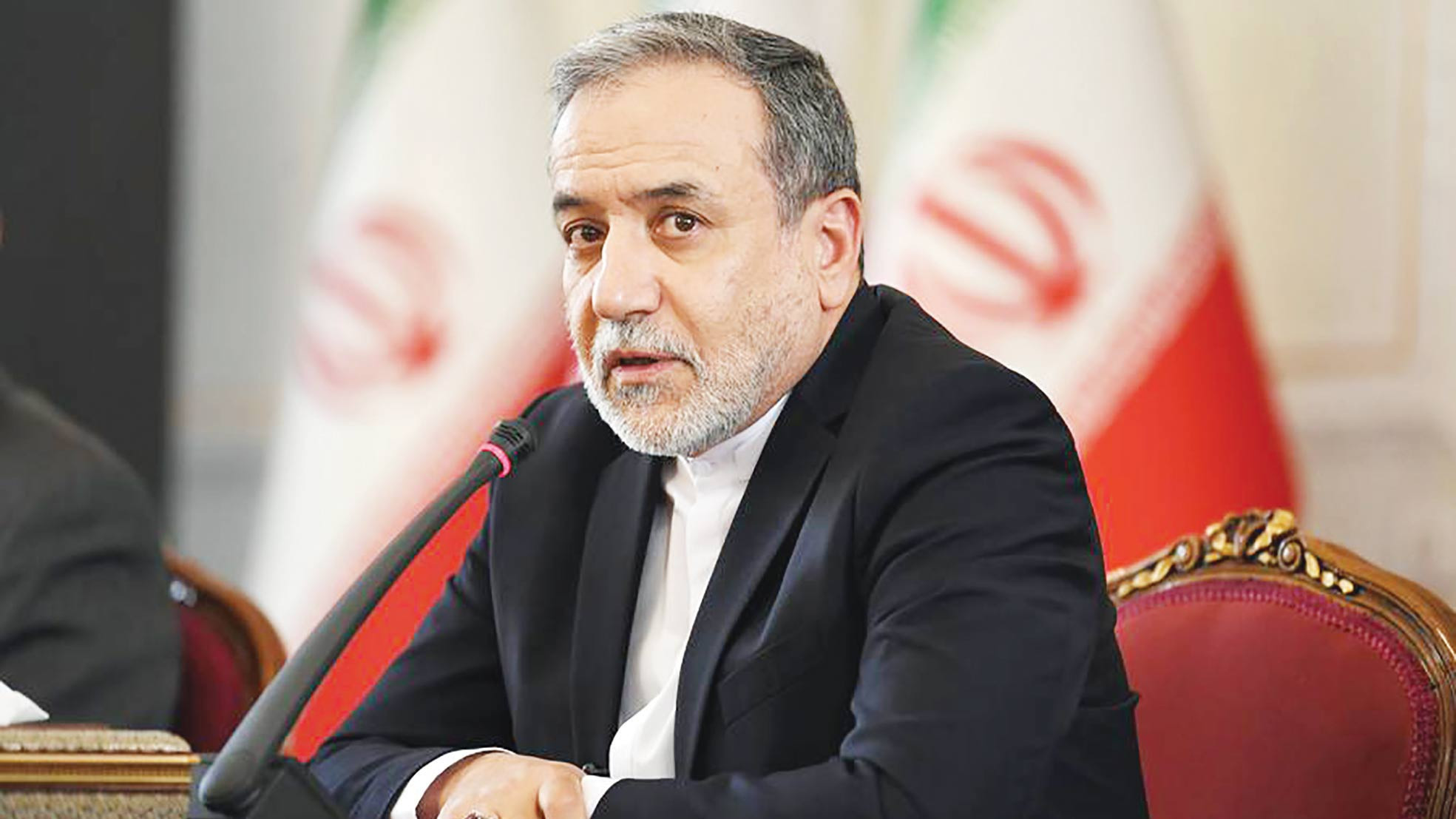
The war, which began on 28 February 2026 with the death of Supreme Leader Ali Khamenei and much of Iran’s command, has devolved into a battle over the world’s most critical energy chokepoint. While the US maintains a naval blockade and imposes severe financial penalties—notably the aggressive offensive announced by Treasury Secretary Scott Bessent on 24 August—Iran continues to leverage its partial control of the waterway. The impasse persists because both sides are locked in a high-stakes gamble: Washington bets on financial strangulation forcing capitulation, while Tehran banks on the global economic pain of a closed strait yielding sanctions relief.
Five states are currently navigating this deadlock, each managing a different piece of the conflict. Oman focuses on technical navigation, Qatar handles political messaging, and Pakistan serves as the primary military and American channel. Despite the high-level shuttle diplomacy, including Field Marshal Asim Munir’s recent trip to meet Iran’s reshuffled security leadership, the efforts remain fragmented. The June memorandum of understanding, intended to be a turning point, ultimately failed because its "constructive ambiguity" provided a cover for both sides to interpret the agreement in ways that institutionalized their disagreements rather than resolving them.
Moving forward, the prospect of a grand bargain appears slim. The most realistic path lies in a technical, informal arrangement for a transit corridor, likely mediated through Muscat. However, if these mediators continue to operate in silos, they risk creating a permanent state of functional, yet costly, instability. A durable solution will require these five nations to move beyond individual shuttle diplomacy and instead synchronize their efforts into a single, sequenced process that forces the belligerents to confront the reality of their stalemate.


Comments (0)
No comments yet. Be the first!