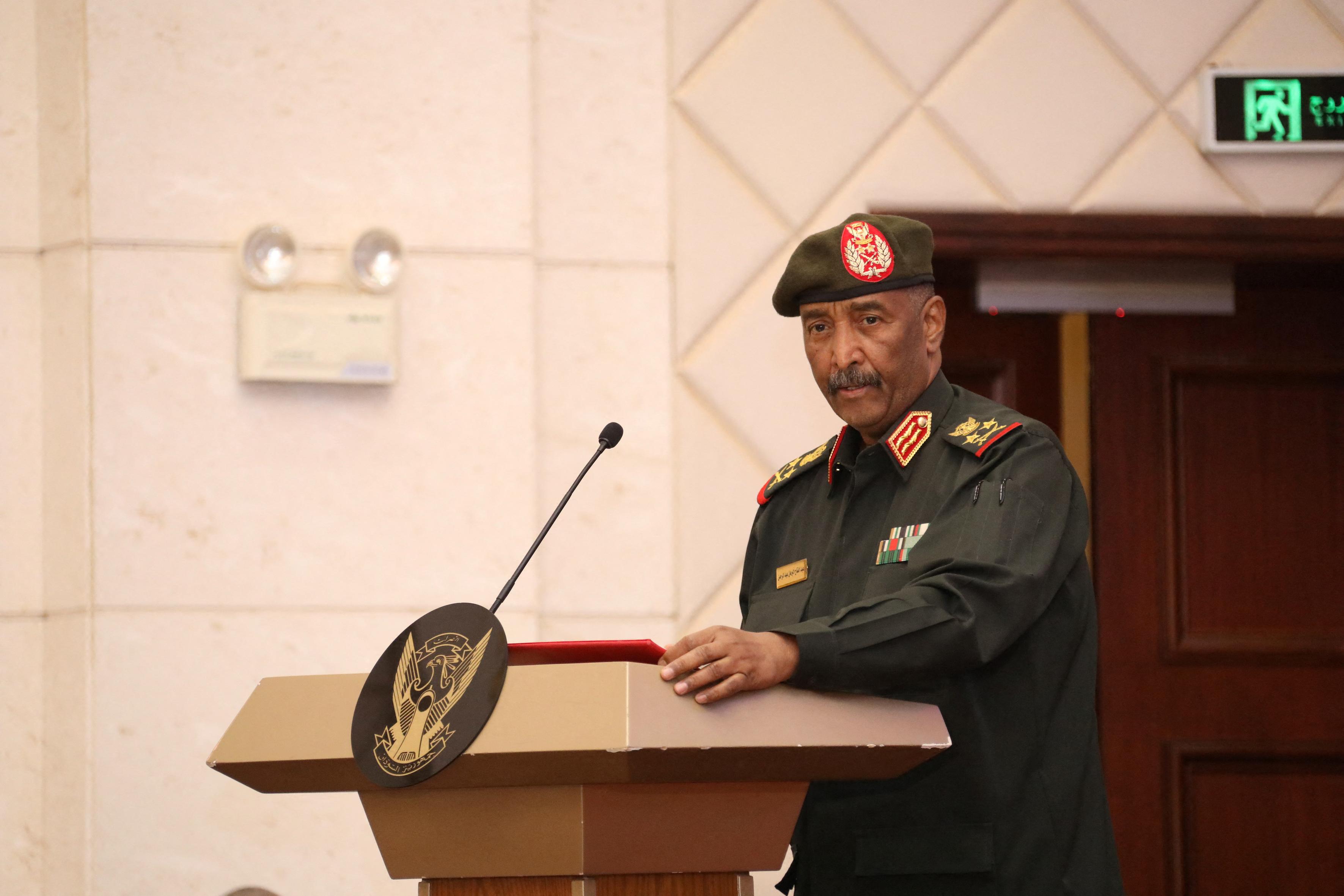
The proposed national dialogue, steered by lawyer Nabil Adib, is framed as a roadmap to civilian governance, yet it lacks both a clear agenda and support from key political actors. Figures from the Sudan People’s Liberation Movement–Revolutionary Democratic Current, led by Yasir Arman, have rejected the process, characterizing it as a unilateral maneuver by a warring party. By controlling the invitation list and setting the terms, the military seeks to manufacture a veneer of consensus while maintaining absolute control over the state apparatus.
Riyadh is orchestrating this transition alongside Egypt, Iran, and Türkiye, engaging in back-channel diplomacy with figures like Mariam al-Sadiq al-Mahdi and Omar el-Degeir to peel off support from the Sumud coalition. The strategy relies on fracturing established parties—including the Sudanese Congress Party and the National Umma Party—to co-opt individual members when organizations refuse to participate. This approach directly challenges the previous international consensus that neither the SAF commander nor Islamist factions should dominate a future transitional government.
The recent African Union Peace and Security Council mission to Khartoum further complicates the landscape. While the AU’s stated goals of humanitarian access and ceasefire negotiations are critical, the timing grants Burhan an opportunity to present his regime as the only viable interlocutor for national recovery. If the AU’s engagement is not strictly calibrated, it risks providing a diplomatic dividend that legitimizes military rule rather than fostering an inclusive political transition.


Comments (0)
No comments yet. Be the first!