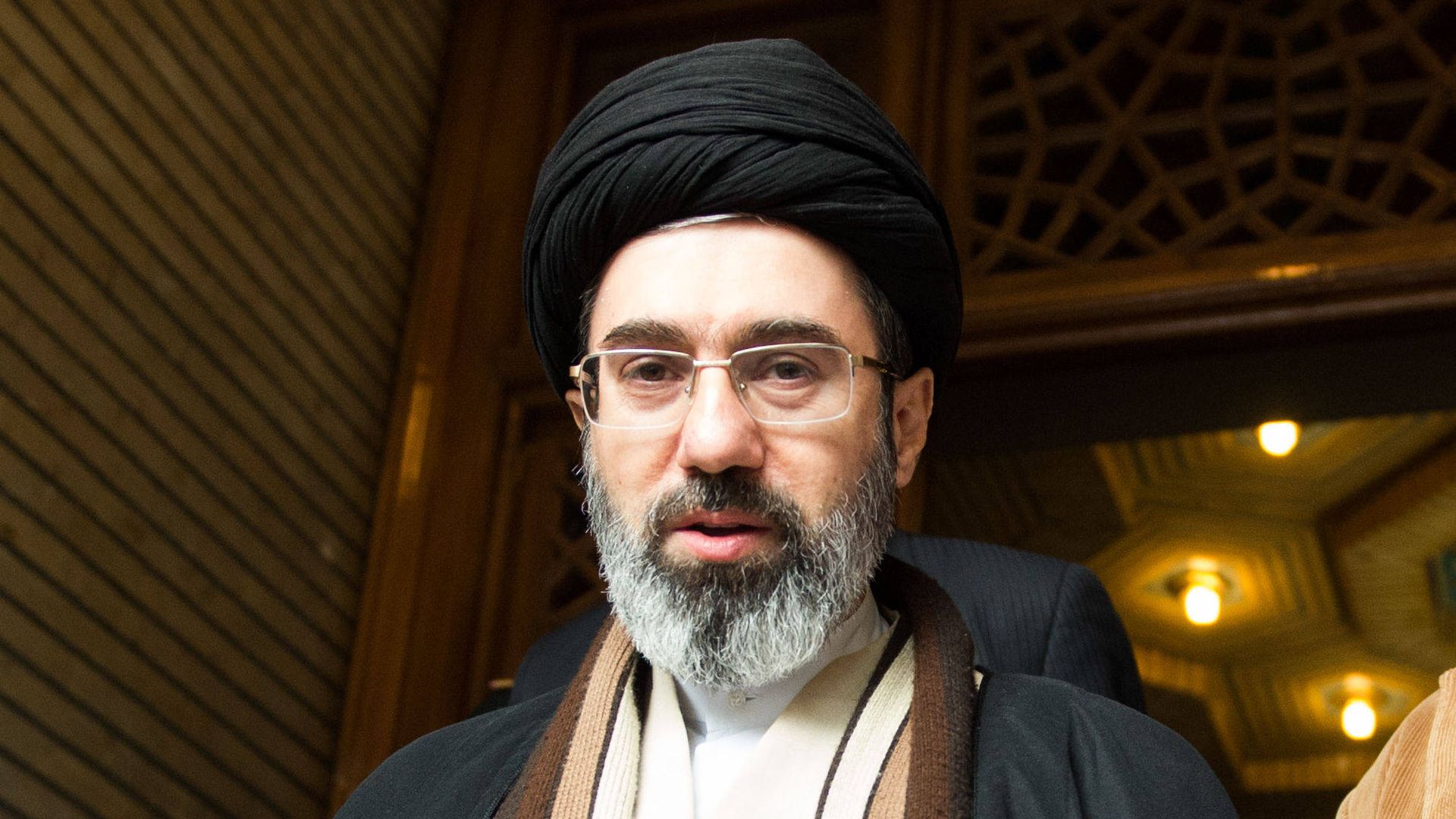
The Iranian Foreign Ministry frames the navigation talks as an independent effort to secure coastal sovereignty, yet the initiative stops far short of a war resolution. Resumption of commercial shipping remains contingent on a laundry list of demands, including the cessation of naval blockades and the payment of war reparations. This diplomatic maneuvering occurs within an increasingly fractured Iranian power structure. The lack of public appearances by Supreme Leader Mojtaba Khamenei, coupled with a decentralization of security and intelligence oversight, has created a vacuum where decision-making authority remains obscured.
Across the Atlantic, the American position is similarly erratic. J.D. Vance recently signaled a pivot toward prioritizing oil flow stabilization over nuclear containment, a stance that directly contradicts previous declarations from Donald Trump. This strategic divergence reflects a broader struggle within the U.S. administration, where territorial ambitions—such as Trump’s proposal to occupy the Strait of Hormuz—clash with capitalist imperatives. With neither side showing a willingness to bridge the gap between their maximalist demands, the collapse of the June 17 Memorandum of Understanding serves as a grim indicator that the conflict remains entrenched in a cycle of mutual accusations and military escalation.


Comments (0)
No comments yet. Be the first!