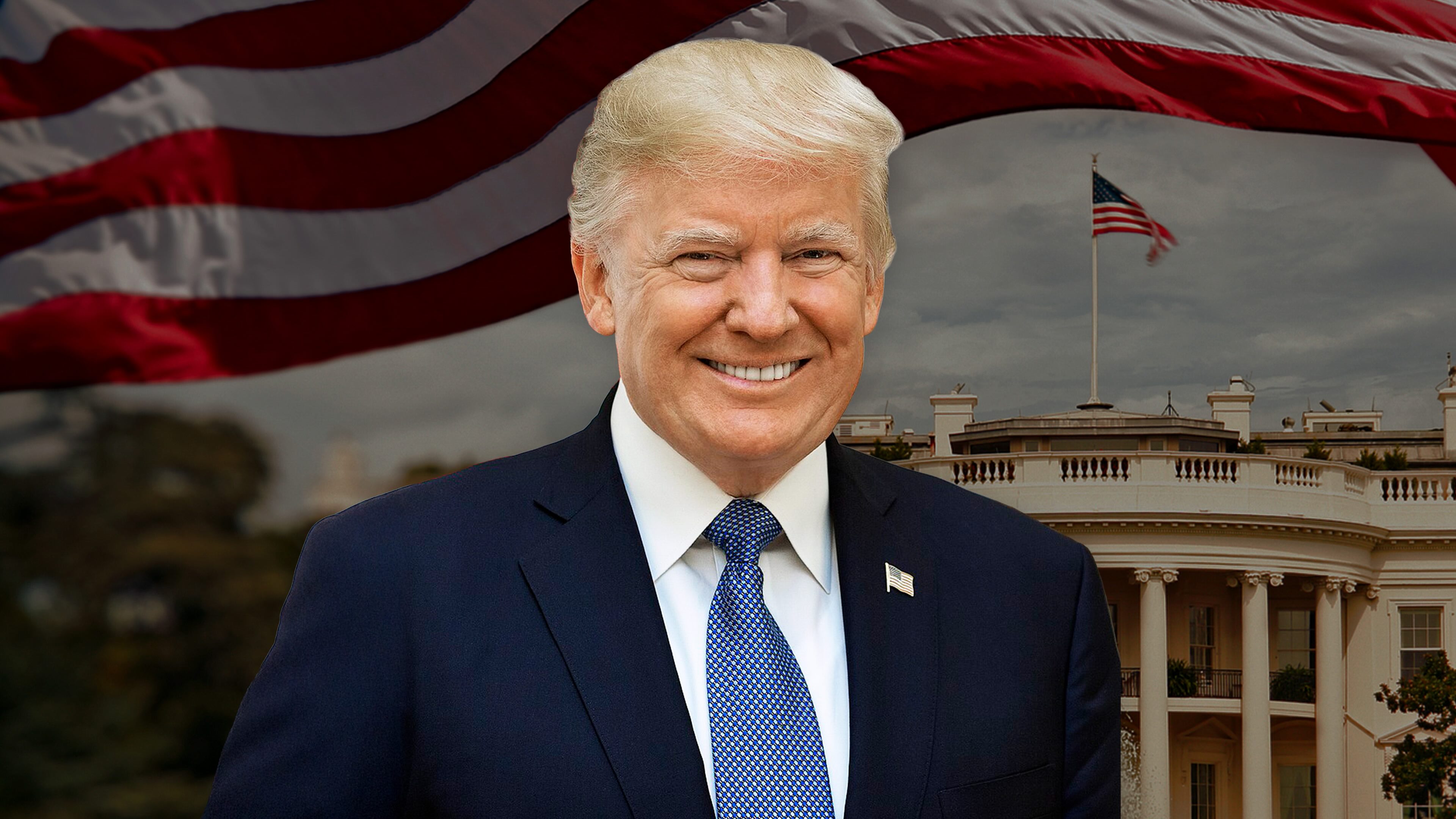
The dual rationale offered by the White House highlights the strain of a Middle Eastern war on Pacific security. While Trump cited South Korea’s refusal to engage in Gulf operations, the foreign ministry in Seoul countered that it has consistently participated in international efforts to stabilize the Strait of Hormuz—a vital artery for its own energy needs. To frame this as a lack of cooperation ignores the reality that South Korea’s primary security burden remains the nuclear-armed threat on its own border, where 28,500 American troops are currently stationed.
By tethering the Pacific military posture to the outcome of the Iran conflict, the administration has inadvertently signaled that long-standing alliance commitments are now transactional. This shift is being scrutinized closely in Beijing and Pyongyang. Retired general Chun In-bum noted that China and North Korea are the primary beneficiaries of such public friction. For Kim Jong Un, the reduction serves as proof that personal diplomacy with Washington can yield tangible concessions, while for China, it reinforces a perception of American strategic distraction. As the Iran war continues to consume diplomatic bandwidth and carrier capacity, the broader architecture of Pacific deterrence faces a quiet, structural erosion that hardware alone cannot patch.


Comments (0)
No comments yet. Be the first!