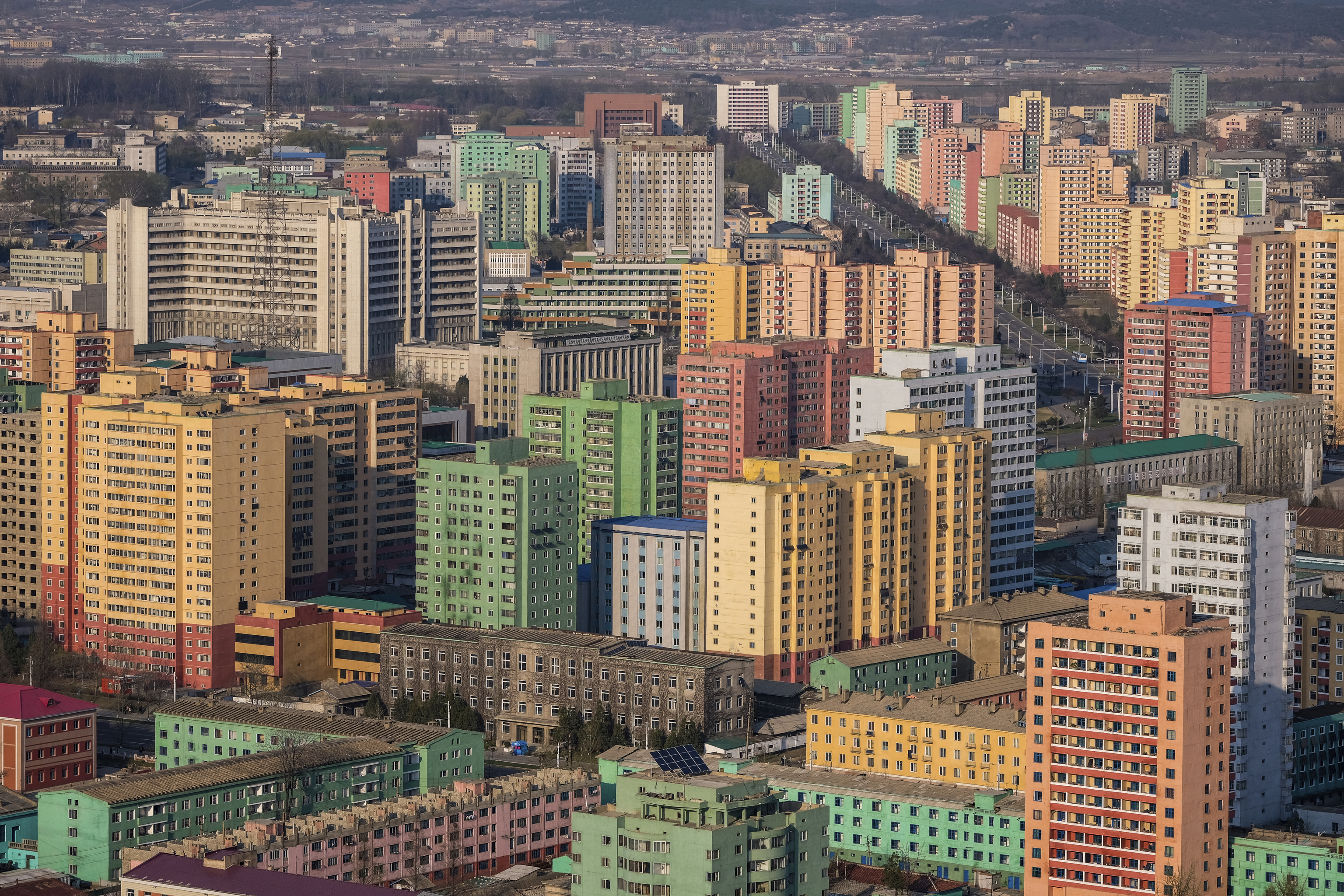
The surge in activity stems from a state-led development agenda paired with rising export demand for munitions. Manufacturing supply chains have tightened to meet the requirements of the war effort in Russia, while an influx of Russian tourists and improved transport links have revitalized local service sectors. Beyond trade, Pyongyang has bolstered its foreign currency reserves through the deployment of laborers and troops abroad, creating a significant revenue stream that offsets traditional economic isolation.
Despite this uptick, the North Korean economy remains a fraction of its southern neighbor’s output. Last year’s nominal gross national income reached 48.5 trillion won, roughly 34 billion dollars—a figure representing only 1.8% of South Korea’s total economic footprint. These estimates, compiled by the Bank of Korea since 1991, rely on intelligence and trade data in the absence of transparent reporting from Pyongyang.


Comments (0)
No comments yet. Be the first!