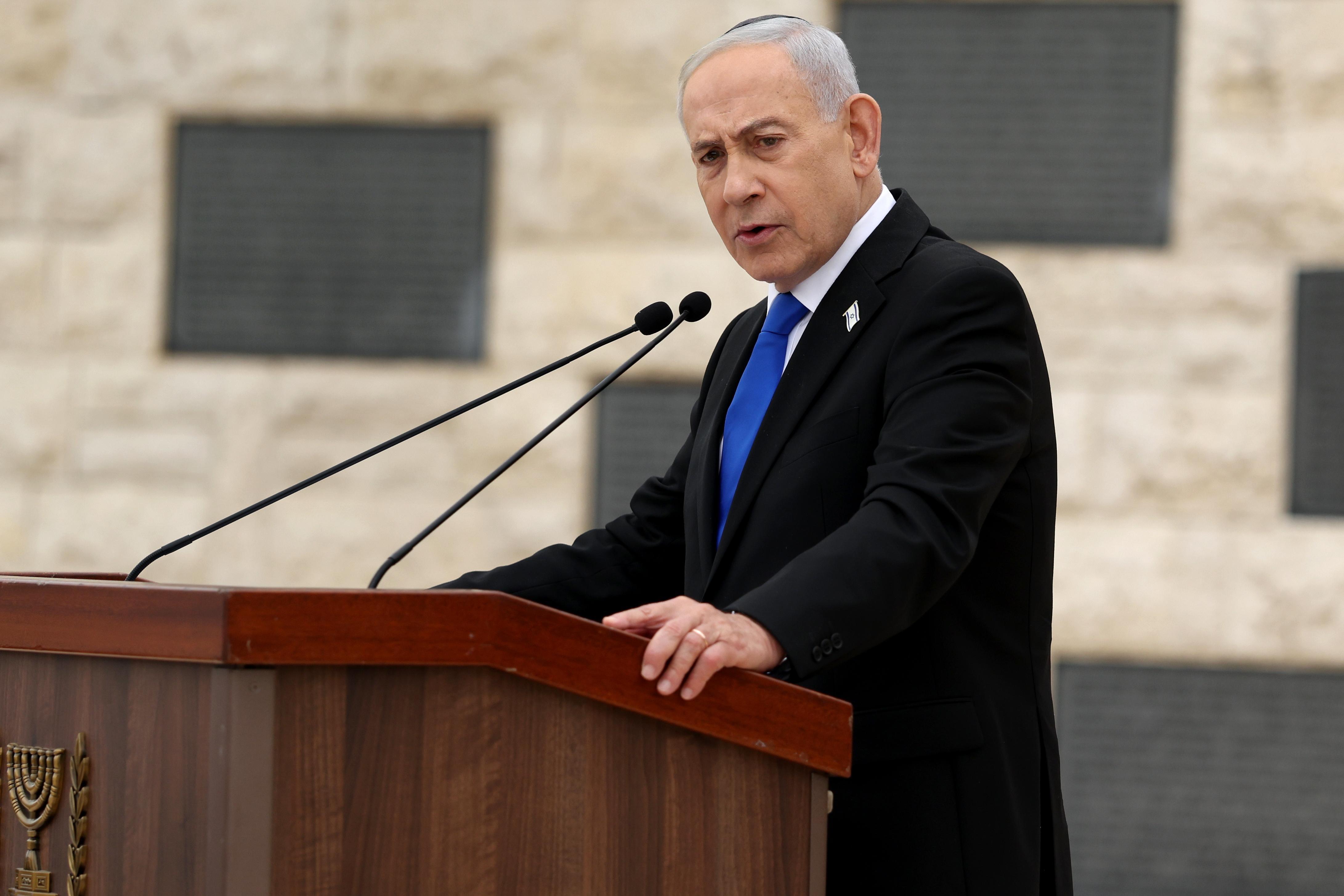
President Isaac Herzog is currently tasked with navigating this impasse, holding consultations with party leaders to identify a candidate capable of securing a parliamentary majority. Should these efforts falter, Israel risks a cycle of repeat elections, a prospect Herzog has explicitly urged politicians to avoid. The political landscape is fraught with competing strategies, none of which currently guarantee a stable path forward.
A unity government represents one potential, albeit difficult, resolution. By aligning Likud with centrist and right-wing opposition factions—including Gadi Eisenkot’s Yashar, Avigdor Lieberman’s Israel Our Home, and Naftali Bennett’s Together—a coalition could command 66 seats. However, such a move requires Netanyahu to abandon his traditional ultra-Orthodox allies and opposition leaders to break their core campaign pledges to unseat him. Alternatively, Eisenkot could attempt to form a minority government. By leveraging the support of 48 seats from centrist blocs and securing parliamentary backing from the 19 seats held by the Arab parties Ra’am and the Joint List, he could reach a 67-seat majority. This path faces immense friction, particularly regarding public sentiment toward Arab party influence following the October 7, 2023, attacks.
Netanyahu is also exploring ways to rebuild his right-wing bloc from its current 53-seat position. While he has a history of inducing defections from rival camps, the current opposition remains largely unified by the specific goal of ending his long-standing premiership. Until a formal agreement emerges from these negotiations, the nation remains in a state of deep political uncertainty, waiting to see if rivals will prioritize national stability over their campaign-trail promises.


Comments (0)
No comments yet. Be the first!