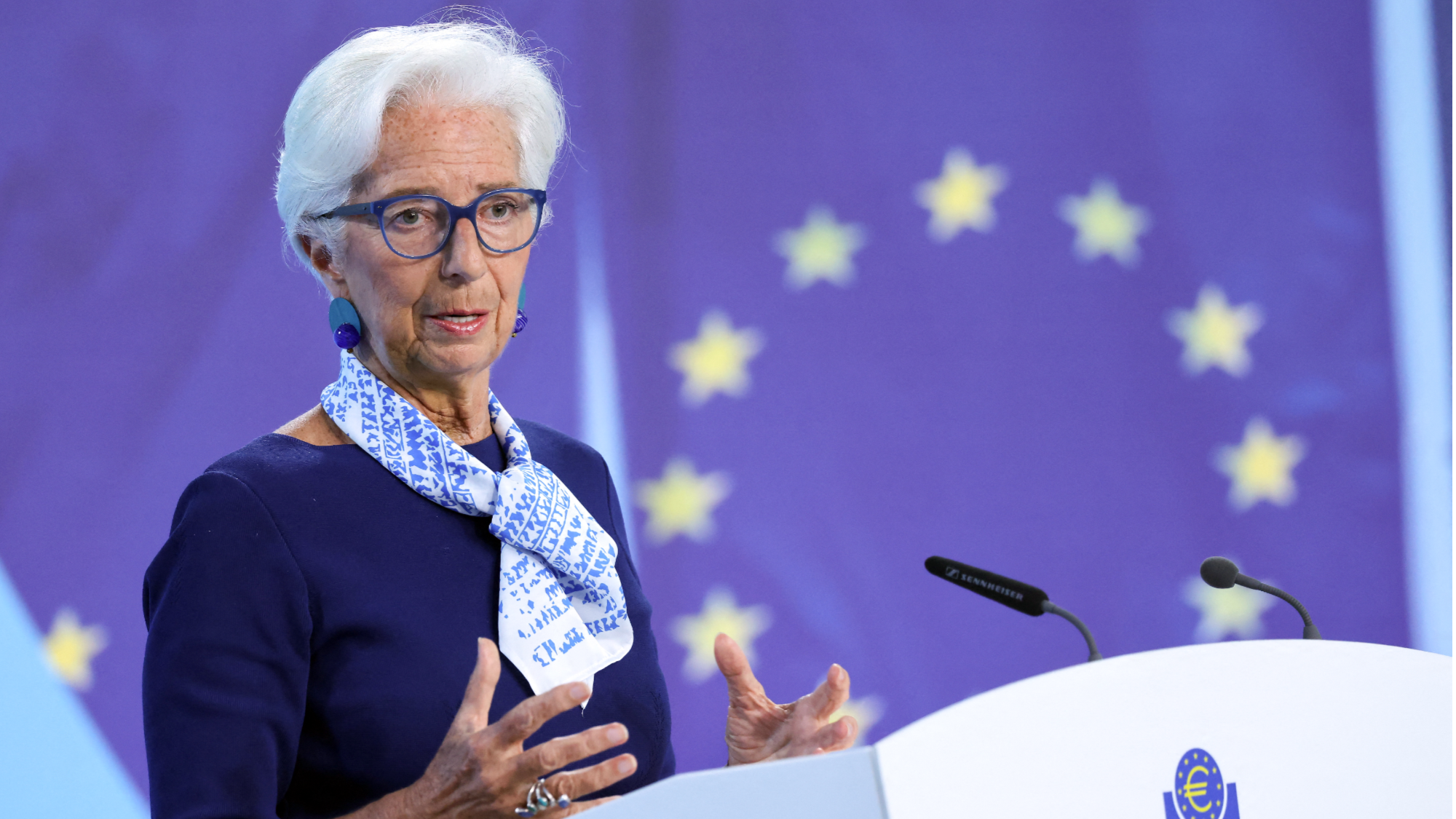
Lagarde informed the Governing Council and European Council President António Costa of her decision, ending months of speculation regarding her tenure. Her exit strategy appears designed to bypass the volatility of the French election cycle, where polling suggests a strong challenge from far-right candidate Marine Le Pen. Potential successors already circulating in financial circles include former Dutch central bank governor Klaas Knot and former Bank of Spain governor Pablo Hernández de Cos.
The timing of her departure coincides with a precarious economic environment for the eurozone. The ECB is currently grappling with renewed inflationary pressures fueled by rising energy costs linked to the conflict in Iran. These external shocks threaten to force the bank into maintaining restrictive monetary policy, even as it attempts to avoid stifling economic growth. Simultaneously, rising government bond yields are creating fiscal tension, particularly in France, where higher borrowing costs for the state and private sector are beginning to weigh on market stability.
While Lagarde remains at the helm for the coming months, the focus is shifting toward the selection process for the next leader. The incoming president will face the dual burden of maintaining the bank's independence while navigating a fragmented fiscal landscape. As the ECB prepares for its next rate decision, the looming leadership transition adds a layer of uncertainty to an institution already tasked with balancing inflation control against the risk of a regional economic slowdown.



Comments (0)
No comments yet. Be the first!