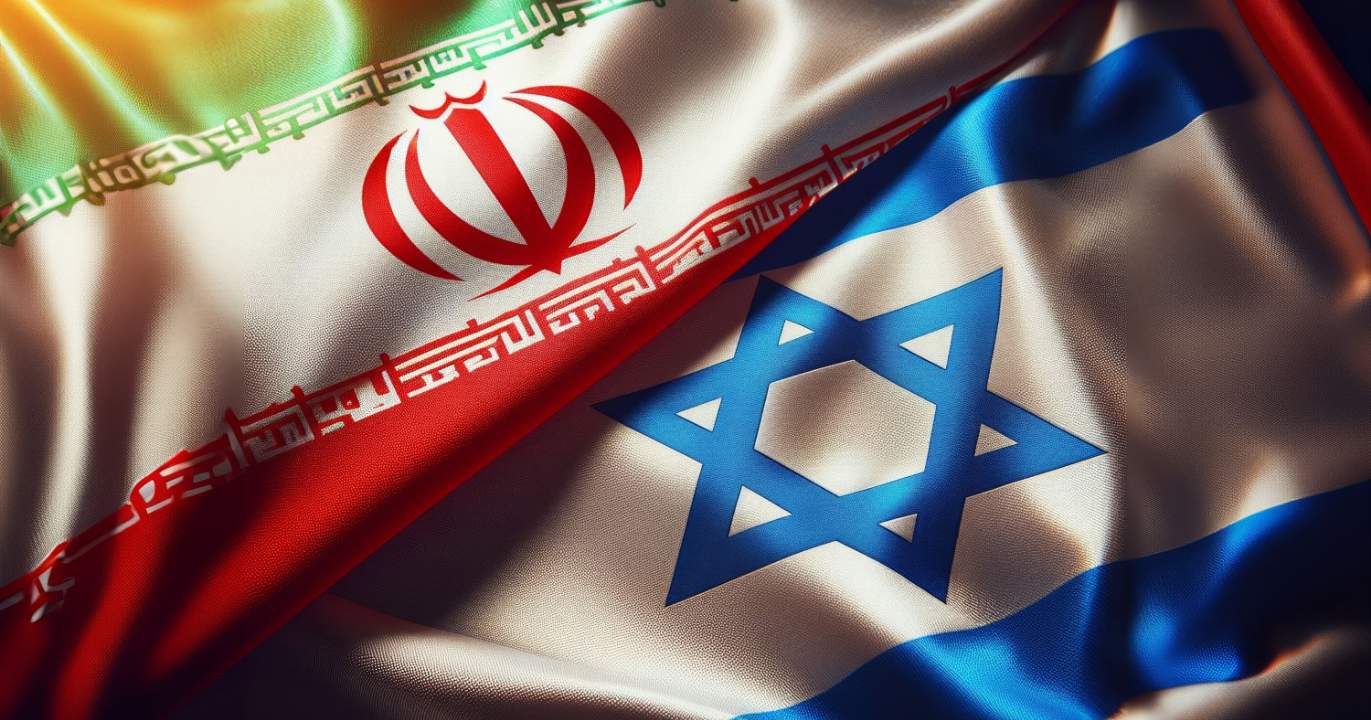
For decades, regional security was understood through the prism of clear-cut alliances and binary choices. However, the current landscape reveals a shift in security logic: states are moving away from total reliance on a single external patron. This transition is not a sign of indecision, but a calculated strategy to maintain maneuverability in an era where no single superpower can guarantee absolute security. Saudi Arabia, for instance, simultaneously pursues security guarantees from Washington, economic ties with Beijing, and diplomatic engagement with Tehran.
The Shift Toward Strategic Flexibility
This trend is echoed across the region, from the United Arab Emirates to Qatar and Oman. These nations treat diplomacy as a source of power rather than a mere tool for crisis resolution. By refusing to let the Iran-Israel rivalry dictate their foreign policy, these governments are attempting to insulate their national interests from the volatility of external power struggles. The emerging reality is that security is no longer defined solely by military alignment, but by the ability to manage multifaceted relationships. As power becomes more dispersed, the capacity to adapt to shifting geopolitical tides has replaced the outdated model of fixed, exclusive security pacts.




Comments (0)
No comments yet. Be the first!