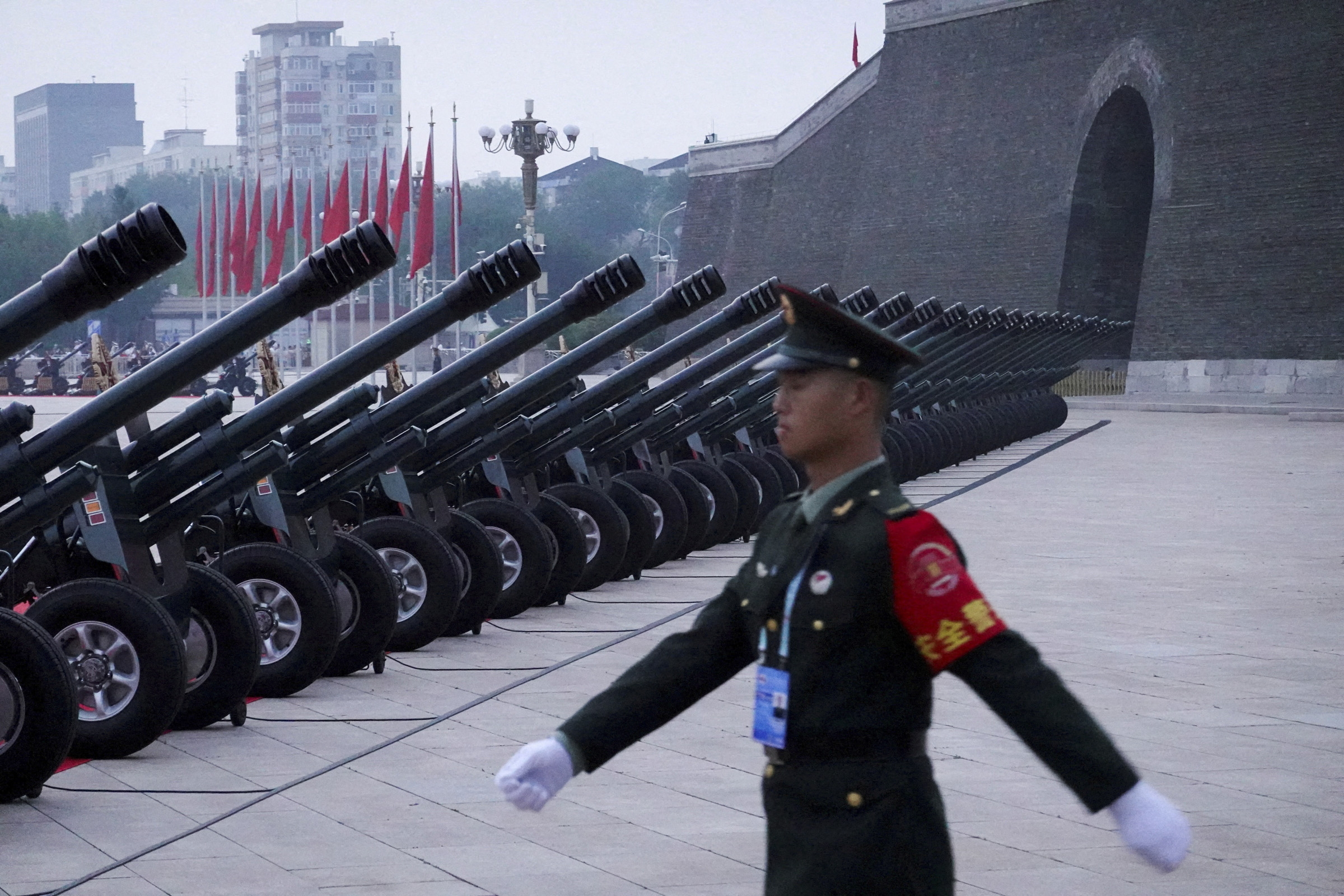
The People’s Liberation Army, currently marking its 99th anniversary, has intensified its diplomatic efforts to warn European partners against deepening ties with the alliance. Chinese military leadership characterizes NATO’s growing engagement with nations like Japan and Australia as a dangerous militarization that risks creating destabilizing military blocs. According to Beijing, such interventions are incompatible with a multipolar world order and threaten to draw Europe into unnecessary confrontations in the Indo-Pacific.
Beyond regional security, the friction centers on a deepening technological and cyber struggle. NATO has increasingly focused on monitoring Chinese advancements in artificial intelligence and semiconductor production, viewing these capabilities as potential threats to global supply chains and critical infrastructure. Beijing, conversely, asserts that these allegations serve as a pretext for economic containment. Chinese officials argue that by prioritizing US strategic agendas, European nations are undermining their own long-term economic and technological security. As the competition for digital dominance accelerates, the divide between the two sides has hardened, with both Beijing and Brussels navigating a complex landscape of mutual caution and strategic competition.




Comments (0)
No comments yet. Be the first!