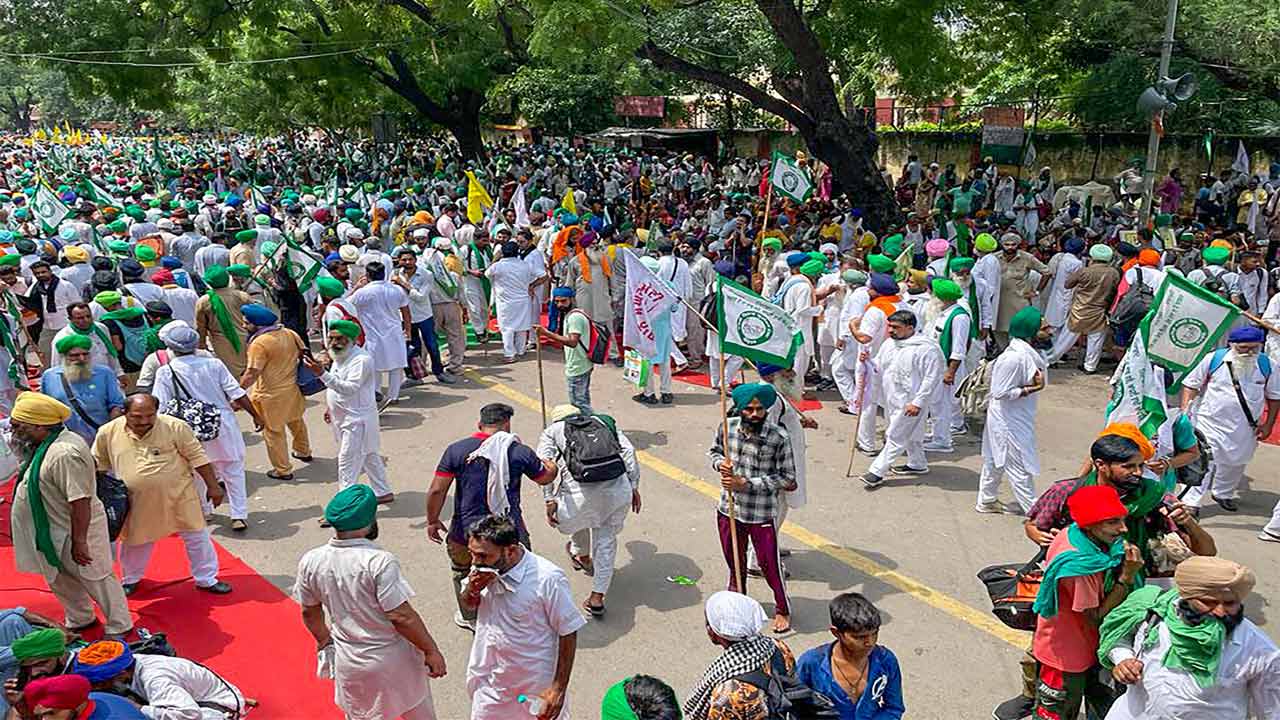
The movement’s catalyst was the cancellation of the 2026 NEET-UG medical entrance exam, which affected nearly two million students after question papers leaked on WhatsApp. While the immediate anger focuses on education, the unrest is the culmination of years of systemic corruption across recruitment boards. Young Indians are no longer protesting a single flawed test; they are rejecting a socioeconomic system where institutional negligence has replaced the promise of meritocracy. This shift marks a transition from a demographic dividend to a demographic debt, as millions find themselves adrift in a labor market that cannot absorb them.
Unlike previous mobilizations, the Cockroach Movement defies the BJP’s traditional strategy of communal fragmentation. Protesters at Jantar Mantar represent a diverse coalition of Hindus, Muslims, Sikhs, Christians, and Dalits, united by the shared experience of institutional failure. By framing their grievance as universal rather than sectarian, the movement has neutralized the government’s standard tactic of labeling dissent as anti-national or communal. The organizational structure is equally elusive; operating without a central committee, the movement utilizes social media to document state repression in real-time, effectively turning videos of police baton charges into recruitment tools rather than deterrents. As the government struggles to contain a decentralized force that lacks a headquarters to raid or a leadership to arrest, it faces a profound crisis of legitimacy that echoes the recent Gen Z-led uprisings in Bangladesh and Nepal.


Comments (0)
No comments yet. Be the first!