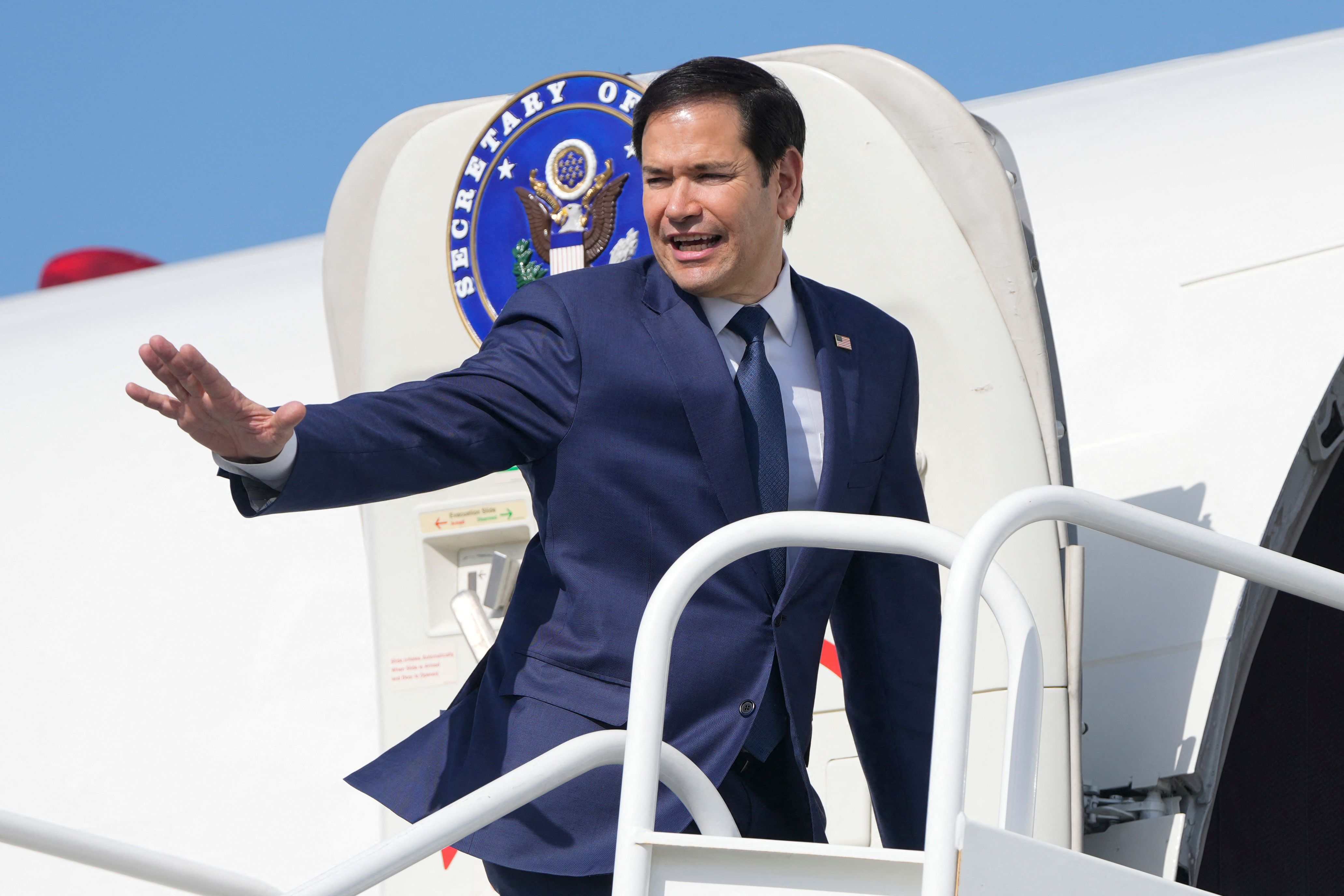
Rubio placed the burden of current Middle Eastern instability squarely on Iran, warning that any move by Tehran to control the Strait of Hormuz would trigger severe global consequences. His rhetoric resonated with ASEAN ministers, who remain increasingly wary of the weaponization of trade routes. These concerns are compounded by Beijing’s persistent, expansive territorial claims in the South China Sea, which continue to provoke friction among regional neighbors.
While China officially called for restraint and urged nations to avoid further escalation, the atmosphere behind closed doors remained heavy with skepticism. Australia led criticism regarding the current geopolitical maneuvering, highlighting a growing divide over how to manage influence in the Indo-Pacific. For the ASEAN bloc, the challenge lies in balancing these competing superpowers while protecting their own security interests and maintaining stable trade pathways.


Comments (0)
No comments yet. Be the first!