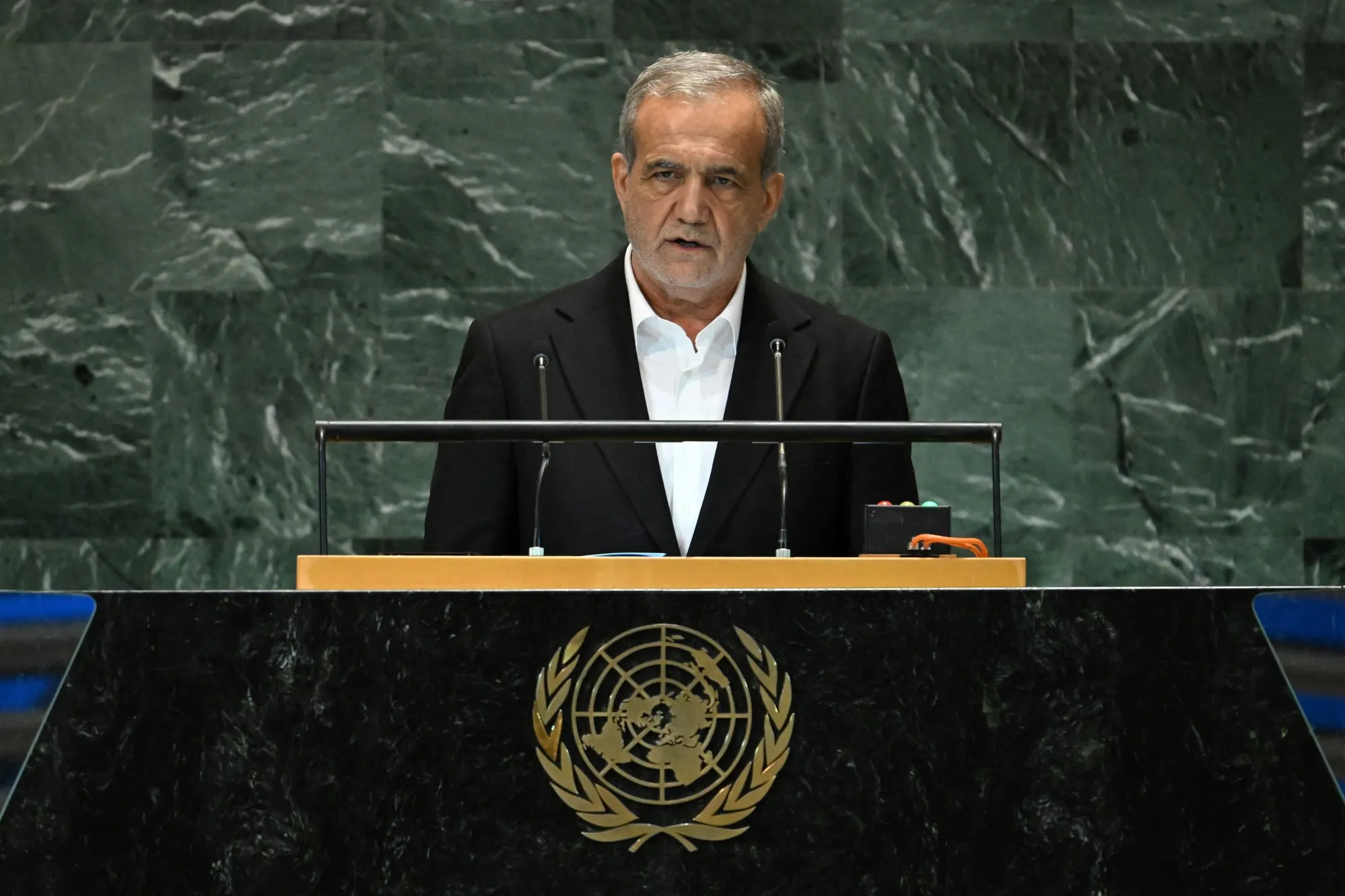
Shipping through the vital waterway has effectively stalled after Iran targeted another tanker, forcing the crew to abandon ship. The conflict has moved beyond military strikes, with both nations increasingly targeting civilian infrastructure. Iranian President Masoud Pezeshkian confirmed the gravity of the situation during a meeting of the Supreme Judicial Council, declaring that the Islamic Republic is engaged in a full-scale war. He emphasized that the struggle now centers on the nation’s economy and the livelihoods of its citizens rather than just tactical missile exchanges.
As the military deadlock persists, Iran’s interior minister has traveled to Pakistan to seek mediation, though prospects for a new ceasefire remain slim. The U.S. government’s latest advisory warns Americans outside the Middle East to reconsider travel, highlighting the heightened threat to diplomatic facilities and sites associated with U.S. interests globally. With roughly a fifth of the world’s crude oil and natural gas trade historically flowing through the Hormuz bottleneck, the sustained closure threatens to trigger broader economic repercussions beyond the immediate theater of war.


Comments (0)
No comments yet. Be the first!