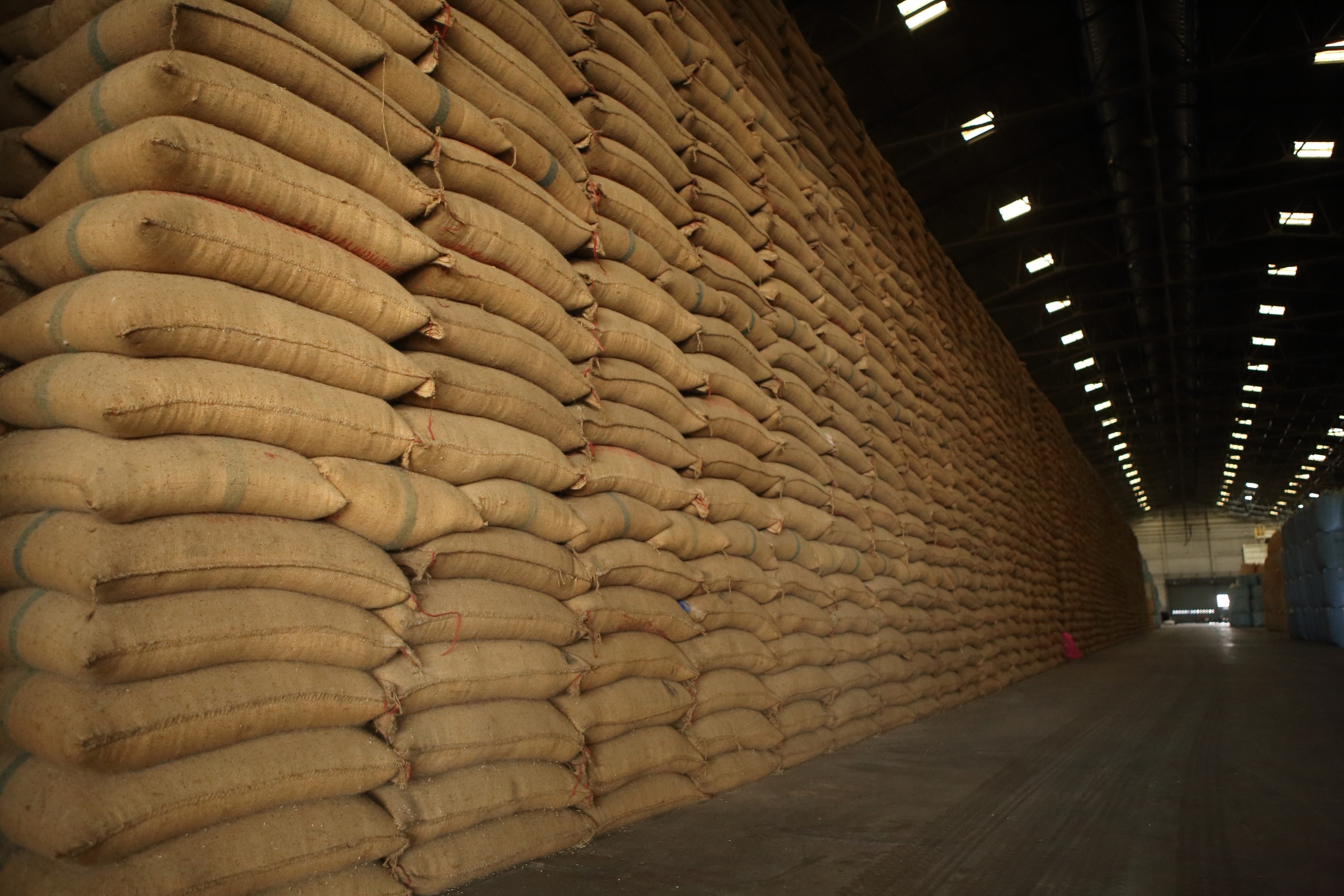
The current global AI discourse is fixated on technological prestige—large language models and massive data centers—while ignoring the urgent need for systems that address immediate, tangible threats. For many developing nations, the most pressing risk is not missing out on an AGI race, but failing to anticipate food supply shocks caused by climate volatility, export restrictions, or logistical bottlenecks. A country might boast sophisticated digital infrastructure while remaining unable to connect the fragmented signals that precede a famine.
To bridge this gap, the Global South must prioritize 'proximate-risk AI,' which integrates satellite imagery, weather forecasts, and local market data to provide actionable warnings. Southeast Asia provides a viable blueprint for this approach. By utilizing the existing ASEAN Food Security Information System (AFSIS) as a sensing layer and the Digital Economy Framework Agreement (DEFA) for interoperability, regional powers can create a shared, verifiable intelligence network. Implementing a permissioned blockchain could ensure that critical data remains transparent and immune to unilateral manipulation.
Developing nations possess an inherent advantage: they hold the 'ground truth' of their own agricultural and social systems. By organizing these fragmented insights into a cohesive, locally governed AI strategy, they can reduce dependency on foreign donors and vendors. True technological sovereignty in the emerging AI order will not be measured by the size of a nation's compute capacity, but by its ability to identify and mitigate existential shocks before they reach the kitchen table.



Comments (0)
No comments yet. Be the first!