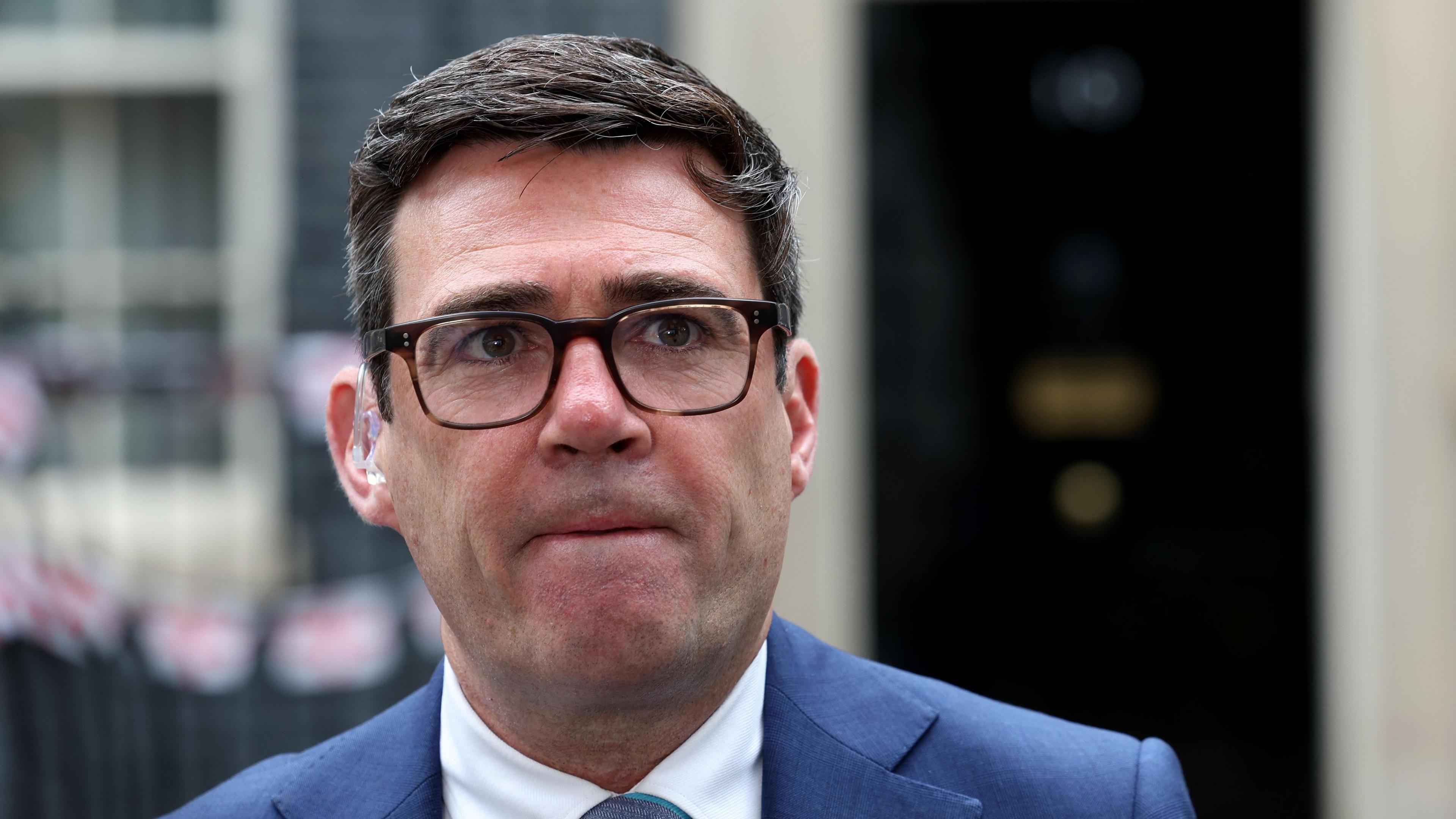
The strategy relies on a modern application of the "Nixon in China" theory. Just as Richard Nixon’s anti-communist credentials allowed him to pivot toward Beijing without political blowback, Burnham’s deep roots in the Labour left could grant him the freedom to enact fiscally conservative measures. Reforms to welfare, pensions, and public spending—often viewed as untouchable for a Labour leader—might gain traction if framed as a necessary trade-off for long-term national investment.
Britain’s current economic landscape, defined by stagnant productivity and mounting debt, leaves little room for hesitation. Investors remain wary following the 2022 market volatility, making fiscal credibility a prerequisite for any growth agenda. Burnham’s reputation as a persuasive communicator provides a stark contrast to Starmer’s tenure, potentially offering a vehicle to sell unpopular but vital structural changes to a skeptical public. Whether he is willing to spend his political capital on such friction-heavy policies remains the defining question for a potential premiership.


Comments (0)
No comments yet. Be the first!