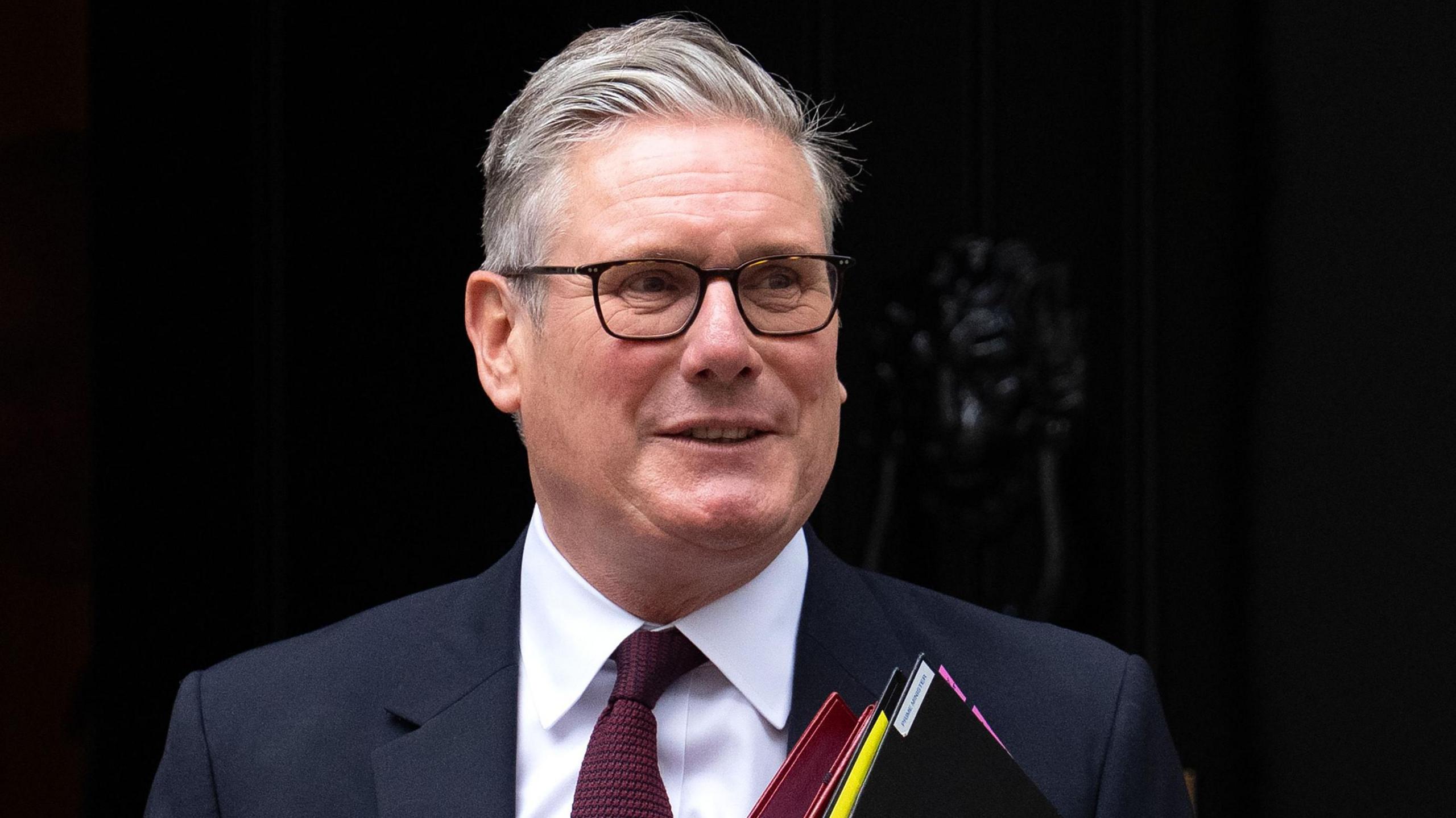
Starmer’s exit follows months of mounting pressure and a pivotal parliamentary victory by Andy Burnham in Makerfield last Friday. By defeating a Reform UK candidate, Burnham demonstrated a political appeal that Starmer, frequently criticized for a detached leadership style, struggled to maintain. Addressing the public from the steps of his office, an emotional Starmer acknowledged the consensus within his parliamentary party: it was time for new direction.
Labour’s internal machinery is now moving to finalize a successor. Nominations open July 9, with a potential leadership contest concluding by September. However, momentum is building for a seamless coronation of Burnham, particularly after former health minister Wes Streeting publicly pledged his support. Financial markets responded favorably to the news, as both the pound and government bonds rallied on the prospect of a more certain political path.
Despite the push for stability, the transition carries significant risks. Reform UK leader Nigel Farage has already seized on the vacuum, calling for an immediate general election and labeling the potential handover as a continuation of political stagnation. Whoever succeeds Starmer faces a daunting landscape: the highest borrowing costs in the G7, sluggish economic growth, and a skeptical electorate weary of broken promises. While Burnham has signaled a focus on the cost of living, his specific stance on defense, foreign policy, and fiscal strategy remains largely undefined.


Comments (0)
No comments yet. Be the first!