The path to this moment is paved with a decade of economic stagnation and political fracture. Following the 2016 decision to exit the European Union, the country cycled through a series of leaders—David Cameron, Theresa May, Boris Johnson, Liz Truss, and Rishi Sunak—each grappling with the fallout of the referendum. The promised stability of post-Brexit sovereignty often collided with the harsh realities of high national debt and an aging welfare system.
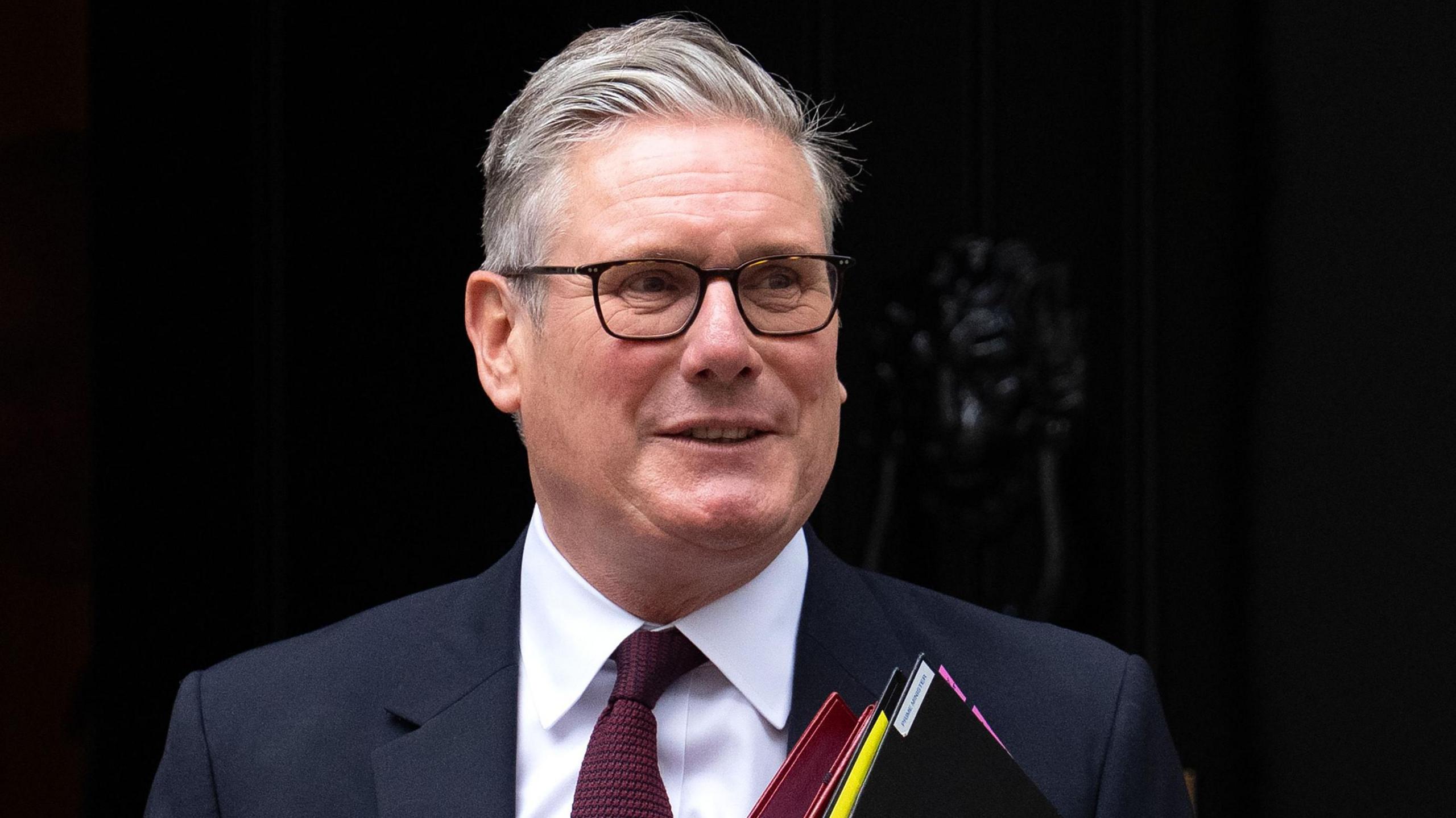
Starmer’s administration, which began with a landslide victory in July 2024, struggled to maintain momentum against an backdrop of fiscal tightening and internal dissent. His tenure was marked by a controversial tax-heavy budget, the fallout from the appointment of Peter Mandelson as ambassador to Washington, and a series of high-profile ministerial resignations, including Health Minister Wes Streeting. By the time local election losses hit in May 2026, the government’s grip on power had effectively eroded. With Reform UK surging in the polls and key party figures like Greater Manchester Mayor Andy Burnham emerging as potential alternatives, the Labour leadership found itself unable to contain the growing pressure from within and outside its ranks.


Comments (0)
No comments yet. Be the first!