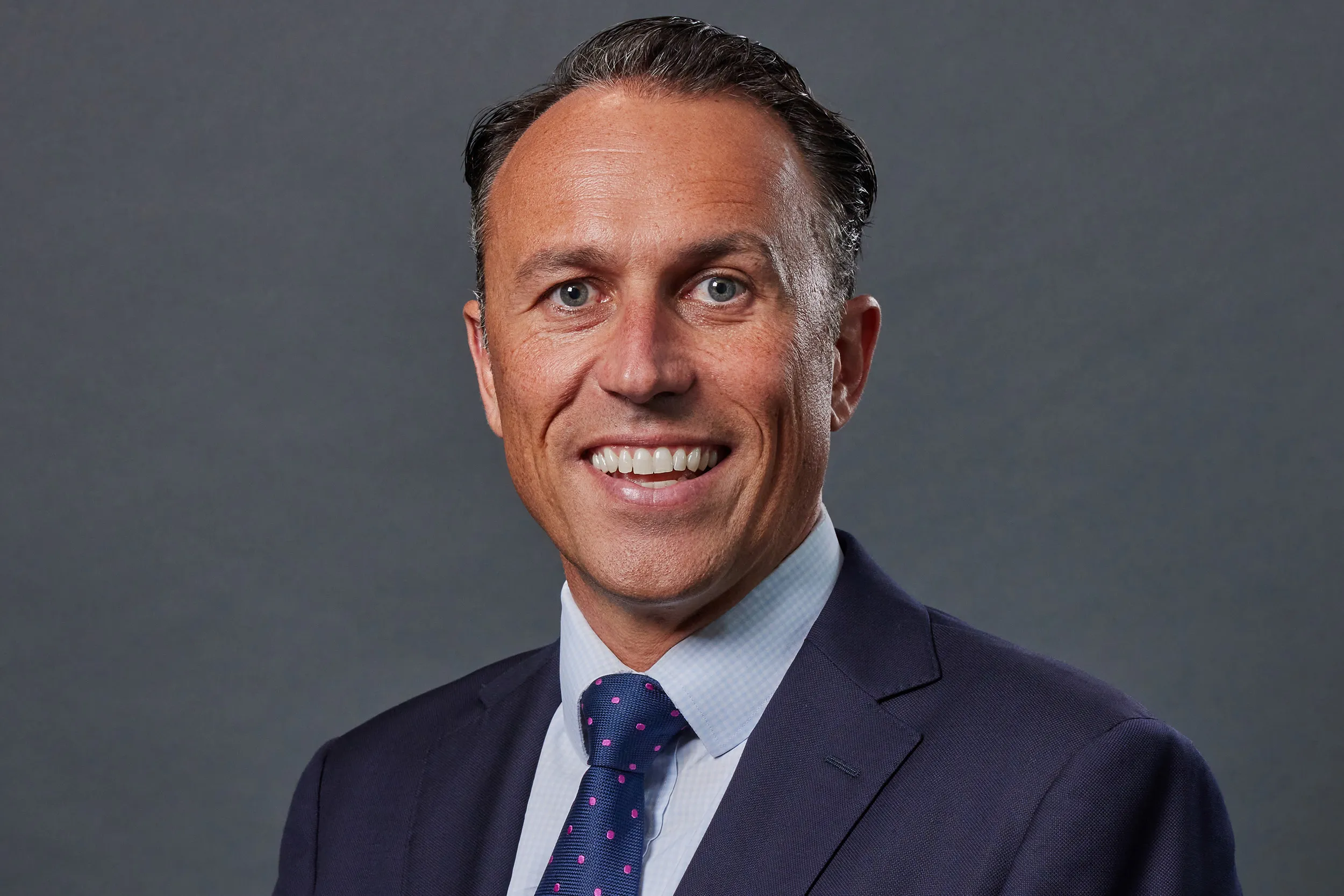
Unlike private credit, the senior loan market relies on a high-velocity ecosystem where banks syndicate debt to collateralized loan obligation vehicles and institutional funds. This structure supports a daily trading volume of roughly $4 billion, offering liquidity that many alternative credit products lack. For Caraher, who oversees $30 billion in assets, the strategy hinges on rigorous active management. His team of 15 sector analysts maintains a granular focus on credit quality, a necessity when navigating the complexities of single-B rated issuers.
Despite concerns over a shifting credit cycle and competitive yields in U.S. Treasuries, the case for senior loans remains rooted in their defensive utility. Historical data shows that these loans exhibit a moderate 0.59 correlation with U.S. equities and a significantly lower 0.23 correlation with the broader bond market. By reducing portfolio duration, the asset class acts as a stabilizer during periods of rising rates. Caraher emphasizes that this is not a tactical play but a strategic allocation, noting that while passive vehicles often falter, the direct communication his team maintains with issuers allows for precise risk mitigation and consistent performance, even when market conditions tighten.




Comments (0)
No comments yet. Be the first!