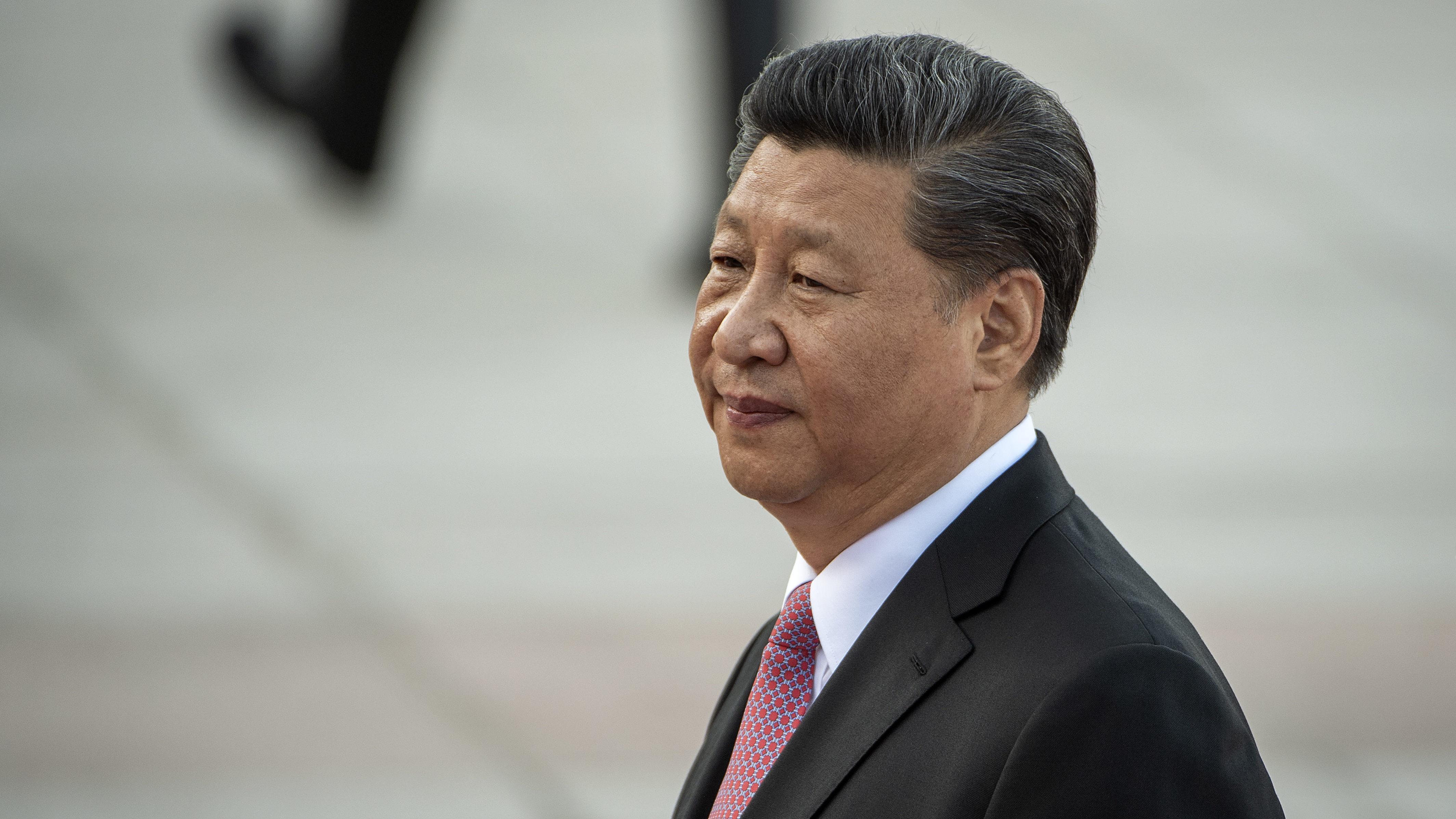
The diplomatic overture comes as Beijing seeks to protect its massive energy and commercial interests from the fallout of the ongoing conflict involving the U.S., Israel, and Iran. With disruptions to the Strait of Hormuz driving up costs, Beijing is positioning itself as a mediator, planning to dispatch special envoys to dampen hostilities. While China traditionally maintained a low-profile stance in Middle Eastern security, its reliance on Gulf energy imports has necessitated a more assertive diplomatic footprint.
Sultan Haitham’s visit—the first by an Omani head of state since 1978—underscores the deepening integration between China and the Gulf. Beyond security, the two leaders focused on economic expansion, with Muscat pushing for a preferential trade agreement to bolster its role as a key energy and investment partner. While China remains the largest trading partner for Oman, the challenge lies in translating high-level rhetoric into tangible de-escalation. Beijing shows little appetite for assuming a direct security role or dismantling the existing regional architecture, preferring instead to leverage its economic influence to stabilize corridors essential for its global trade network.



Comments (0)
No comments yet. Be the first!