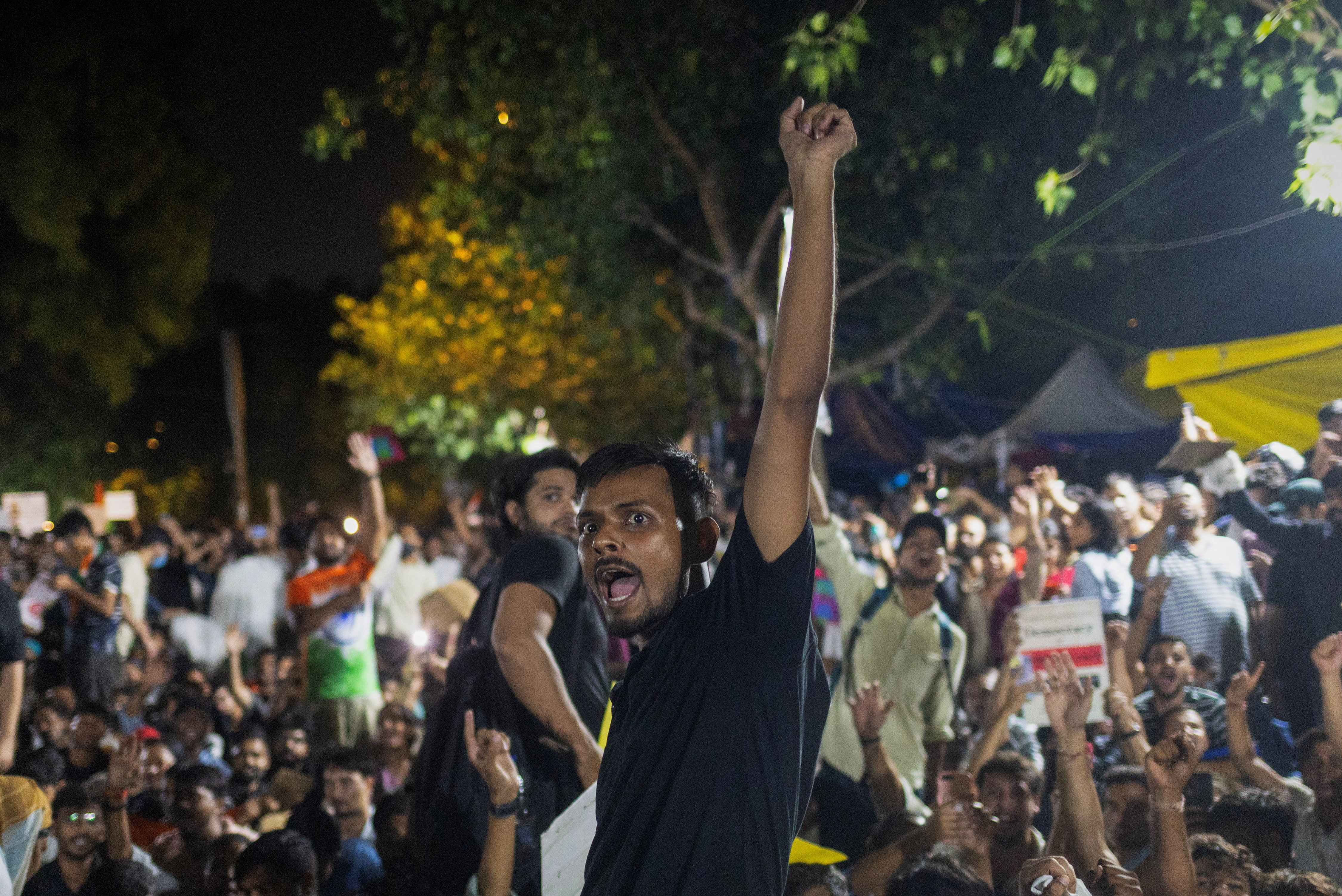
The movement’s trajectory began with a satirical backlash against a Supreme Court justice’s disparaging remarks, quickly gaining momentum after the NEET-UG medical exam was compromised by leaks. Initially, the state responded through traditional bureaucratic channels, sacrificing Education Minister Dharmendra Pradhan to placate public anger. This concession revealed that the government is capable of absorbing pressure when the issue is framed as a failure of administrative competence rather than a challenge to political legitimacy.
However, the crackdown intensified as the movement pivoted toward the Special Intensive Revision of electoral rolls. Claiming that deletions disproportionately targeted marginalized communities, protesters faced a drastically different state response. By October, Delhi Police had detained thousands, employing preventive measures such as internet shutdowns and blanket bans on public assembly under Section 163. While the Ministry of External Affairs dismissed UN expert criticism as selective interference, the state’s behavior indicates a recalibration of threat assessment. By policing dissent as a security crisis rather than a grievance to be addressed, the government risks closing the institutional channels that historically absorb social unrest. As youth-led movements in neighboring countries have shown, the danger lies not in the protests themselves, but in the potential for these grievances to harden when they find no outlet within the existing system.



Comments (0)
No comments yet. Be the first!