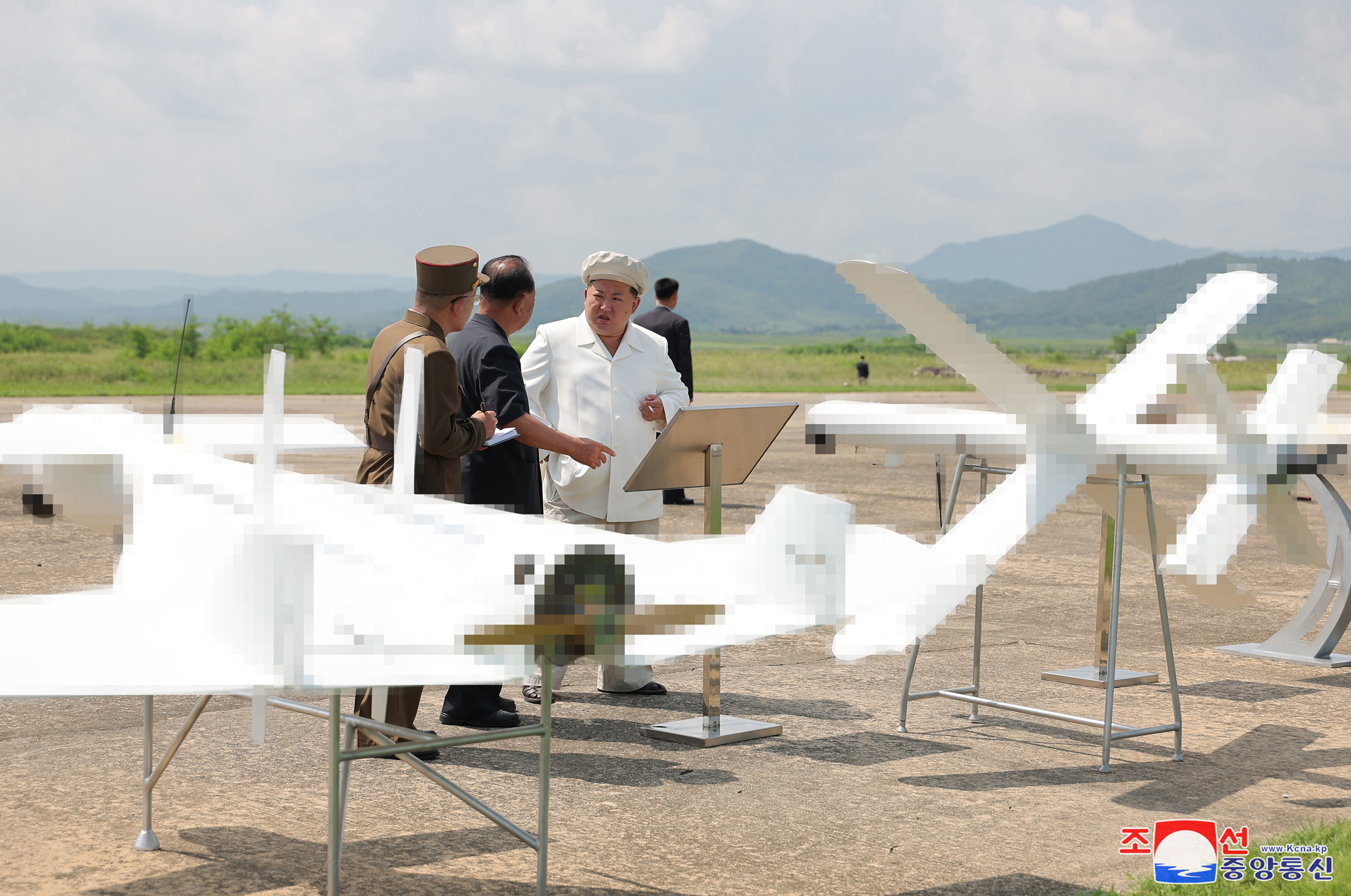
The military exhibition showcased a suite of unmanned technologies, including tactical cruise missiles and loitering munitions that bear a striking resemblance to the US-made Switchblade 600. By emphasizing these platforms, Pyongyang aims to deploy inexpensive, remotely operated weapons in volumes capable of overwhelming conventional air defenses. The mock targets on display—ranging from K9 howitzers to M1 Abrams-type tanks—underscore that these developments are specifically tailored for potential conflicts with South Korea.
This modernization push draws heavily from observations of the war in Ukraine. Having reportedly sent over 16,000 personnel to support Moscow since October 2024, North Korean forces are gaining firsthand experience in modern battlefield operations, electronic warfare, and drone-based targeting. Analysts suggest this exposure allows Pyongyang to test and refine its doctrine at a scale that domestic exercises cannot replicate. While the actual technological maturity of these AI-integrated systems remains unverified, the shift toward autonomous target identification and faster battlefield decision-making represents a departure from traditional remote-controlled platforms.
These advancements arrive during a period of acute instability along the inter-Korean border. Tensions have surged following landmine incidents in the Demilitarised Zone and intensified rhetoric regarding propaganda broadcasts. As Seoul and Washington grapple with a more technologically agile adversary, the fusion of North Korean missile capabilities with emerging AI and drone networks introduces new vulnerabilities for critical infrastructure and border security. Kim’s strategy now positions these unmanned systems as central pillars in his efforts to project power and deter regional rivals.

Comments (0)
No comments yet. Be the first!