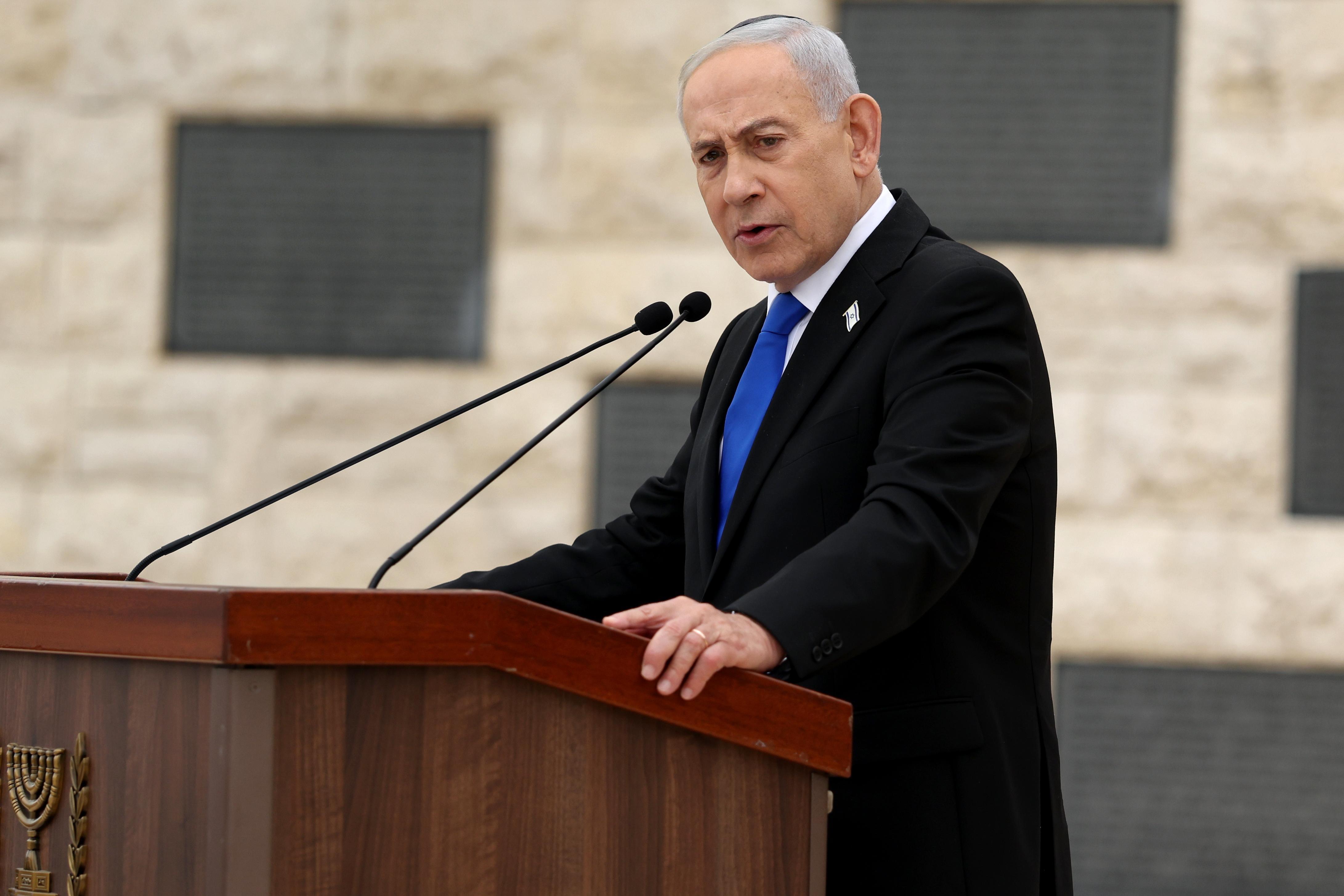
Netanyahu’s bloc captured 53 of the 120 seats, falling short of the 61 required to govern. Meanwhile, Gadi Eisenkot’s opposition alliance holds 48, and Arab-led parties secured a record 19 seats. This outcome leaves the country in a precarious stalemate, where the traditional power brokers must weigh the risks of unprecedented alliances against the threat of further electoral instability. Should President Isaac Herzog fail to find a viable coalition leader, Israel faces the prospect of yet another national vote, stalling critical legislative and security agendas.
While the political deadlock persists, the regional security landscape remains volatile. Both Netanyahu and Eisenkot maintain hardline stances on the conflict with Hamas and tensions with Iran, suggesting that a change in leadership would likely alter the tone of governance rather than the core strategic objectives. For India, which has cultivated a 'Special Strategic Partnership' with Israel centered on defense and technology, the uncertainty presents a diplomatic challenge. New Delhi must balance its deep ties with Jerusalem against its broader interests in the Gulf and Iran, particularly as regional instability threatens trade corridors like the I2U2 initiative. Ultimately, the stability of these international partnerships depends less on who occupies the prime minister's office and more on how the next government navigates a persistently hostile neighborhood.


Comments (0)
No comments yet. Be the first!