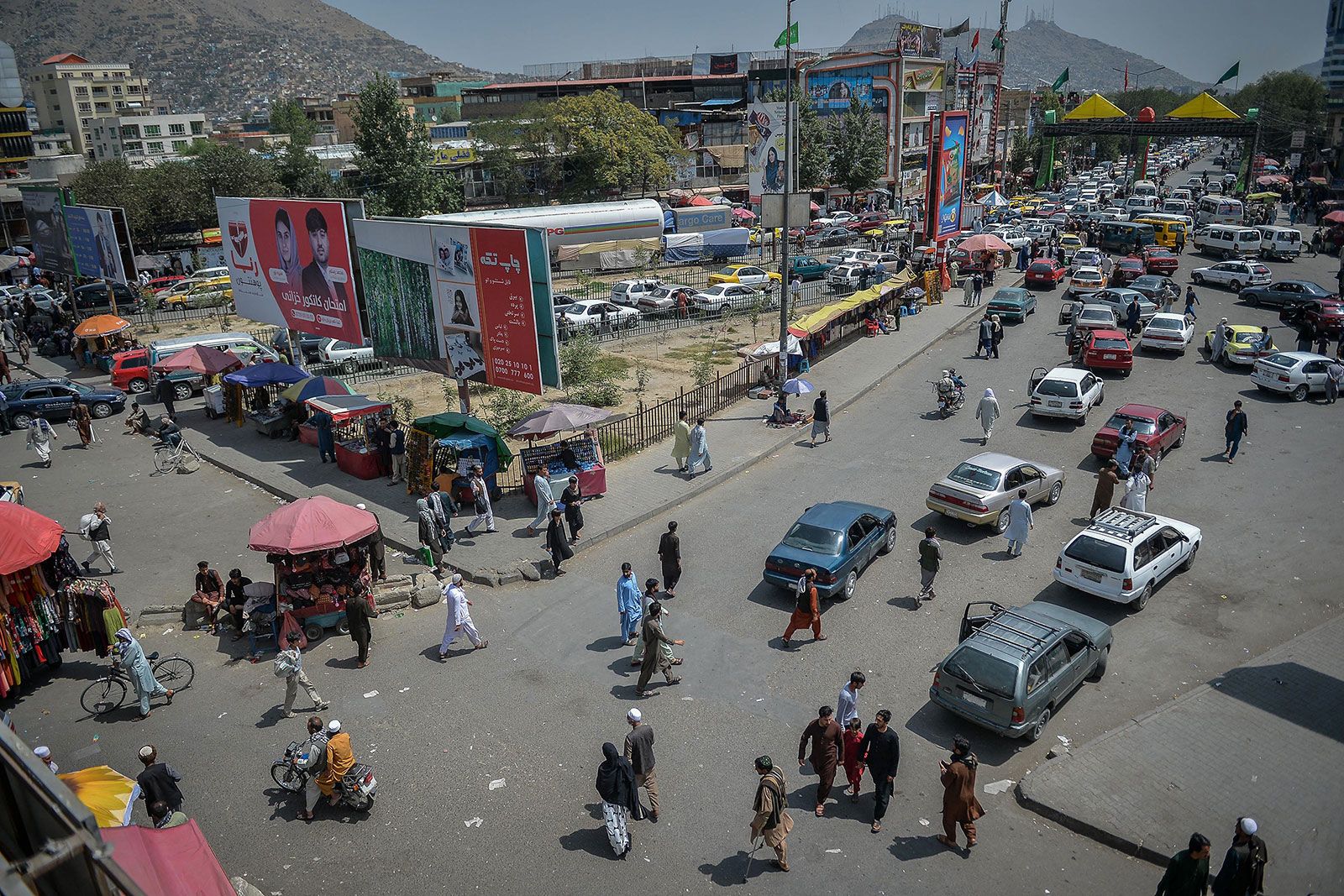
The current stability in Afghanistan is a textbook example of negative peace—a condition defined by the absence of organized violence rather than the presence of justice or social health. By centralizing authority, the Taliban has suppressed the insurgency that once characterized the nation, yet this order relies on the systematic exclusion of diverse political actors and the broader population. Without broad-based participation, governance remains brittle, masking deep-seated societal grievances that have not vanished, but merely shifted form.
Economic collapse and the deliberate marginalization of women underscore this instability. UN human rights officials have characterized the regime's restrictions on female education and public life as a form of gender apartheid, creating a society where millions are actively prevented from contributing to the nation's future. When deprivation is institutionalized through the denial of education, healthcare, and employment, it functions as a form of structural violence that is as corrosive as any battlefield conflict. True peace requires more than a quiet landscape; it demands a political and economic framework where dignity and rights are guaranteed. Unless these systemic injustices are addressed, the current quietude may prove to be merely a prelude to future unrest, as unresolved tensions historically evolve into new, often more destructive cycles of violence.

Comments (0)
No comments yet. Be the first!