The core of the impasse rests on a fundamental sequencing dispute. Washington insists that Iran’s nuclear program be integrated into the initial framework of any talks, reflecting long-standing concerns over potential capability expansion. Conversely, Tehran demands immediate relief from economic pressure, specifically the lifting of oil export sanctions and the removal of maritime blockades at its ports, as a prerequisite for any meaningful engagement.
Foreign Minister Abbas Araqchi confirmed that Iran remains in contact with intermediaries to evaluate alternative proposals, specifically those aligning with Tehran’s own seven-day plan for regional de-escalation. This signals that while diplomatic channels remain active, the two powers are locked in a struggle to define the parameters of the negotiation process before substantive concessions are even considered.
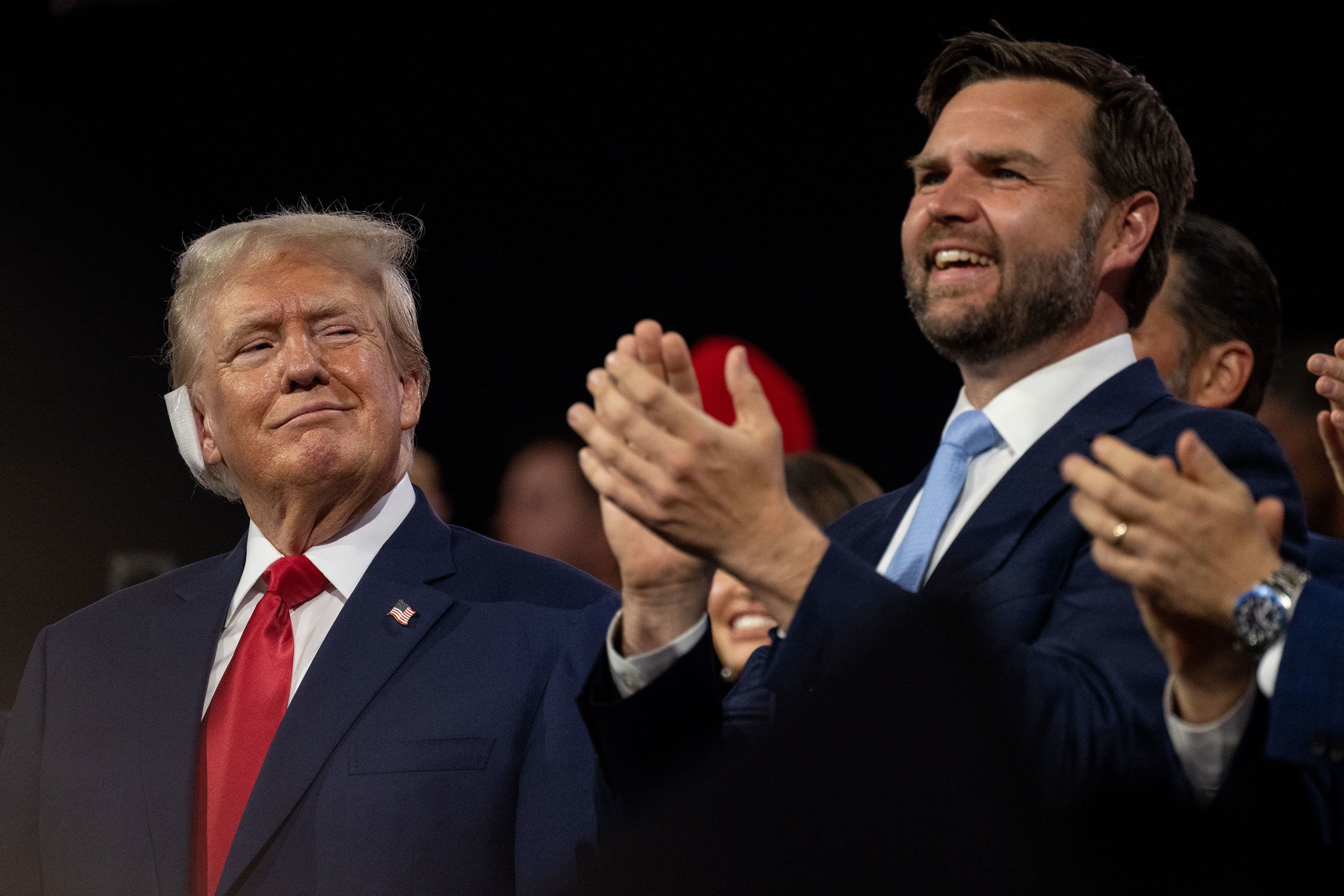
Adding to the complexity, recent signals from the White House have introduced further ambiguity. President Donald Trump addressed reports of outreach by Vice President JD Vance, characterizing the communication as limited to medical supplies rather than formal peace negotiations. This mixed messaging places increased pressure on Qatar to find a compromise that satisfies Washington’s demand for nuclear oversight and Tehran’s requirement for immediate economic relief. Without a breakthrough on this procedural deadlock, the current indirect diplomacy risks continuing as a cycle of proposals rather than a pathway to a formal settlement.
Comments (0)
No comments yet. Be the first!