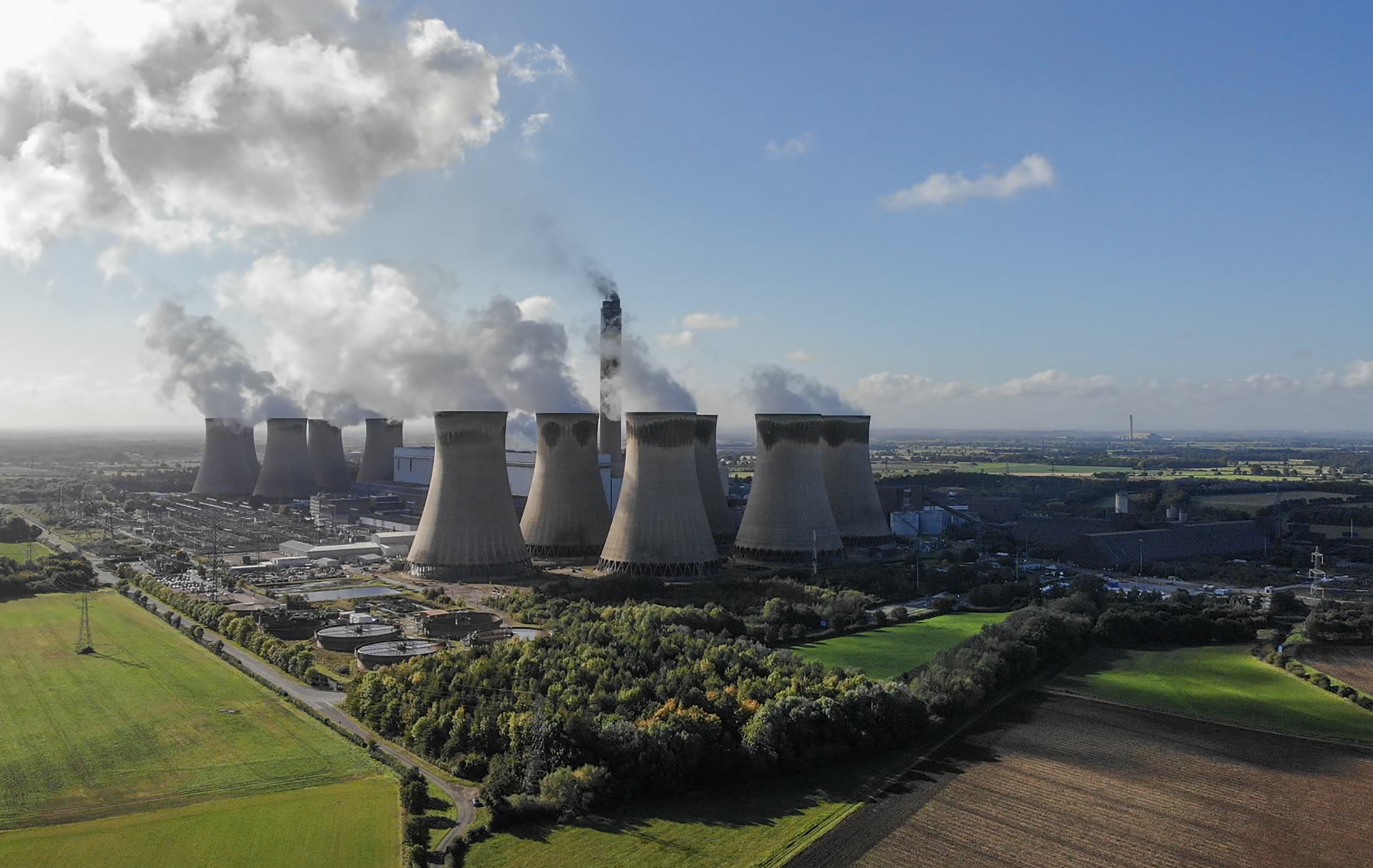
The analysis projects that fine particle pollution from electricity generation could triple if all planned data centers become operational, pushing soot levels to a peak unseen since 2006. Nitrogen oxide emissions, a primary driver of smog, face a potential 136 percent surge, while carbon dioxide output is expected to rise by 90 percent over 2025 levels.
Texas currently hosts 26 gigawatts of existing and under-construction data center capacity. While some developers consider installing onsite natural gas turbines to bypass grid constraints, researchers warn these facilities will exacerbate regional air quality issues. John Hall, chief executive of HARC, noted that these emission spikes pose a direct threat to public health improvements achieved over the last two decades.
Mitigation remains possible if the industry pivots toward cleaner energy. Integrating renewable power sources at data center sites could reduce nitrogen oxide emissions by up to ten times compared to fossil-fuel-reliant scenarios. While not all proposed projects are guaranteed to break ground, the findings indicate that without aggressive investment in renewable infrastructure, the AI boom will necessitate a significant environmental trade-off.




Comments (0)
No comments yet. Be the first!