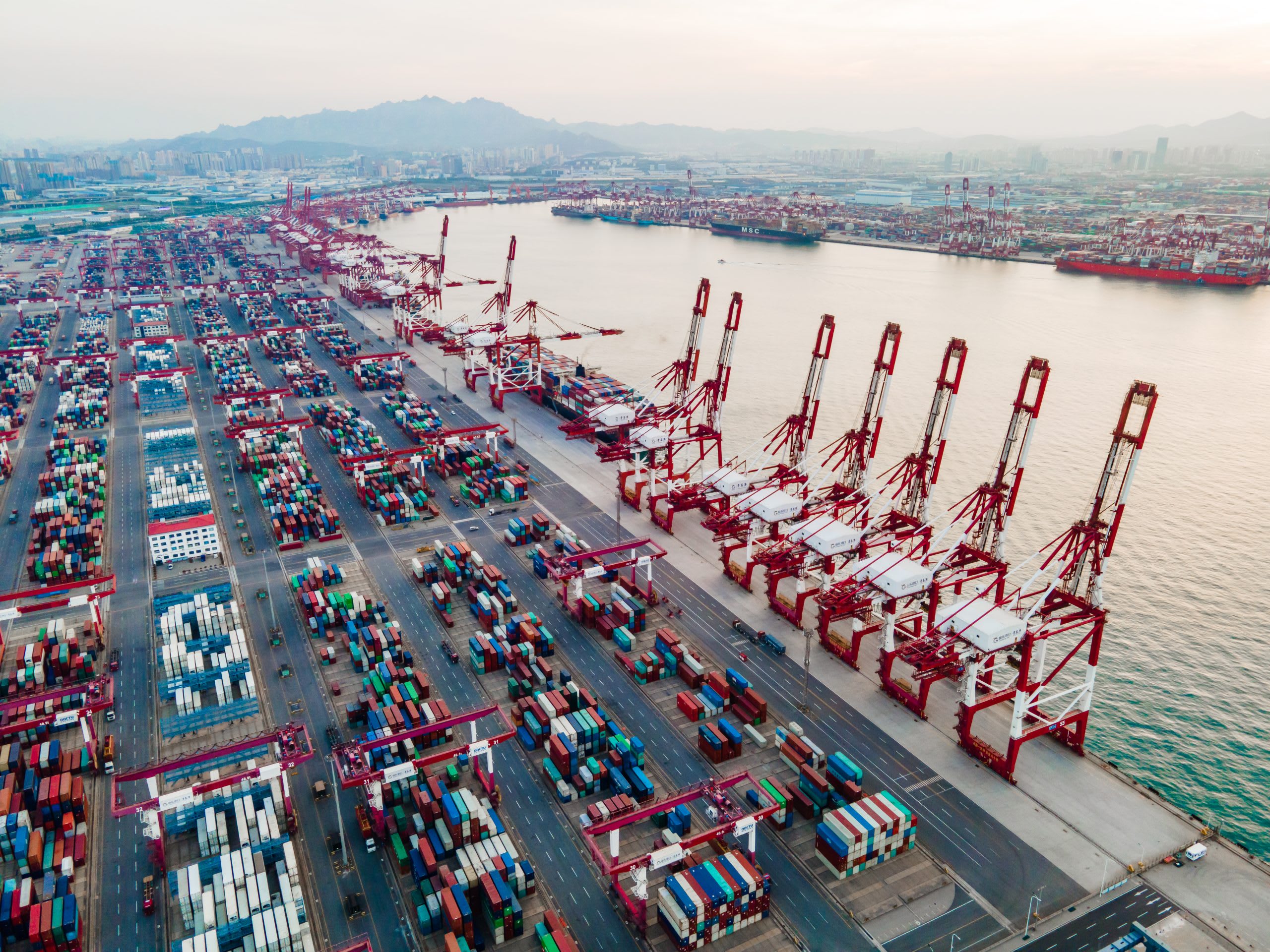
The platform, known as the National Transportation and Logistics Public Information Platform, was designed to centralize cargo data from customs authorities and ports. While Beijing framed it as a modernization effort, US officials viewed it as a potential dragnet for sensitive commercial and military shipping intelligence. This strategic friction intensified when US lawmakers and security experts began pressuring international partners to sever ties with the network, citing risks to global supply chain security.
The reversal of LOGINK’s fortunes became clear in Wenzhou, where its primary operations hub now sits abandoned, with offices stripped of equipment and lights left dark. International partnerships, including those with Japanese and South Korean agencies, have stalled or been abandoned without notice. Furthermore, the entity is currently facing dozens of domestic lawsuits in China, ranging from labor disputes to unpaid utility bills totaling over $1.3 million. Despite these setbacks, China's transport ministry recently issued documentation calling for the system to remain connected to domestic data streams, even as its global ambitions remain largely dormant.




Comments (0)
No comments yet. Be the first!