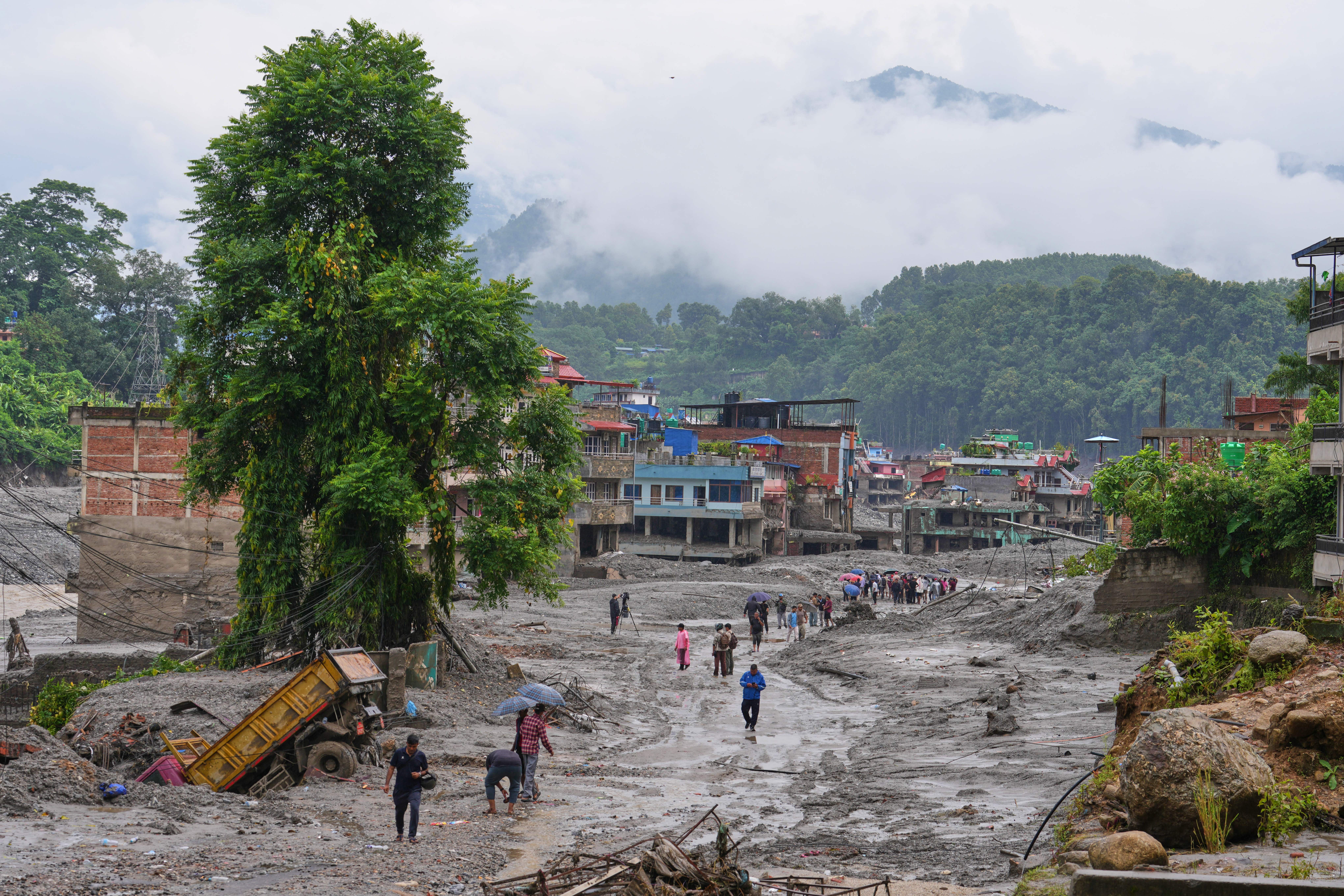
The flood shock has exposed deep vulnerabilities in Nepal’s economic architecture. Industry bears the heaviest burden, with damaged hydropower stations and electricity transmission lines directly constraining production capacity. Simultaneously, services—including tourism and finance—face significant hurdles as impaired transport corridors disrupt commercial flows and supply chains. While agricultural losses remain relatively modest in terms of national GDP, the impact on rural households is severe, revealing a dangerous disconnect between macroeconomic indicators and individual financial security.
Rebuilding efforts must now prioritize systemic resilience over rapid restoration. The World Bank advocates for updated multi-hazard risk assessments and the integration of redundant infrastructure to prevent future disasters from triggering similar widespread economic paralysis. This shift requires upfront investment in stronger designs and more secure locations, a difficult fiscal task given the country's limited resources. Beyond physical reconstruction, the government is urged to implement an integrated social protection system capable of delivering rapid assistance to vulnerable populations, ensuring that localized livelihood losses do not evolve into long-term poverty traps.
This recovery occurs as the broader South Asian region eyes a 6.9% growth rate, highlighting the specific fragility of Nepal’s infrastructure. To align with regional trajectories, the country must bridge the gap between immediate disaster relief and long-term modernization. Integrating digital tools and artificial intelligence into the rebuilt economy remains a critical goal, though as World Bank Chief Economist for Asia Franziska Ohnsorge notes, success depends on first resolving foundational constraints like workforce skills and regulatory uncertainty.




Comments (0)
No comments yet. Be the first!