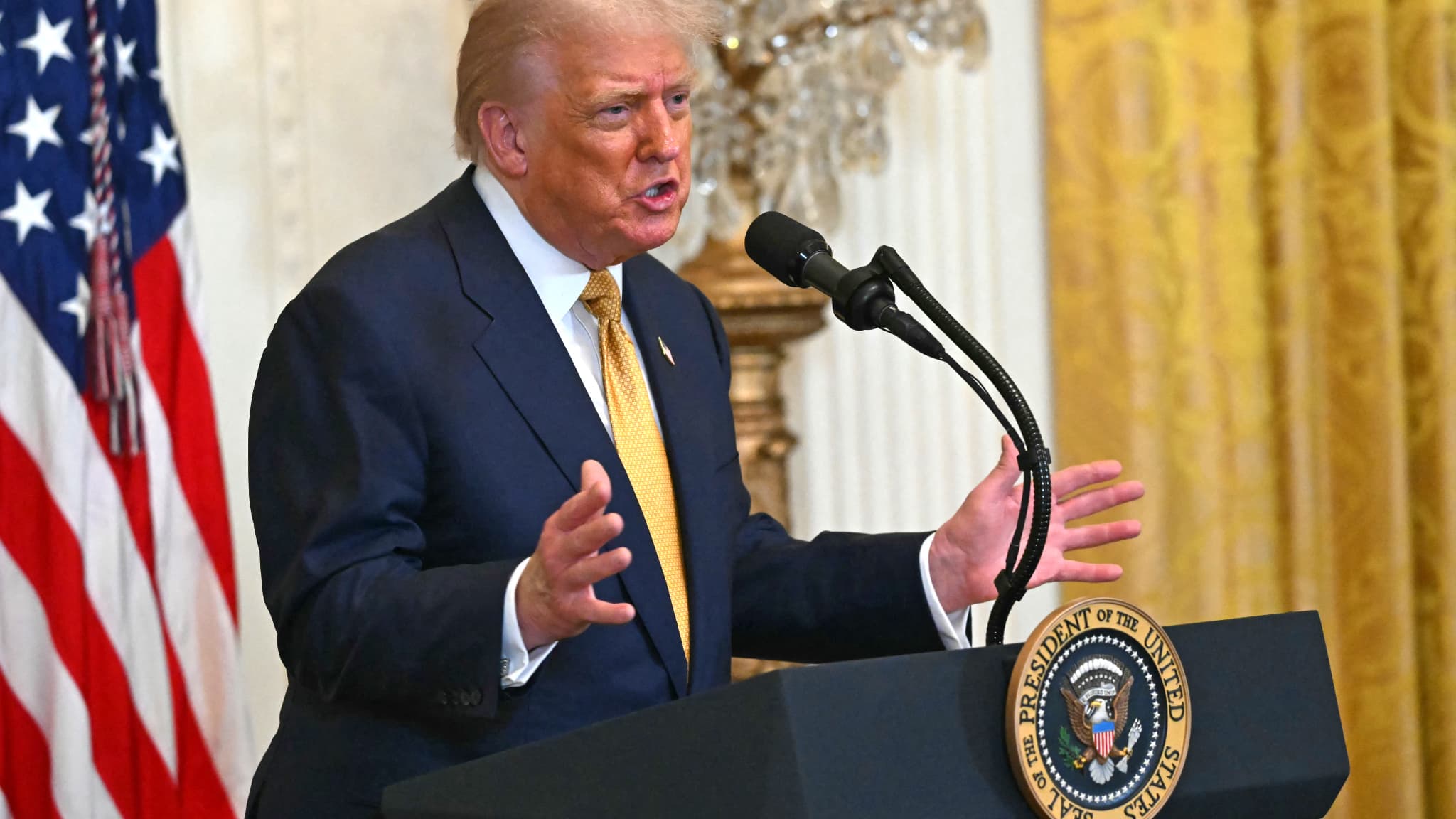
The death of Supreme Leader Ayatollah Ali Khamenei on the conflict's opening day, February 28, triggered a succession crisis that remains unresolved. His successor, Mojtaba Khamenei, has not appeared in public since sustaining injuries in the same strike that killed his father. Trump maintains that this absence of visible authority complicates the strategic landscape for U.S. policymakers.
Tehran rejects this assessment as a fabrication. Foreign Ministry spokesman Esmaeil Baghaei stated that Washington understands the Iranian decision-making process perfectly well, suggesting the confusion resides within the U.S. administration rather than Iran. Baghaei pointed to contradictory messaging from American officials as the primary obstacle to diplomatic clarity.
Beyond the geopolitical impasse, the war continues to exert domestic pressure on the United States. Rising fuel prices, a direct consequence of the regional instability, have become a focal point ahead of the November midterm elections. With control of Congress at stake and his approval ratings struggling, Trump faces mounting scrutiny over the administration's shifting objectives and the economic fallout of the protracted campaign against Iran and its allies in Lebanon.


Comments (0)
No comments yet. Be the first!