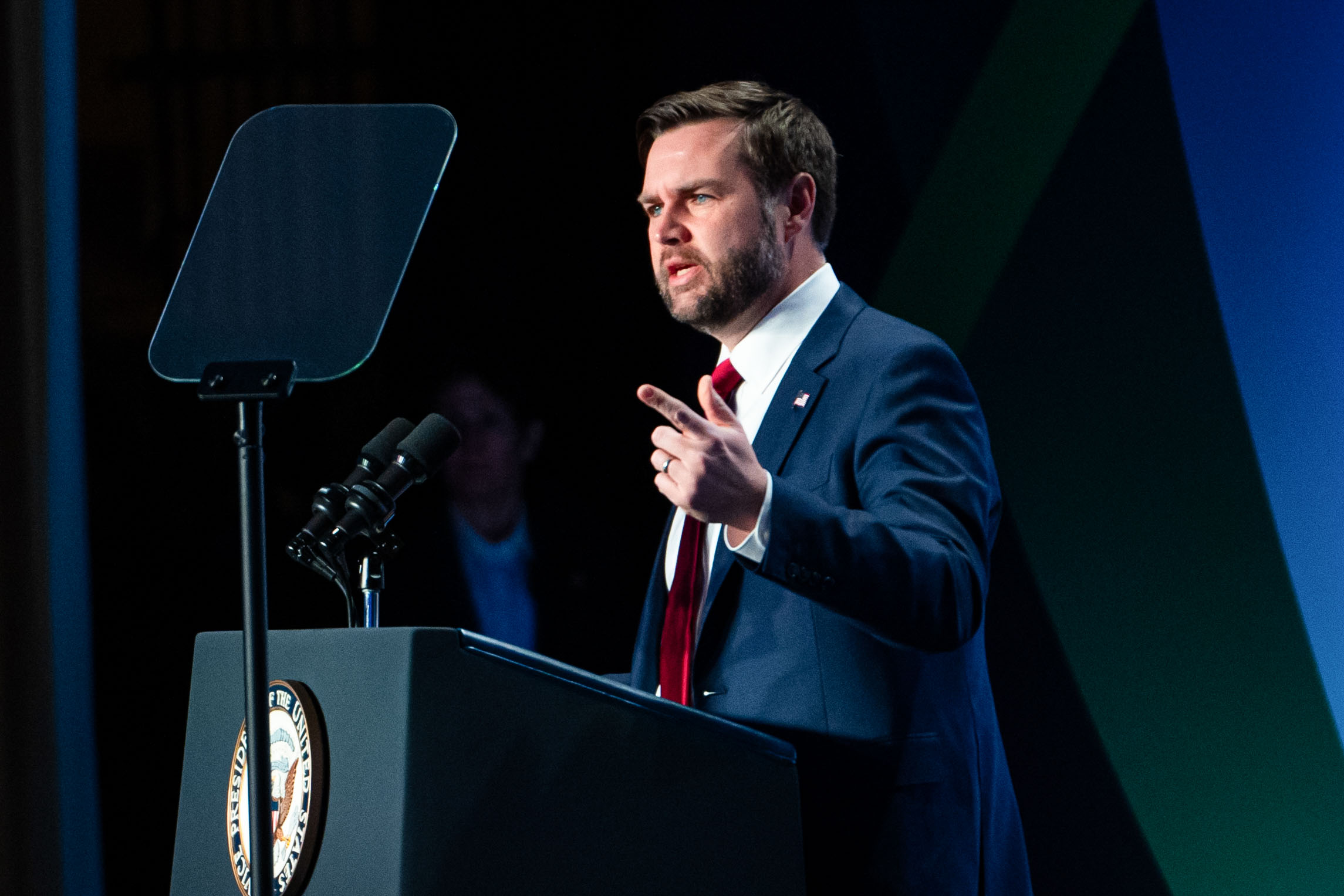
The diplomatic standoff persists as Washington struggles to identify the true decision-makers in Tehran. Following the death of Supreme Leader Ayatollah Ali Khamenei during the initial US-Israeli strikes, Vance noted that the extent of authority held by President Masoud Pezeshkian and Foreign Minister Abbas Araqchi remains opaque. While the White House continues to engage with these officials, the lack of clarity regarding Iran's internal power structure complicates efforts to finalize a deal.
Iran’s Foreign Ministry spokesperson, Esmaeil Baghaei, rejected these claims, arguing that the true obstacle lies in the contradictory messaging emanating from US officials. Meanwhile, the $3 billion monthly cost of the war is placing significant political pressure on President Donald Trump and Republican candidates ahead of the November midterms. With global energy markets disrupted, rising costs have become a central campaign issue, forcing Vance to defend the administration's strategy while campaigning in competitive states like Alaska. Despite the ongoing military friction in the Strait of Hormuz, Vance maintained that the US remains open to a settlement, provided Tehran moves beyond negotiations toward concrete, verifiable action.

Comments (0)
No comments yet. Be the first!