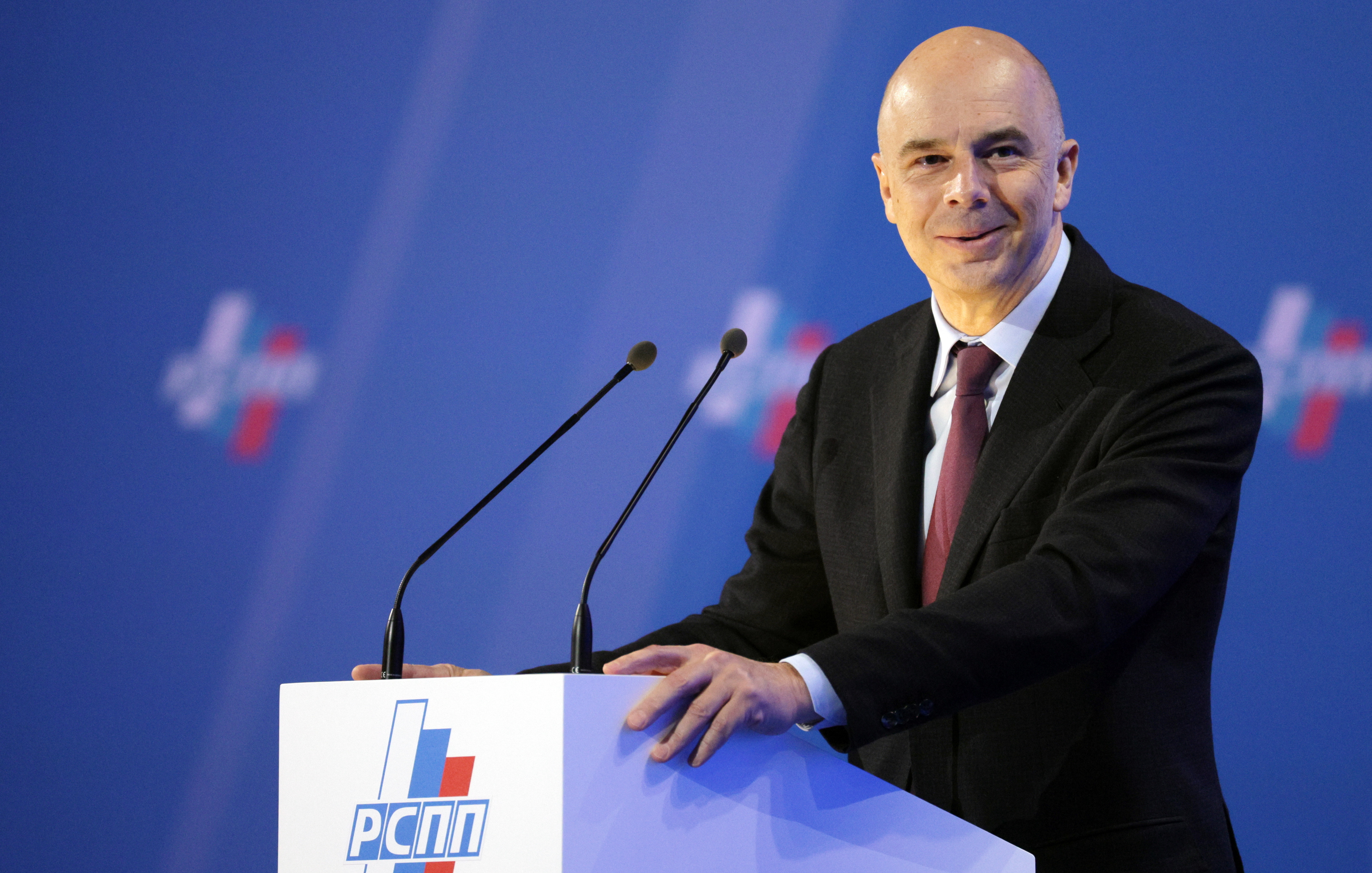
The diplomatic snub in North Carolina, which saw European ministers exclude Siluanov from the traditional group photograph, confirms the current geopolitical stalemate. Ten days before the summit, Deputy Foreign Minister Sergey Ryabkov claimed Moscow was open to new peace proposals, provided they reflected Russian territorial gains. This rhetoric, paired with Siluanov’s arrival, indicates that the Kremlin is testing the economic and political appetite of the West to finalize a frozen conflict.
On the front lines, the situation remains locked in a grinding asymmetry. Russian forces occupy approximately 80 percent of the Donetsk oblast, yet the critical urban chain of Kostiantynivka, Druzhkivka, Kramatorsk, and Sloviansk—the so-called fortress belt—remains under Ukrainian control. Despite President Vladimir Putin setting a deadline of 31 December 2026 to seize the remaining territory, progress has stalled. While a 2025 American framework once proposed recognizing Russian gains in Crimea and the Donbas to facilitate economic reintegration, that plan collapsed under pressure from Kyiv and European partners. President Volodymyr Zelensky has since countered with a proposal centered on a ceasefire and reciprocal withdrawals, a plan that has yet to receive an official response from the Kremlin.



Comments (0)
No comments yet. Be the first!