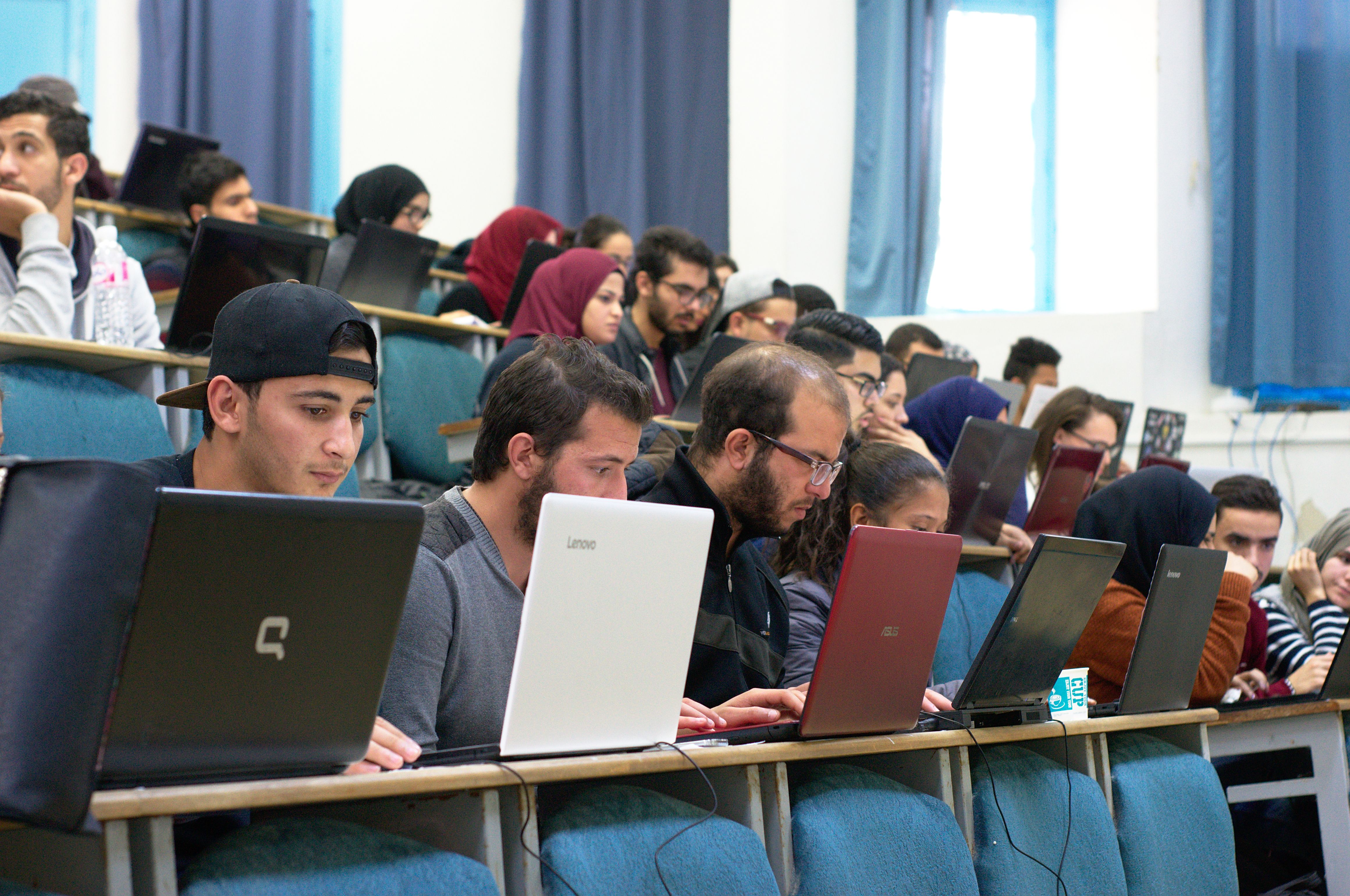
The Programme d'Appui à la Qualité served as the engine of this shift, awarding 460 competitive subgrants to 13 public universities. Instead of operating in isolation, institutions utilized these funds to integrate employer-designed certifications, digital transformation, and applied research into their daily operations. The impact on students was immediate: 92 percent reported high satisfaction with their new practical skills, with female participation and success rates particularly notable at 94 percent.
Concrete employment metrics highlight the success of these structural changes. In 2019, only 22 percent of students at beneficiary universities secured employment before finishing their degrees; by 2023, that figure climbed to 55 percent. Simultaneously, the cohort of graduates struggling for over six months to land a position plummeted from 29 percent to 3 percent. These gains were bolstered by the rise of autonomous university management, with the number of independent institutions growing from one to 16.
Building on this momentum, the World Bank has launched the STEEIR project to scale these outcomes. This next phase aims to deepen the integration of private-sector collaboration and climate-resilient innovation, ensuring that the country’s tertiary education system remains responsive to a rapidly evolving economic landscape.



Comments (0)
No comments yet. Be the first!