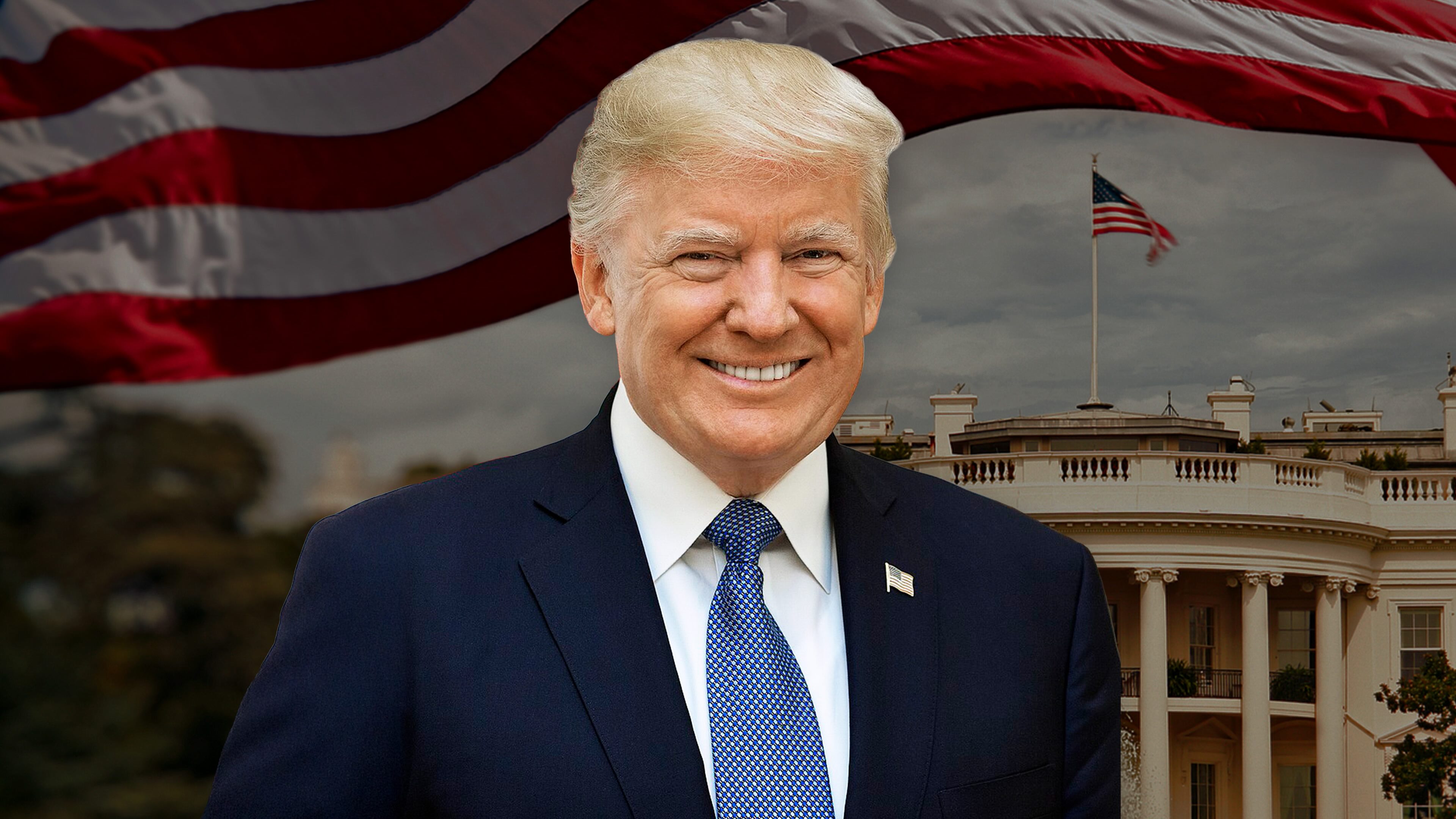
Five months into the standoff, the administration’s core objectives—reopening the Strait of Hormuz on American terms and securing a nuclear deal—remain unfulfilled. Instead of a battlefield triumph, the White House faces a reality where Iran uses the waterway as a negotiating lever, and the only meaningful diplomacy is conducted between Tehran and Muscat. Washington’s exclusion from these talks highlights a profound loss of influence, as Oman leverages its unique position as a neutral mediator to carve out a maritime protocol that potentially bypasses American demands.
The volatility of the administration’s messaging, including contradictory claims about back-channel talks, underscores a lack of strategic coherence that Tehran is clearly exploiting. By maintaining the status quo, Iran keeps oil prices high and American allies exposed, betting that patience will eventually force Washington to ease its blockade and sanctions. Trump’s rhetoric against Oman—a host to vital U.S. military infrastructure—is widely viewed by regional observers as a performative pressure tactic rather than a credible military warning. Facing impending midterm elections and failing to deliver the promised results of his Iran policy, Trump is channeling his political frustration toward a small sultanate. While the White House attempts to project strength, Oman’s response—publicly focusing on coffee imports and stock market updates—highlights the widening gap between the administration’s aggressive rhetoric and the quiet, pragmatic diplomacy currently shaping the region.



Comments (0)
No comments yet. Be the first!