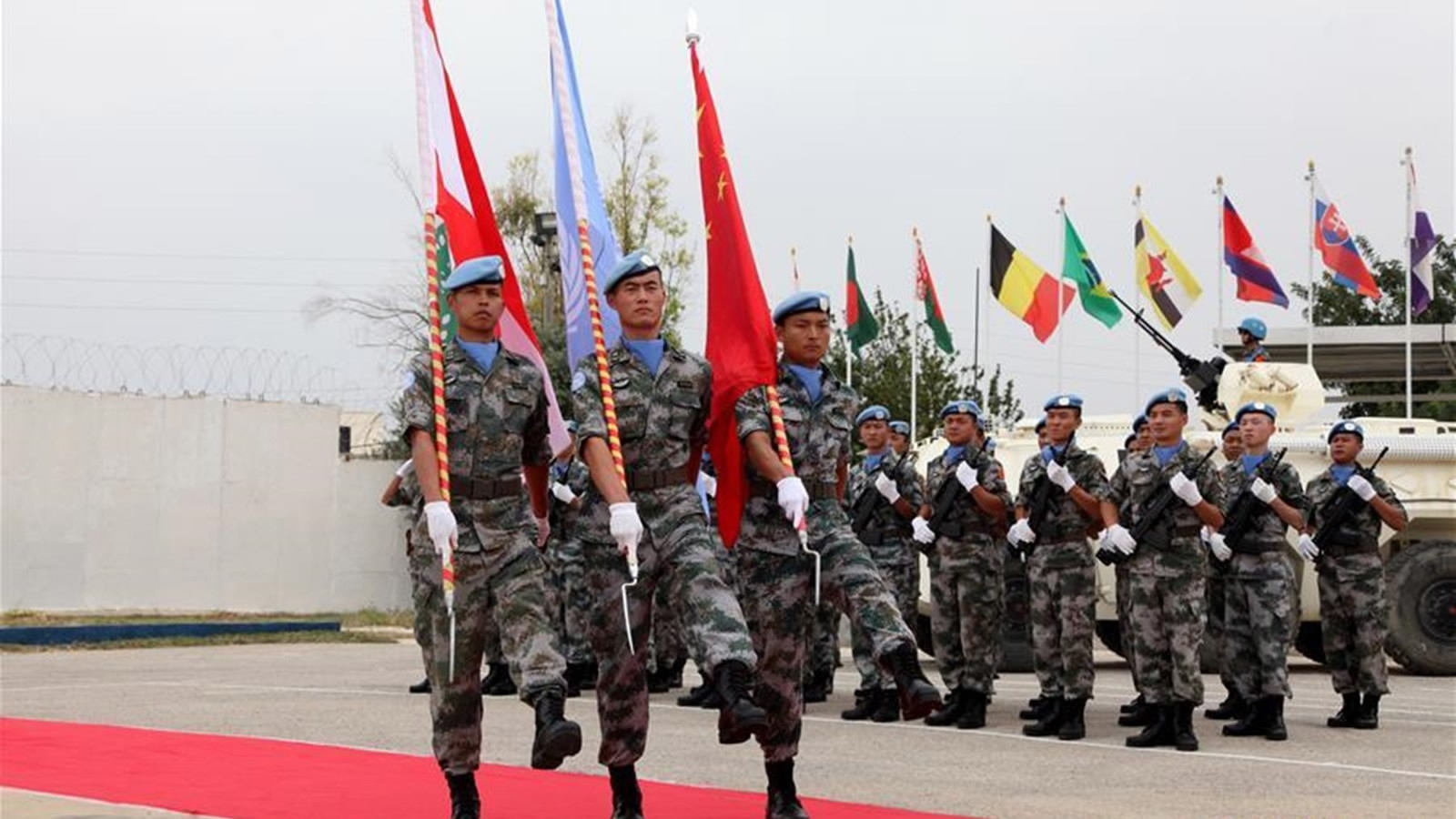
Officially, the Chinese battalion operates under UN Security Council Resolution 1701, tasked with mine clearance, infrastructure repair, and medical support for both mission personnel and local residents. Their work along the 'Blue Line' is governed by UN administrative regulations, ensuring that field operations—ranging from road construction to facility fortification—remain separate from any regional intelligence gathering. Despite this technical focus, the battalion occupies a strategic position in the eastern sector of southern Lebanon, where they contribute to joint patrols and observation tower duties coordinated by the UNIFIL General Command.
Beyond their engineering duties, these peacekeepers serve as a vital link in China’s broader Middle Eastern strategy. Beijing utilizes field reports from its personnel to analyze the impacts of Israeli military operations and the expansion of buffer zones, viewing these developments through the lens of countering American regional influence. While China avoids direct military involvement, it leverages this UN-sanctioned presence to project an image of a global mediator. President Xi Jinping’s administration continues to advocate for Lebanese sovereignty and a ceasefire, balancing this diplomatic stance with the protection of its military engineers against the fallout of ongoing clashes between Hezbollah and Israeli forces. This dual role—providing humanitarian aid while monitoring shifting power dynamics—reflects China’s commitment to maintaining a foothold in a region increasingly reshaped by conflict.


Comments (0)
No comments yet. Be the first!