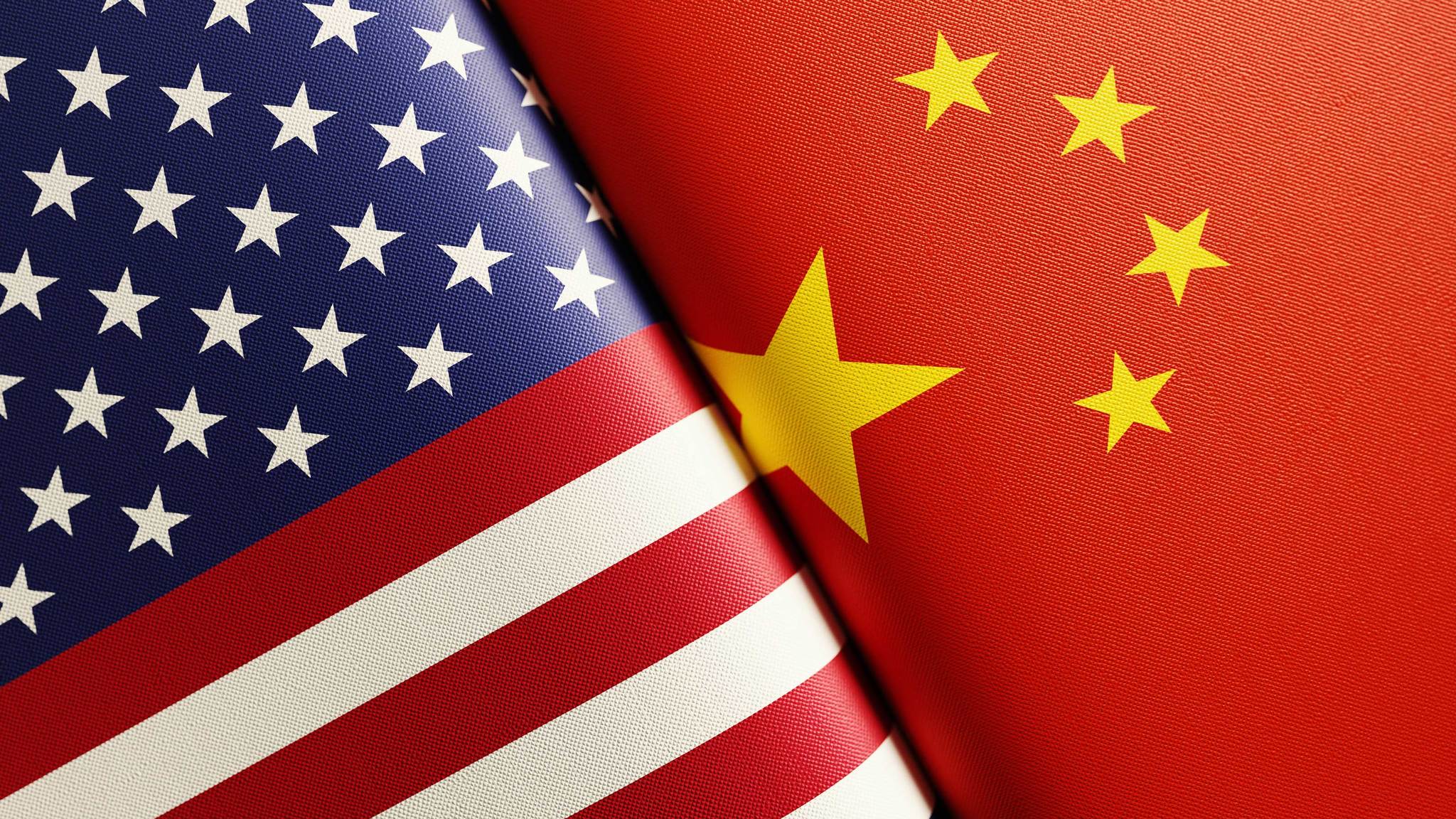
The current regional landscape—defined by the volatile interplay between Israeli security and Iranian influence—places the United States and China in a precarious, indirect collision. While Washington remains the primary security guarantor for its traditional allies, Beijing has increasingly leveraged its economic weight to bridge diplomatic divides, such as the Saudi-Iranian rapprochement. This dynamic leaves regional powers like Egypt and the Gulf states in an uncomfortable position, often forced to navigate conflicting pressures from their two most significant global partners.
A formal coordinator role would serve as an institutionalized hotline, tasked with managing red lines in sensitive theaters like the Strait of Hormuz and the Bab el-Mandeb. Beyond mere crisis management, such a position could harmonize competing development agendas, potentially linking China’s Belt and Road Initiative with Western infrastructure projects. Without a dedicated channel, the risk of miscalculation remains high, particularly as traditional diplomatic avenues often prove too slow to address rapid-onset military escalations.
While critics might argue that Washington would perceive this as an unwanted legitimization of Chinese influence, and Beijing might fear constraints on its own regional autonomy, the alternative is a growing regional instability that threatens global energy security. Whether established through the UN Security Council or as a confidential bilateral mechanism, a coordinator would offer a pragmatic path toward preventing a zero-sum conflict that neither power—nor the Middle East—can afford to win.

Comments (0)
No comments yet. Be the first!